





Re-rating Gross Vehicle Weight Ratings (GVWR): Why and How it's Done
Adapting to Economic Pressures in Fleet Truck Management
Discover expert insights from Navistar’s Steve Gilligan on navigating fleet truck ownership trends, including financing options, rising costs, advanced safety technologies, and spec’ing strategies to optimize performance and total cost of ownership.
October 3, 2024

The growing popularity of ADAS options, such as collision mitigation, lane departure warnings, and blind-spot detection, is evidence that fleet managers are emphasizing safety more.
unknown nodePhoto: Work Truck
unknown node4 min to read
The commercial truck industry is at a crossroads. Rising costs, shifting regulations, and emerging technologies are changing how fleet managers approach the vehicles they depend on.
Critical decisions about truck specifications, financing, and total cost of ownership (TCO) are at the center — decisions that will impact the long-term success of every fleet.
We spoke with Steve Gilligan, vice president of marketing operations and pricing at Navistar to clarify these complex challenges.
He offered insights on everything from inflation and rising interest rates to the benefits of advanced safety technologies and the importance of tailoring financing solutions to meet fleet needs.
Economic Pressures Reshape Fleet Purchasing Decisions
Fleet managers feel the squeeze from inflation, rising raw material costs, and higher interest rates. According to Gilligan, these economic pressures have driven up the cost of new medium- and heavy-duty Class 6-8 trucks and increased the overall cost of financing.
“Following the pandemic, pent-up demand and higher infrastructure spending have led to strong demand across key sectors such as construction, utility, and road maintenance,” Gilligan said. “But with higher borrowing costs and tighter credit availability, fleet managers are facing difficult decisions when it comes to spec’ing new trucks.”
The Role of Resale Value and Long-Term Durability
While resale value often takes a back seat in the fleet truck market, long-term durability remains a top priority. Most work trucks are built for an eight- to 10-year life cycle, so fleet managers must carefully weigh the cost-benefit analysis of various truck specifications to ensure their vehicles perform efficiently over time.
“Resale value isn’t as critical for many work truck segments,” Gilligan explained. “The focus is on keeping vehicles operating for as long as possible. This is where investing in advanced technologies, like Advanced Driver Assistance Systems (ADAS), can help reduce long-term costs and improve safety. It’s an upfront cost that pays off in the long run by mitigating the risks and expenses associated with accidents.”
Advanced Safety Technology Reduces TCO
The growing popularity of ADAS options, such as collision mitigation, lane departure warnings, and blind-spot detection, is evidence that fleet managers are emphasizing safety more—and for good reason.
These systems not only help reduce accidents but also lower insurance costs.
“The cost of implementing ADAS is far outweighed by the savings that come from avoiding accidents,” Gilligan noted. “Plus, some insurance companies are now offering discounts for trucks equipped with these systems, further reducing the total cost of ownership.”
Financing Solutions Tailored to Fleet Needs
Financing options are another critical factor in fleet purchasing decisions, and they have evolved to meet the diverse needs of modern fleets. With the relaunch of Navistar Financial Corporation in 2023, fleet managers can now access a wide range of flexible financing solutions tailored to their specific requirements.
"Navistar Financial offers customized leases, balloon financing, and other options that help fleets manage their cash flow and minimize monthly payments," Gilligan said. "For municipal fleets, we also provide tailored financing that takes into account the unique challenges faced by public entities, such as non-appropriation clauses."
Manufacturer Incentives: A Key Consideration in Truck Spec’ing
Regarding the overall cost-benefit analysis, manufacturer incentives play a significant role in fleet managers' decisions. These incentives, which can lower upfront acquisition costs, are particularly attractive when combined with comprehensive service and maintenance contracts.
"Fleets should take full advantage of available incentives, which can help offset the initial costs and improve the long-term ROI of their vehicles," Gilligan advised. "Working with local International dealers, fleet managers can ensure they’re getting the best deals on everything from powertrain components to service agreements while staying informed about upcoming regulations."
TCO Trends: Fuel Economy, Powertrain Reliability, and Route Optimization
As manufacturers continue to push for greater fuel economy and Powertrain reliability to meet stringent GHG regulations, fleet managers are learning valuable lessons about fleet utilization and route optimization—especially as they prepare for the widespread adoption of zero-emission vehicles.
“Increasingly, we’re seeing fleet managers focus on optimizing vehicle usage and routes as they navigate the transition to zero-emissions vehicles,” Gilligan said. “These factors are driving up TCO but also helping fleets operate more efficiently and sustainably.”
Striking the Right Balance in Truck Specifications
Ultimately, fleet managers must strike a careful balance between cost-efficiency and long-term performance when spec’ing their trucks. By working closely with dealers and application engineers, they can configure vehicles that are perfectly suited to their specific applications, ensuring that their trucks deliver maximum efficiency and reliability.
"A poorly spec’ed truck can end up costing more in the long run due to higher fuel consumption, maintenance costs, and reduced ride quality," Gilligan warned. "That’s why it’s crucial for fleet managers to work with their local International dealer to spec trucks that are optimized for their operations, whether that means incorporating the latest ADAS features or customizing Powertrain configurations."
Subscribe to Our Newsletter
More Vehicle Research
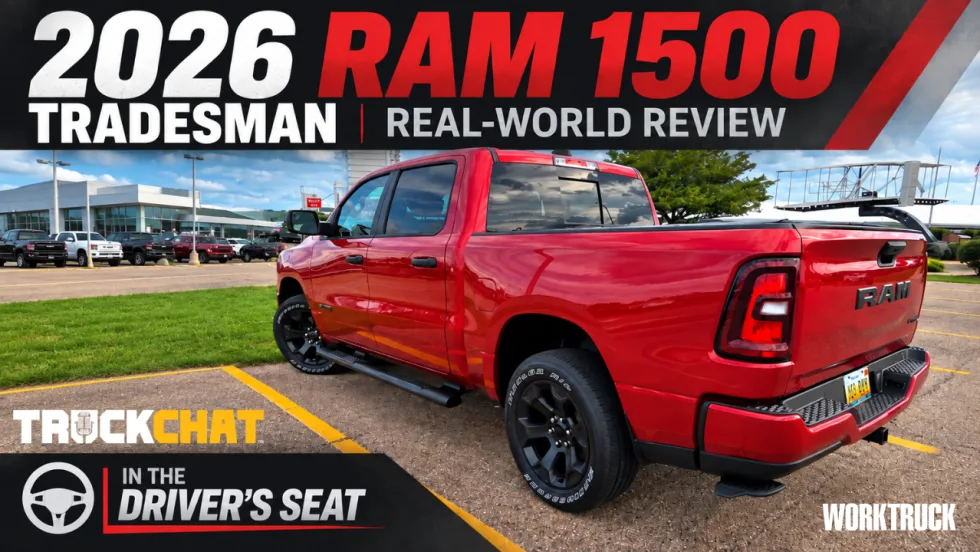
2026 Ram 1500 Tradesman Put to a Real-World Fleet Test
A few days behind the wheel of a 2026 Ram 1500 Tradesman turned into a test of visibility, parking, work-ready features, and even severe-weather driving.
Read More →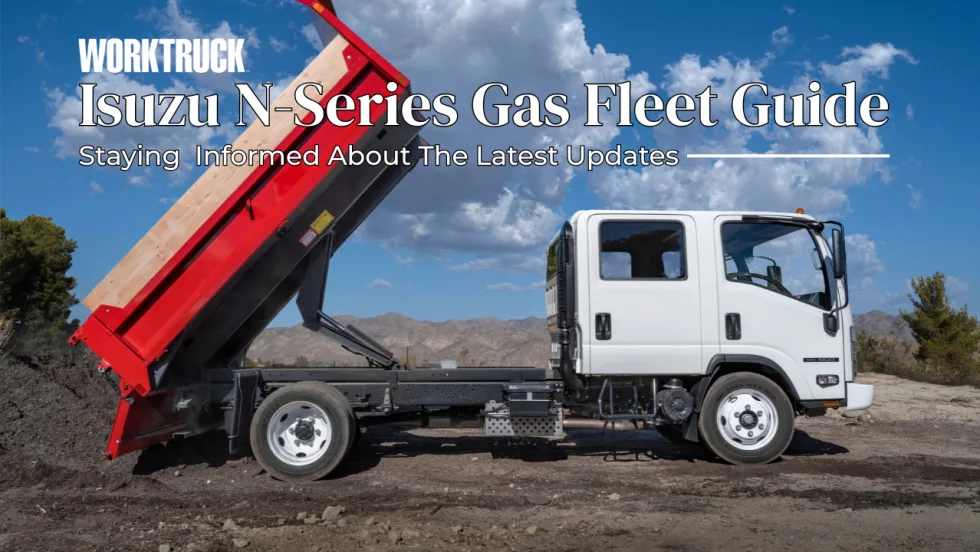
Isuzu N-Series Gas Fleet Guide: Specs, Capability and 2027 Model-Year Updates
Explore Isuzu Truck North America’s N-Series Gas fleet specs, engine performance, GVWR and payload capability, configurations, chassis dimensions, work-focused features, and 2027 model-year information.
Read More →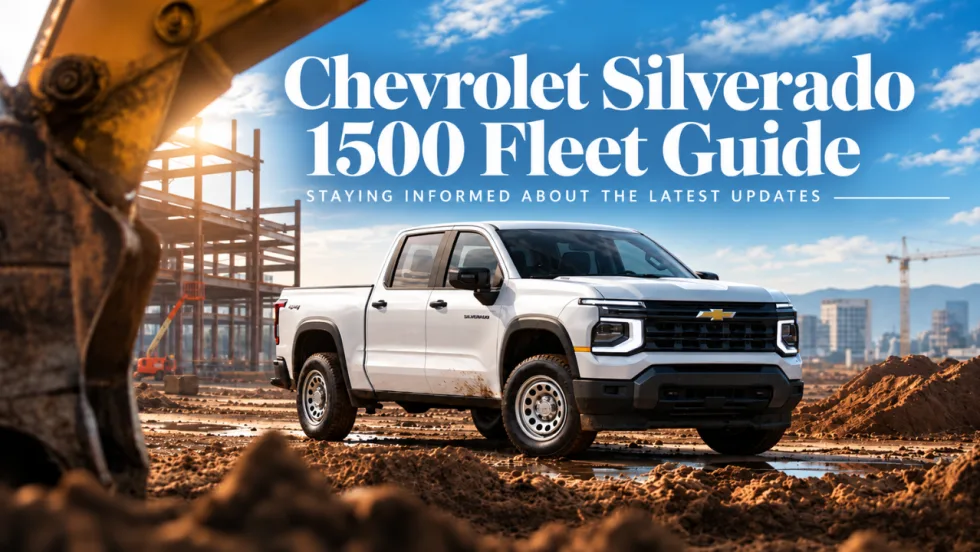
Chevrolet Silverado 1500 Fleet Guide Specs Capability and 2027 Model-Year Updates
The next-generation 2027 Chevrolet Silverado 1500 brings new V-8 engines, updated technology, expanded safety features, and a fleet-focused Work Truck. Here’s what commercial fleets need to know so far.
Read More →
Ram ProMaster City Fleet Guide Specs Cargo Capacity and 2027 Updates
Work Truck’s Ram ProMaster City Fleet Guide tracks the latest specifications, cargo capability, configurations, fleet technology, pricing, and model-year updates for Ram’s mid-size commercial van.
Read More →
Ford F-150 Fleet Guide Specs Capability and 2026 Model-Year Updates
Explore 2026 Ford F-150 fleet specs, engines, towing and payload capability, configurations, work features, technology, and model-year updates.
Read More →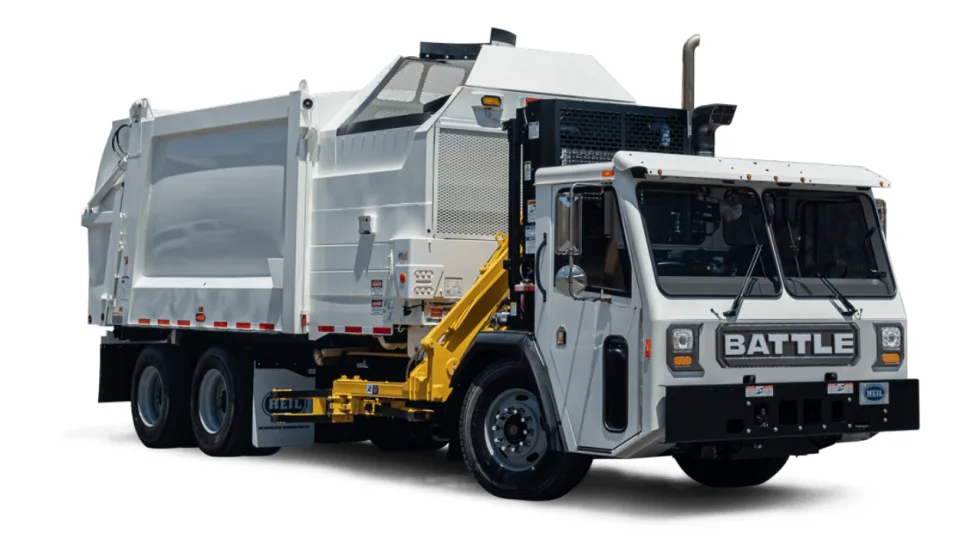
TCI Now Sells & Supports Battle Motors’ Vocational Trucks
Midwest truck dealer Truck Centers, Inc. (TCI) has expanded its transportation solutions with sales and service support for Battle Motors’ heavy-duty vocational trucks at locations in locations in Indiana, Illinois, and Missouri
Read More →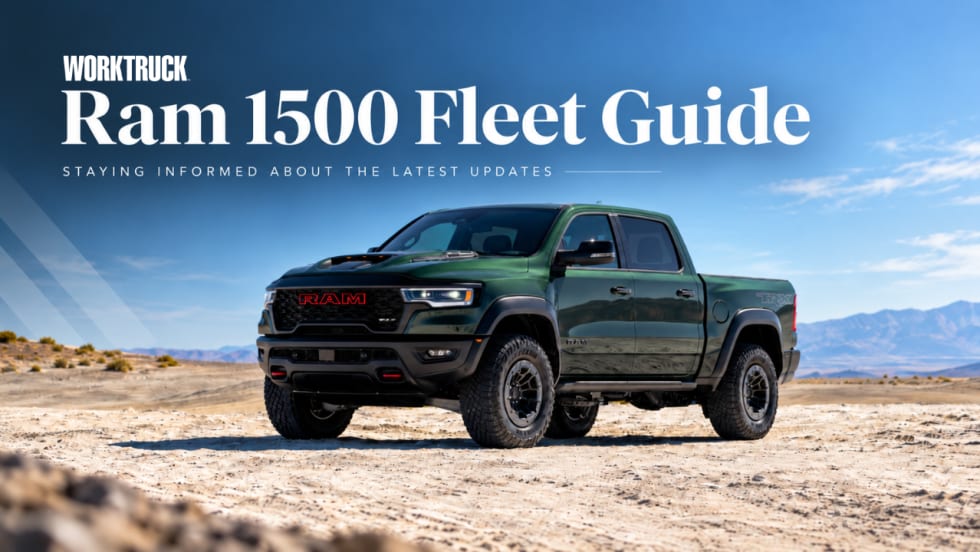
Ram 1500 Fleet Guide Specs, Capability and 2027 Model-Year Updates
Explore always up-to-date Ram 1500 fleet specs, engines, towing and payload capability, configurations, technology, pricing updates, and model-year changes.
Read More →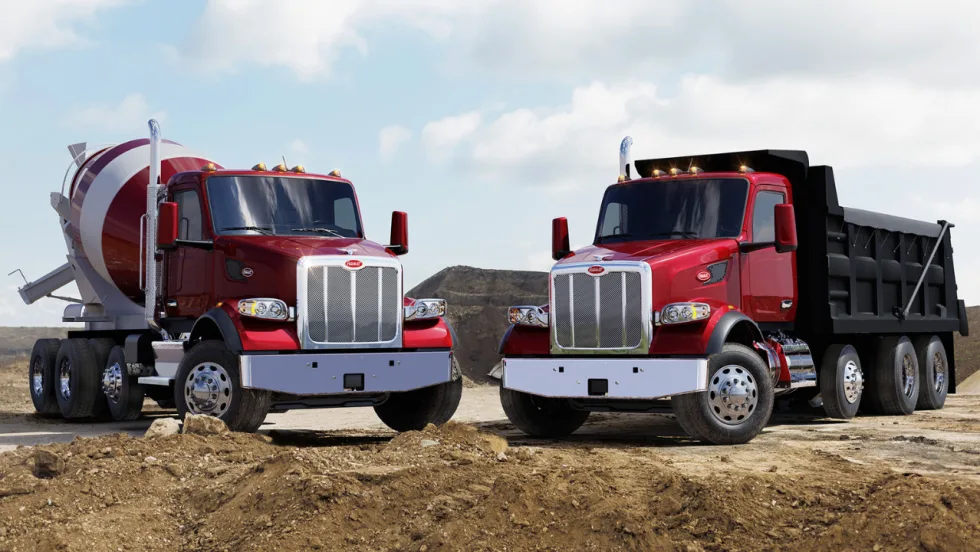
Peterbilt Trucks Equipped with Paccar TX-18 Pro Boost Efficiency for Maryland Fleet
Patuxent Companies is replacing aging trucks with the Peterbilt Model 567 and Model 589, specified with the Paccar TX-18 Pro 18-speed automated transmissions, and is reporting an 8% to 10% improvement in fuel economy.
Read More →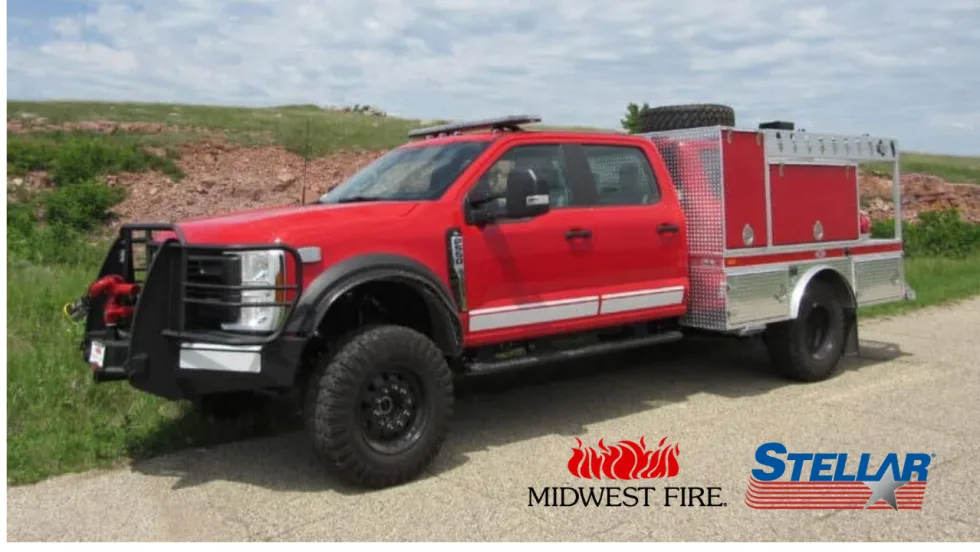
Stellar Expands into Fire Apparatus Market with Acquisition of Midwest Fire
Stellar Industries has acquired Midwest Fire, a custom fire apparatus manufacturer headquartered in Luverne, Minnesota, with nearly four decades of specialized apparatus experience.
Read More →
Recalls You Need to Know About in August 2026
If you have Altec, Chrysler, Ford, Heil, General Motors, International, Mack Trucks, Paccar, Rivian, Royal Truck, Toyota, US Truck Body, or Volvo Trucks vehicles in your fleet, you should check these important recalls issued by the National Highway Safety Administration.
Read More →