




AI in Fleet: Leveraging the Benefits and Understanding the Limitations
7 Ways AI is Transforming Vehicle Inspections
Discover how AI is transforming vehicle inspections, boosting efficiency, reducing costs, and ensuring high-quality assessments at scale.
by Jameel Ghata, PAVE
January 21, 2025
AI-powered vehicle inspections are fast, efficient, and always within reach. Drive smarter decisions with advanced technology right from your phone.
Photo: PAVE
3 min to read
The automotive industry, generating over $4 trillion in revenue in 2024, is significantly transforming. At the heart of this shift is AI, which is helping to transform processes that have historically been labor-intensive and prone to error.
This AI-enabled evolution extends beyond mere efficiency; it’s about setting new standards, ensuring quality, and combining human expertise with machine precision. With rapidly occurring change, we thought it was important to highlight key areas within the automotive industry where artificial intelligence (AI) technology has had a significant impact. One such area is the vehicle inspection.
Below are seven ways AI is transforming vehicle inspections today:
1. Reducing Costs and Improving Efficiency
The days of costly and inefficient vehicle inspections are coming to an end. AI-powered platforms transform the process by inspecting and appraising vehicles in real-time. These platforms enable seamless integration across various systems, ensuring smooth and efficient data flow.
When these platforms automate key steps, automotive businesses, from retail to fleet management, can perform inspections more frequently, at lower costs, and with less resource strain.
2. Ensuring Consistent and High-Quality Inspections at Scale
Scaling operations without sacrificing quality has always been challenging, and consistency and quality are critical in vehicle inspections. AI technology can ensure every inspection meets high standards. Frequent inspections that historically would have been too time-consuming or costly are now feasible, enhancing vehicle safety and maintenance.
3. Integrating Human Expertise and AI Innovation
AI doesn’t replace human expertise; it enhances it. While AI excels in speed and data processing capabilities, human oversight guarantees contextual understanding and nuanced decision-making. Together, they tackle complex inspection challenges with reliability and precision, delivering a process that leverages cutting-edge technology and human insight.
4. Leveraging Multi-Modal AI Capabilities
AI innovations are reshaping vehicle inspections. When a system analyzes images, text, and other data types, it provides a comprehensive set of tools for detailed assessments. This approach ensures inspections are thorough and adaptable to both local and international standards, making the process more flexible and capable of meeting a variety of needs across different regions and industries.
5. Protecting Data Privacy and Integrity
In an age where data privacy is at the top of mind, AI solutions in vehicle inspections prioritize protecting sensitive information. Systems are designed with robust security measures to safeguard data integrity and prevent fraud, ensuring the vehicle inspection process remains transparent and trustworthy. This commitment to data security fosters greater confidence among users and clients.
6. Setting New Industry Standards with Continual AI Advancements
AI’s role in vehicle inspections doesn’t stop at current capabilities. Companies like PAVE drive this progress by staying committed to innovation through rigorous research and development. This dedication ensures that AI technology continues to set new industry standards, constantly refining and redefining what’s possible in vehicle assessments.
7. Enhancing User Experience and Customer Satisfaction
Ultimately, the integration of AI in vehicle inspections enhances the overall user experience. The efficiency and accuracy provided by AI result in flexible, faster inspections, leading to higher levels of customer satisfaction. These advancements build trust, ensuring AI becomes a valued part of modern vehicle inspections.
AI is reshaping the future of vehicle inspections, making them faster, more consistent, and more secure.
“I see AI as a horizontal technology that can improve all aspects of the automotive industry,” stated Steve Southin, PAVE co-CEO and founder. “It is important that we all view AI not as a replacement for human expertise but as a tool to improve our existing operations while also asking critical questions of our suppliers and technology vendors that will ensure that they are keeping pace and creating value through the implementation of smarter software. AI goes beyond traditional operational cost reduction, and in the not-too-distant future, we will see transformational business model changes supported by advanced AI-enabled software.”
As these innovations continue to develop, businesses and consumers stand to benefit from more reliable vehicles and safer roads. The automotive industry stands at the forefront of this exciting transformation — embracing AI ensures an efficient, smarter, and safer future.
Subscribe to Our Newsletter
More Vehicle Insights
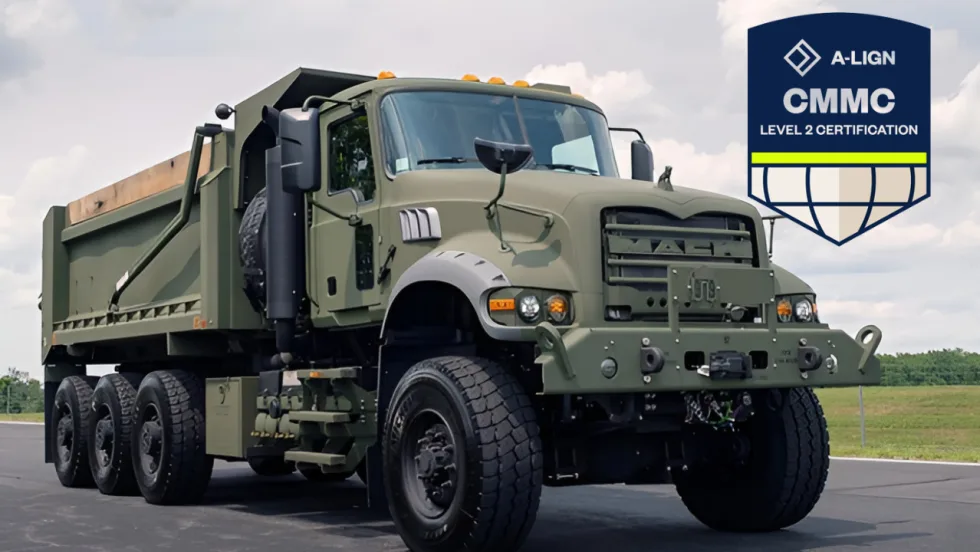
Mack Defense Achieves Cybersecurity Maturity Model Certification Level 2
After an assessment conducted by an authorized Certified Third-Party Assessment Organization (C3PAO), Mack Defense has achieved Cybersecurity Maturity Model Certification (CMMC) Level 2.
Read More →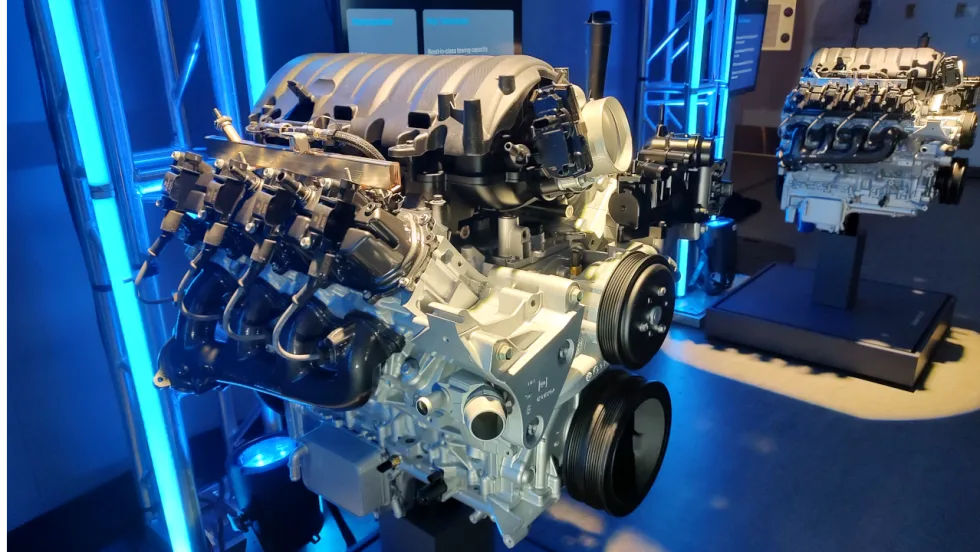
GM Unveils New Sixth-Generation Small Block Engines for 2027 Light-Duty Pickups
General Motors unveiled two new small-block engines, backed by extensive real-world validation and more than 70 years of small-block V8 manufacturing experience, as part of the engine portfolio for the 2027 Chevrolet Silverado 1500 and GMC Sierra 1500.
Read More →
Chevrolet Silverado 1500 Fleet Guide Specs Capability and 2027 Model-Year Updates
The next-generation 2027 Chevrolet Silverado 1500 brings new V-8 engines, updated technology, expanded safety features, and a fleet-focused Work Truck. Here’s what commercial fleets need to know so far.
Read More →
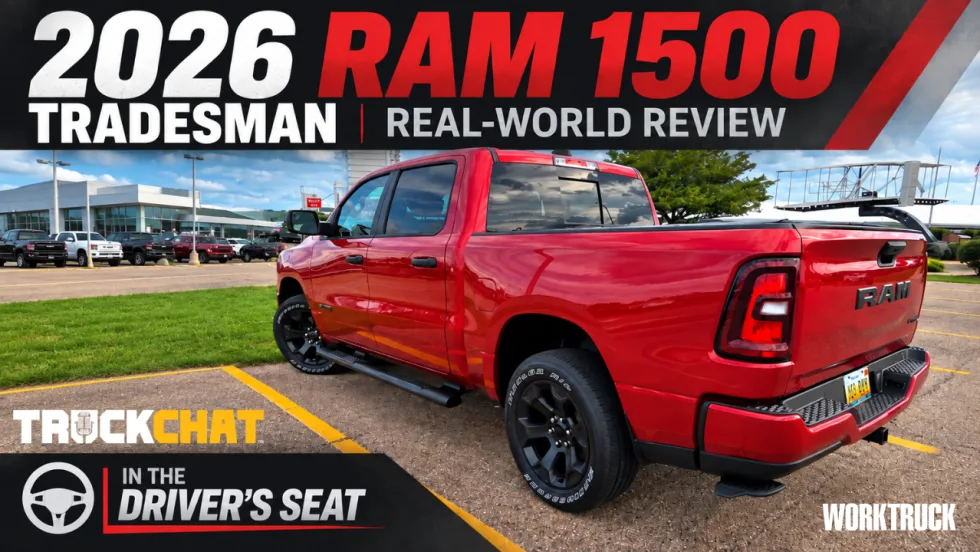
2026 Ram 1500 Tradesman Put to a Real-World Fleet Test
A few days behind the wheel of a 2026 Ram 1500 Tradesman turned into a test of visibility, parking, work-ready features, and even severe-weather driving.
Read More →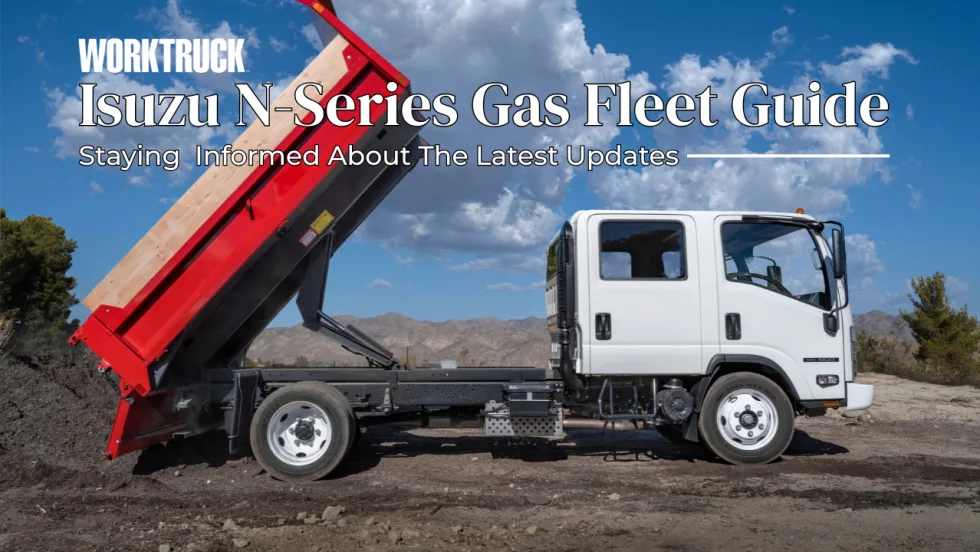
Isuzu N-Series Gas Fleet Guide: Specs, Capability and 2027 Model-Year Updates
Explore Isuzu Truck North America’s N-Series Gas fleet specs, engine performance, GVWR and payload capability, configurations, chassis dimensions, work-focused features, and 2027 model-year information.
Read More →
Ram ProMaster City Fleet Guide Specs Cargo Capacity and 2027 Updates
Work Truck’s Ram ProMaster City Fleet Guide tracks the latest specifications, cargo capability, configurations, fleet technology, pricing, and model-year updates for Ram’s mid-size commercial van.
Read More →
Ford F-150 Fleet Guide Specs Capability and 2026 Model-Year Updates
Explore 2026 Ford F-150 fleet specs, engines, towing and payload capability, configurations, work features, technology, and model-year updates.
Read More →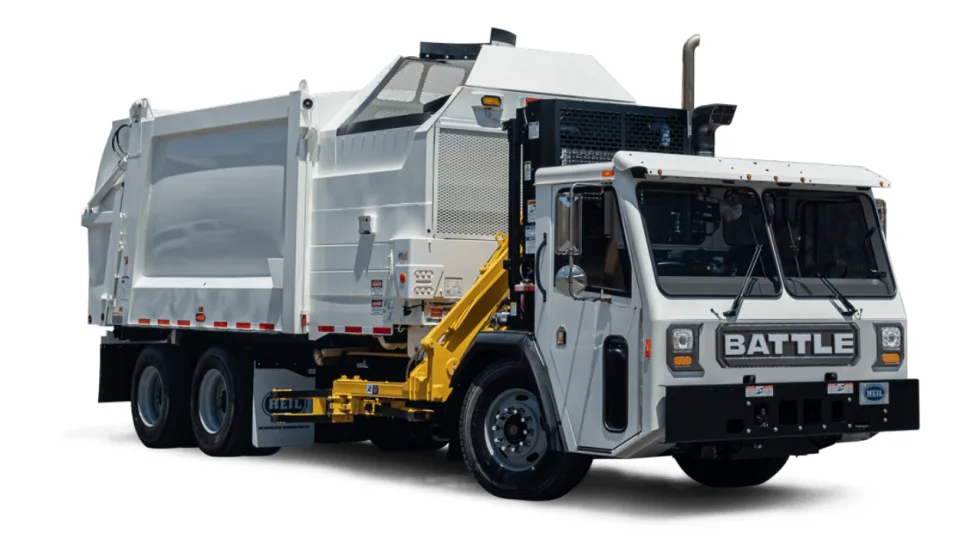
TCI Now Sells & Supports Battle Motors’ Vocational Trucks
Midwest truck dealer Truck Centers, Inc. (TCI) has expanded its transportation solutions with sales and service support for Battle Motors’ heavy-duty vocational trucks at locations in locations in Indiana, Illinois, and Missouri
Read More →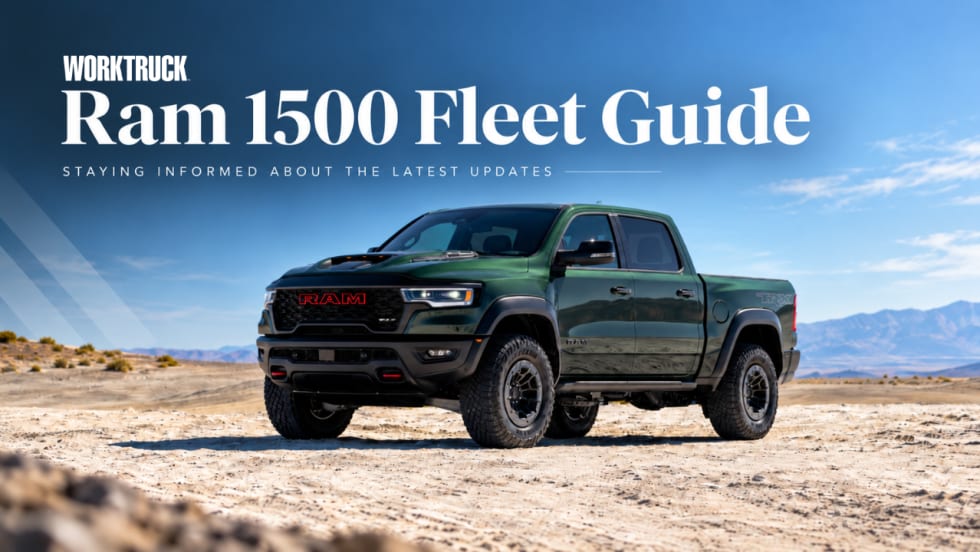
Ram 1500 Fleet Guide Specs, Capability and 2027 Model-Year Updates
Explore always up-to-date Ram 1500 fleet specs, engines, towing and payload capability, configurations, technology, pricing updates, and model-year changes.
Read More →
Peterbilt Trucks Equipped with Paccar TX-18 Pro Boost Efficiency for Maryland Fleet
Patuxent Companies is replacing aging trucks with the Peterbilt Model 567 and Model 589, specified with the Paccar TX-18 Pro 18-speed automated transmissions, and is reporting an 8% to 10% improvement in fuel economy.
Read More →