




7 Questions: Are Extended Warranties Right for Your Trucks?
An extended warranty has benefits, but it may not be ideal for every vehicle in a fleet operation. Consider these seven questions before purchasing an extended warranty.


When determining whether an extended warranty is right for your fleet, there's no one-size-fits-all answer. Use these seven questions as a guide through the process to decide what best fits your fleet operation.
Does it pay to get extended warranties (also known as vehicle service contracts) on new-truck purchases? Sometimes yes; sometimes no. The answer is not the same for every fleet or even every vehicle in a specific fleet. To determine when extended warranties make sense for you, consider the following seven questions.
1. Do you plan to keep the vehicle beyond the initial factory warranty?
How many miles per year do you plan to run this vehicle? How long will you keep it? If the miles and timeframe you intend for the vehicle fit within the parameters of the original warranty, an extended warranty is unnecessary. However, if you expect the miles and term to exceed the original warranty, determine by how much. This will help assess the risk and potential cost of a catastrophic repair occurring during the post-warranty period, as you determine whether extended warranty coverage would be worth the investment.
2. How will the vehicle be used?
Three main factors impact component life.
Duty cycle. Will the vehicle be driven in stop-and-go traffic or primarily over-the-road?
Terrain. Will the vehicle be operated on hilly or flat terrain?
Climate. Will the truck run in extreme cold or heat weather conditions?
Based on these three factors, analyze the lifecycle and maintenance data for the vehicle and the components you're looking to cover.
"It's critically important to gather this data when evaluating whether or not you should purchase an extended warranty," advises Rob Kooken, regional fleet services manager with PHH Arval, a provider of outsourced commercial fleet management services in the United States and Canada. "Get this data from your own maintenance records or ask your fleet management company for relevant bench-marking data."
This information will help determine the likelihood of necessary repair within the extended warranty period and whether the estimated repair costs would be worth the up-front investment.
3. What, exactly, is the coverage?
Look at miles, term (time period), and components covered. Is only the driveline covered? What about electronic components? What about A/C? Are these items covered? Identify the coverage to accurately estimate the warranty's cost/benefit.
Even when considering a simple powertrain warranty, clarify exact details of items covered so there are no unpleasant surprises down the road.
As an example, here's the breakdown of the specific components Isuzu covers with its powertrain extended warranty on the NPR cab-over chassis:
Engine coverage: cylinder block, head, all internal parts, flywheel, and intake manifold.
Transmission coverage: transmission case and all internal parts.
Drive axle coverage: differential, axle shafts, seals, and bearings.
Notice also what this warranty does not cover. If the A/C compressor malfunctions or electronic window regulators fail, you'll expect to pay the full amount of the repair or purchase a plan that includes coverage for those components.
As with original factory warranties, extended warranties are designed to cover manufacturer defects only. "Wear-and-tear" items, such as brake pads and rotors, brake shoes and drums, and manual clutches, are usually not covered.
Some extended warranties may also include:
Roadside assistance. Provides a 24-hour toll-free number to call when the vehicle breaks down or in case of an emergency, rapid response services, including towing, battery assistance, flat-tire assistance, emergency lock-out, or fuel delivery.
Rental car benefit. Amount reimbursed for actual expenses incurred for rental car while vehicle is repaired.
Transferability. If the vehicle is sold before the coverage has expired, is the plan transferable to the new owner? If so, what are the stipulations?
Decide whether these additional services add enough value to your fleet operations to justify the additional cost.
4. What is the deductible?
The out-of-pocket expense at the time of repair, deductibles range from $0 to $100 to $500 and more, depending on the plan. The higher the deductible, the lower the up-front warranty cost and vice versa.
A key question to consider is: Will multiple deductibles be charged when more than one repair is required in a single visit? If so, beware. Accruing deductibles on a single visit could negate any cost benefit of an extended warranty.
5. Which is better: OEM or third-party extended warranty?
"Normally, the OEM warranties are much easier to deal with because you're usually getting new factory parts. Sometimes a third party may take the option to cover a rebuilt part, instead of a new part," says Kooken.
If you choose a third-party warranty, find out what parts are used for repairs. Are you comfortable with aftermarket or rebuilt parts being used by the third party? Will parts used in the repair be backed by warranty?
With most OEM warranties, the dealer charges only the deductible and bills the manufacturer for the balance. Some third-party warranties also operate this way; others, however, require the full amount billed up-front and reimbursed when the claim is approved by the company. Whether an OEM or third party is selected, be aware of the claims process up-front so no unexpected surprises requiring out-of-pocket expenses occur, which often take at least several weeks or even months to get reimbursed.
A potential downside to an OEM extended warranty is the inconvenience when not using the dealer for non-warranty maintenance and repairs, cautions Ken Costello, assistant manager, truck and equipment maintenance, with Automotive Resources International (ARI), a global provider of fleet leasing and management.
"There may be an additional cost of using a dealer that charges a higher labor rate for brakes and oil changes than perhaps an independent or national account provider, such as Firestone or Goodyear. You may pay more for some services trying to make sure you take full advantage of the warranty," says Costello.
Other factors that impact the value of an OEM warranty:
Location to nearest dealer. A vehicle that must be driven 25 miles or more to the nearest dealer for warranty work could detract from the value of warranty because of the additional time the truck is taken out of service for repair. This downtime leads to lost revenue, critically important when evaluating all costs involved with the warranty.
Dealer workload. What options are available if the authorized dealer is so busy, it will take another week before your truck can be serviced? What provisions in the warranty help with this situation? Will it be possible to use an independent shop to perform a covered repair, if the shop gets prior approval from the OEM?
An implied advantage to an OEM warranty is the manufacturer, not a fly-by-night company, backs the warranty. With third-party warranties, the risk of the provider going out of business is much higher.
"When you go outside the manufacturer to third-party warranty providers, you need to make sure it is a reputable company, where you're confident that when it comes to file a claim, you're going to be reimbursed," says Kooken.
To determine whether the company is reputable, Kooken recommends asking the plan provider for references.
"Ask what clients they've used. How has their claim experience been?" he advises.
6. What is the cancellation policy?
A warranty should be cancellable with a refund issued for the pro-rated unused portion of the policy. This is important if the vehicle should be sold before the warranty expires or if the truck is deemed a total loss in an accident. Will a pro-rated refund be available, no questions asked, if you choose to cancel the warranty? Find this out up-front.
7. How many vehicles are covered with an extended warranty?
Costello says the tipping point on whether an extended warranty is worth the cost is based on the fleet size. If covering 100 or more trucks, factor into the decision the total cost of all warranties combined and whether projected repairs would exceed the fleet-wide warranty.
"The larger number of vehicles involved, the more it's going to pay for the fleet to bankroll the risk [of repairs] themselves, instead of purchasing extended warranty coverage," advises Costello.
The Bottom Line
When determining whether an extended warranty is right for your fleet, there's no one-size-fits-all answer. Use these seven questions as a guide through the process to decide what best fits your fleet operation.
More Maintenance
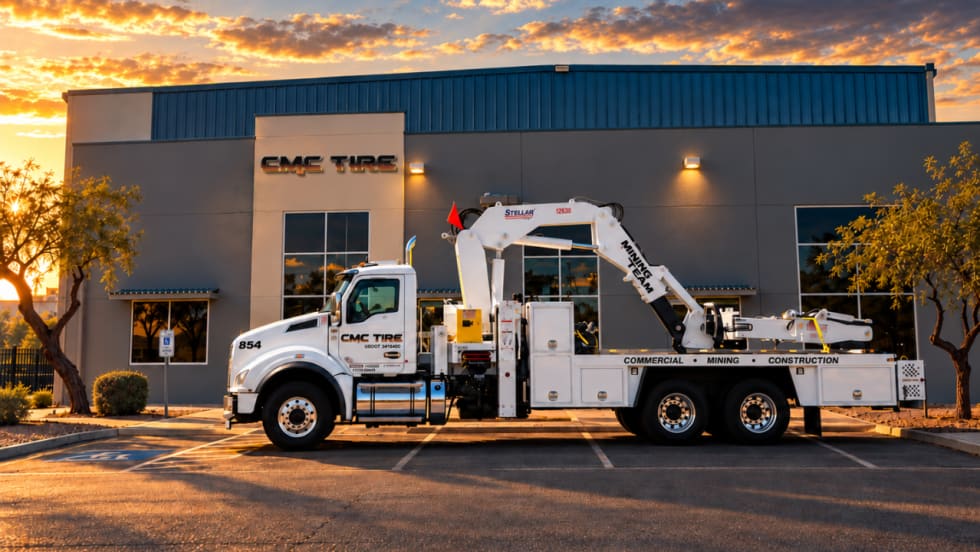
Les Schwab Expands Commercial Tire Footprint Into Arizona
Les Schwab Tires has expanded into Arizona with two commercial tire locations in Phoenix and Tucson, strengthening its fleet service footprint in the Southwest.
Read More →
Volvo Trucks’ 'Lock and Leave' Software Updates Go Live Across North America
Unattended over-the-air software updates are now available in Volvo trucks across the U.S. and Canada. The new capability lets trucks stay current with the latest software without interrupting operations or requiring a dealership visit.
Read More →
Why Technician Appreciation Can’t Be a Once-a-Year Thought
For fleets trying to keep skilled technicians, recognition cannot begin and end with Technician Appreciation Week. Learn what year-round appreciation really looks like and why the everyday technician experience matters just as much as pay when fleets are trying to keep good people.
Read More →
How Faster Driver Reporting Can Keep Small Truck Problems Small
When minor damage, warning lights, or equipment issues are reported late, small problems can quickly become bigger maintenance headaches. Conversational AI can help shorten the path from what a driver notices in the field to the person who can act on it.
Read More →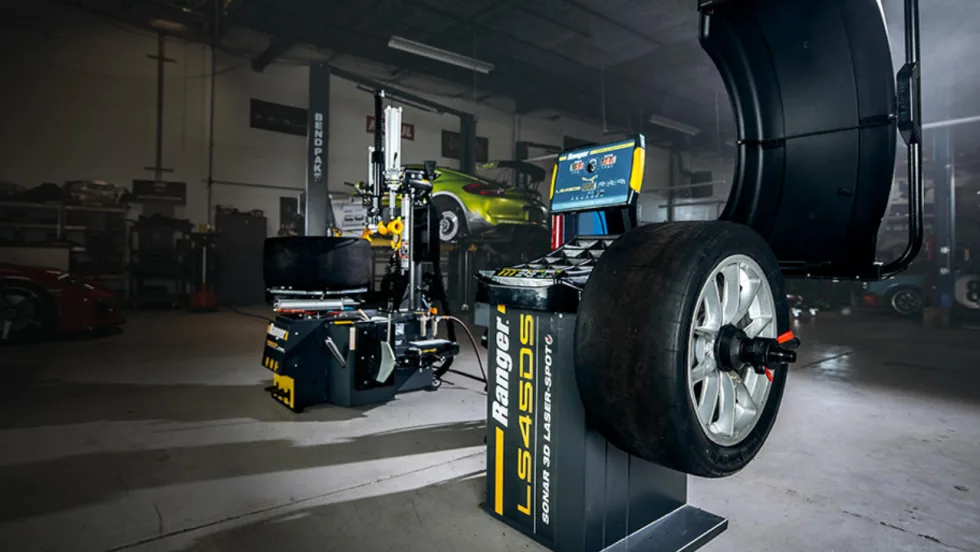
BendPak’s Ranger Wheel Service Equipment Achieves North American Safety Certification
BendPak’s full line of Ranger tire changers and wheel balancers has been ETL certified to UL and CSA standards to improve operator safety.
Read More →
Isuzu & U.S. Department of Labor Celebrate Milestone for Veterans Apprenticeship Program
The Isuzu Veterans Apprenticeship Program (IVAP) signing ceremony highlighted Isuzu’s long-term commitment to veterans, Isuzu dealers, and the skilled workforce supporting its customers and the commercial transportation industry.
Read More →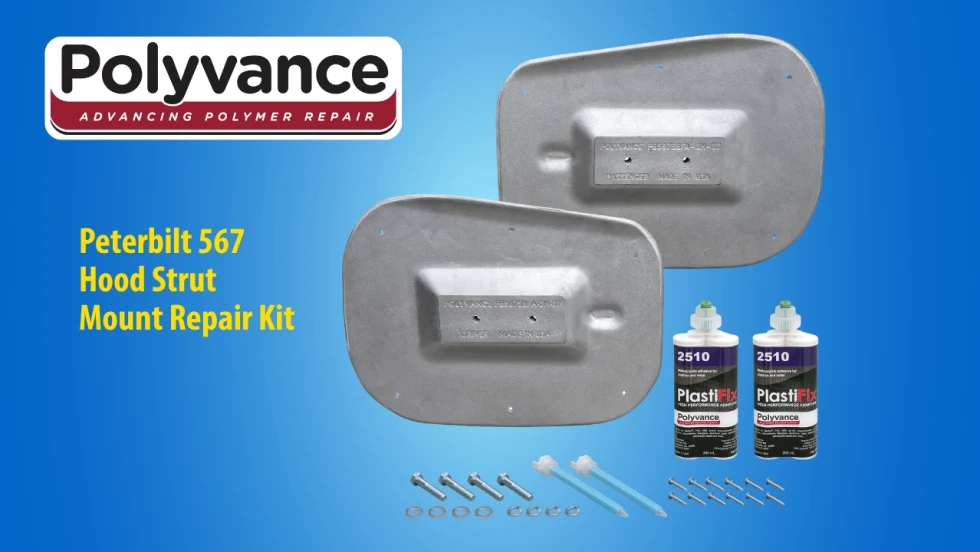
Polyvance Introduces New Peterbilt 567 Hood Strut Mount Repair Kit
Polyvance has launched a repair solution for Peterbilt 567 hood struts, helping truck owners and repair facilities avoid costly hood replacements.
Read More →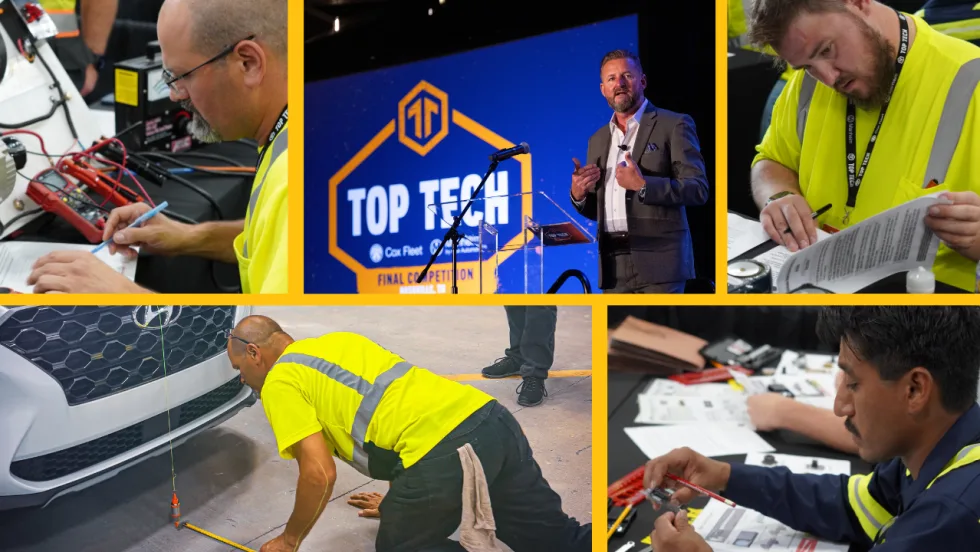
Cox Automotive Celebrates Technical Excellence at 2026 Top Tech Finals
The top technicians from Cox Fleet and Manheim tested their skills in Nashville, Tennessee, at Cox Automotive’s 2026 Top Tech Finals. The overall winners will advance to compete at the American Trucking Association’s TMC SuperTech competition.
Read More →
Grote Industries Appoints Vice President of North American Operations
Grote Industries has appointed Patrick Smith as vice president of North American operations as it celebrates 125 years of innovation and manufacturing excellence. He has more than 20 years of manufacturing leadership experience.
Read More →
Winter Fleet Prep: Expert Tips to Keep Vehicles Running Smoothly
Cold weather can expose weak batteries, tires, fuel systems, and maintenance gaps fast. Use this winter fleet checklist to prepare trucks and drivers before temperatures drop.
Read More →