




Learn More: Reading Truck Body Celebrates 40 Years of Aluminum
3 Ways Construction Pros Can Get a Work-Ready Vehicle
Your goal should be getting a work-ready truck that’s built for your work. Focusing on that — and resisting pressure to just get an order filled — will ultimately save you from spending time and money after delivery.
by Bill Pruemer, Reading Truck Group
January 25, 2021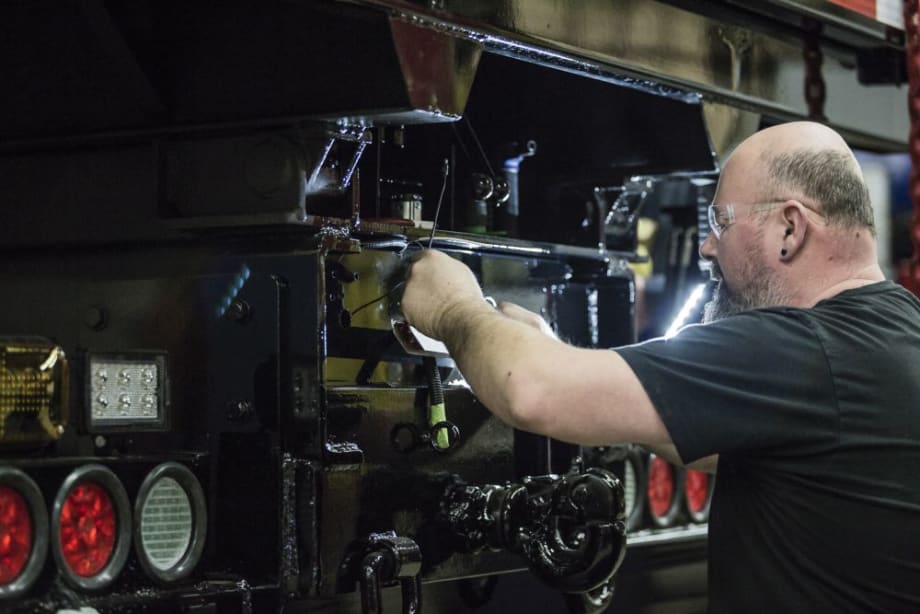
Share as much useful information with your upfitter about how the truck will be used as you can. Doing that creates opportunities for them to suggest features (like decals, tool boxes or cab guards) that make the truck ready for work the day you receive it.
Photo: Reading Truck Group
3 min to read
In the race to get trucks on the job site as fast as possible, customers in the construction industry often end up seeing their work truck suppliers as a way to get a pickup with a bed on it — and not much more. That kind of thinking can end up costing them more money and time because they’re not upfitting their trucks to meet the demands of their work.
Here are three tips to make sure your next construction vehicle is work ready:
1. Don’t Shortchange Upfitting
The worst thing to see is a crew installing decals or other equipment on their trucks after they have been delivered. This signals to me that there wasn’t enough communication about the customer’s needs or how the vehicle would be used in the field.
My advice is to share as much useful information with your upfitter about how the truck will be used as you can. Doing that creates opportunities for them to suggest features (like decals, tool boxes or cab guards) that make the truck ready for work the day you receive it. Plus, upfitters have the benefit of buying in bulk. If your construction fleet is spread over 10 sites, you won’t have to pay 10 different aftermarket providers to get the equipment you need.
2. Budget Time for Specs
Unlike other fleet businesses, construction work is heavily dependent on winning bids. This situation results in more pressure to put trucks in the field quickly after the deal is signed and a narrower window for designing vehicles.
Two strategies can help overcome this time crunch:
First, try to put the builds you know you will need again and again on a replacement cycle. For example, if your business is road construction, there are certain vehicle configurations you will need on almost every job. As a result, you can budget resources towards replacing them at regular intervals instead of when a new bid comes in.
When you can’t put your vehicle on a recycle program, budget as much time for design and upfitting as you can. That extra time will ensure that you and the manufacturer have enough time to work through all the requirements for your vehicle.
3. Consider New Technologies
Whether it’s driver safety or fuel efficiency technology, advanced solutions are available to help maximize the efficiency of your fleet. For the construction industry, there are a range of driver assistant technologies like cameras and sensors that improve the overall safety of the vehicle. And, new high-performance materials, adhesives, and bondings are available that can reduce weight and save on fuel costs. Make sure to ask your upfitter about the technology options available to you.
Finally, remember that your goal should be getting a work-ready truck that’s built for your work. Focusing on that — and resisting pressure to just get an order filled — will ultimately save you from spending time and money after delivery.
About the Author: Bill Pruemer is the director of National Accounts for the Reading Truck Group.
Subscribe to Our Newsletter
More Upfitting
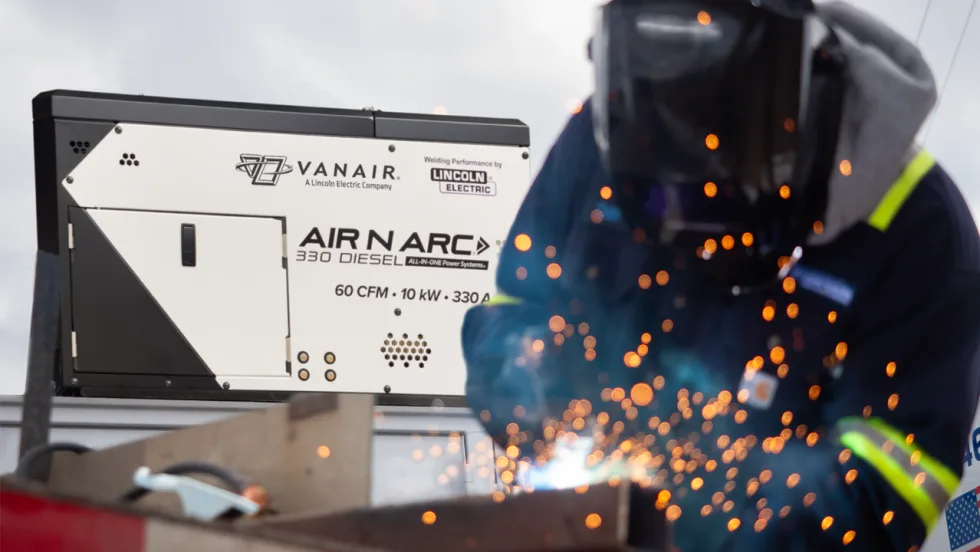
Multitasking: Vanair’s Air N Arc 330 Diesel 60 CFM All-In-One Power System
The Air N Arc 330 Diesel 60 CFM from Vanair consolidates a welder, generator, rotary screw air compressor, battery booster, battery charger, and EV charger into a single 750-pound enclosure driven by one 24.8-horsepower Kubota diesel engine.
Read More →
Buyers Products Awarded Sourcewell Cooperative Purchasing Contract for Snow & Ice Equipment
Buyers Products has been awarded a Sourcewell contract for a wide range of winter maintenance equipment and accessories, including snowplows, municipal plow systems, wing plows, spreaders, and more.
Read More →
Hilltip Introduces the SnowStriker SFT Flex Expandable Box Plow
Hilltip’s new SnowStriker SFT Flex expandable box plow features hydraulically extendable sections that allow operators to adapt the clearing width to changing conditions and applications on the go.
Read More →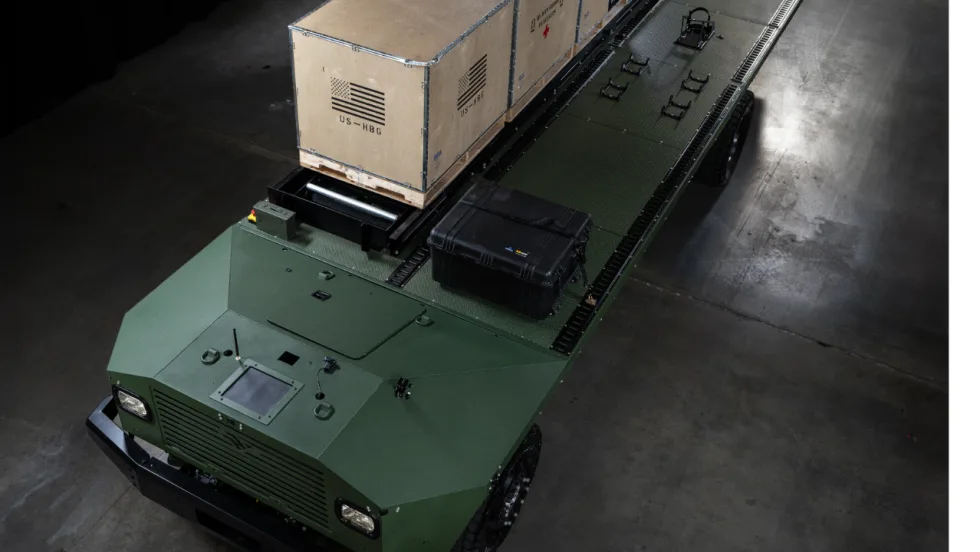
Harbinger Part of Effort to Deliver Autonomous Logistics Capabilities for U.S. Army
American Rheinmetall received an 18-month U.S. Army contract to deliver autonomous, hybrid-powered uncrewed ground vehicles. Harbinger is providing the truck platform for those vehicles.
Read More →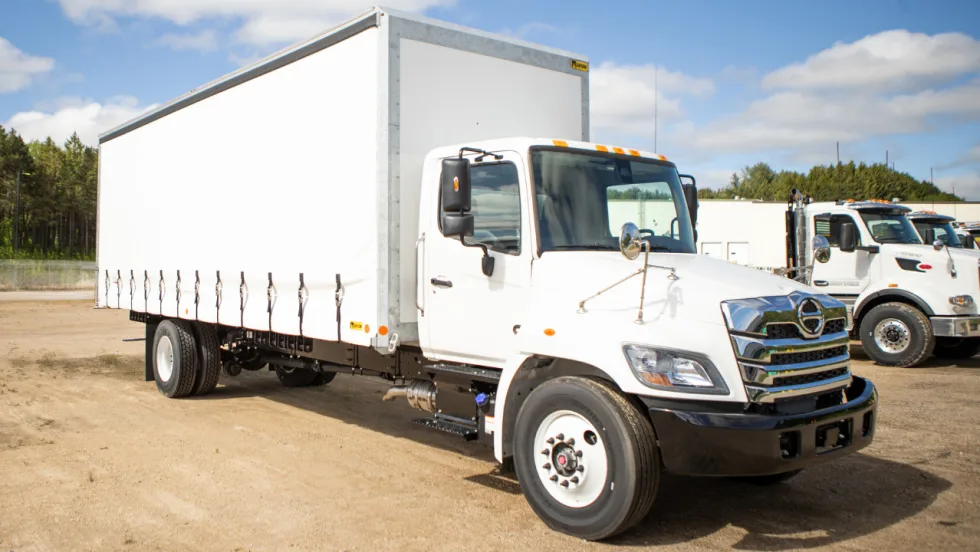
Thinking Outside of the Box: Choosing the Right Truck Body for Your Fleet
Choosing the right truck body can have a major impact on loading efficiency, cargo protection, downtime, and long-term operating costs. Here’s how dry vans, platforms, and curtainsiders compare, plus what fleets should consider before spec’ing their next truck.
Read More →
Fourth Annual Upfit Package of the Year Awards Open for 2027 Entries: One Month Left!
Think your upfit deserves industry recognition? Enter the 2027 Work Truck Upfit Package of the Year Awards before the Sept. 30 deadline. There is less than a month left to get your submissions in!
Read More →
Reading Truck Equipment & Masterack Unite as One of North America's Largest Commercial Vehicle Upfit Networks
Reading Truck Equipment and Masterack have integrated operations to create one of North America's largest and most comprehensive commercial vehicle upfit organizations.
Read More →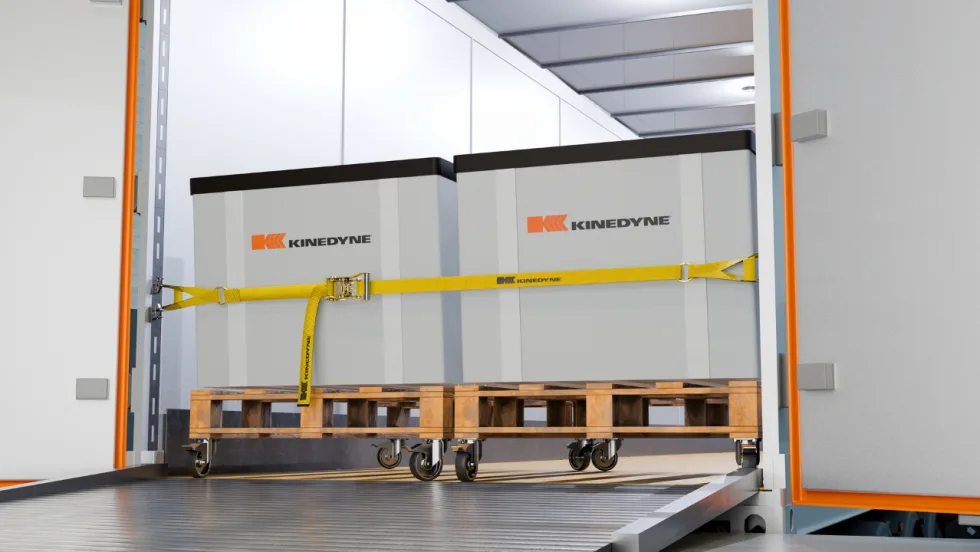
Kinedyne Launches Heavy Duty Logistic Shoring Strap
Kinedyne’s new Heavy Duty Logistic Shoring Strap features a patent-pending four-point design to deliver greater cargo stability, increased strength, and easier handling for rolling and shifting freight.
Read More →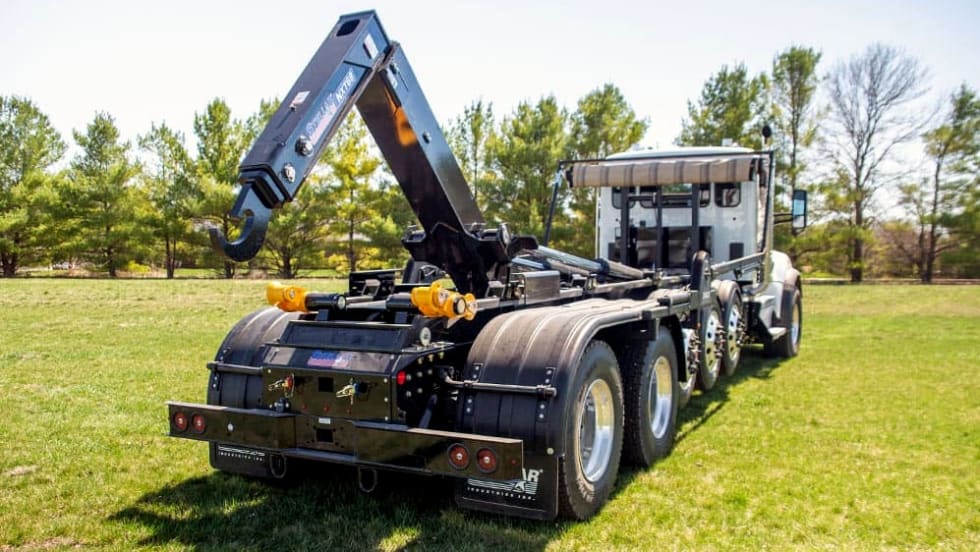
Hooklift Bumper Design from Stellar Showcases Strength & Versatility
Stellar Industries’ new bumper for the NZT Series Hooklifts come in two capacity options: the 20K, designed for Class 3 – 6 chassis with a 20,000-pound pull capacity, and the 90K, built for Class 7 and 8 chassis with a 90,000-pound pull capacity.
Read More →
Maxon Lift Awarded the Wabash Platinum Award for Supply Chain Performance
Maxon Lift, a liftgate manufacturer since 1957, received the Wabash Platinum Award for supply chain performance in 2025. Each year, Wabash presents awards to top suppliers for excellence in supply chain performance.
Read More →