




Related: PERC Shares Video on Creating Propane Fueling Infrastructure
3 Strategies to Further Reduce Fuel Costs
With the turbulent year businesses have faced so far in 2020, many fleet owners are scrutinizing budgets and looking to reduce operating costs. One way to achieve this goal is to lower their fuel costs with a more cost-effective energy source.
by Steve Whaley, PERC
May 12, 2020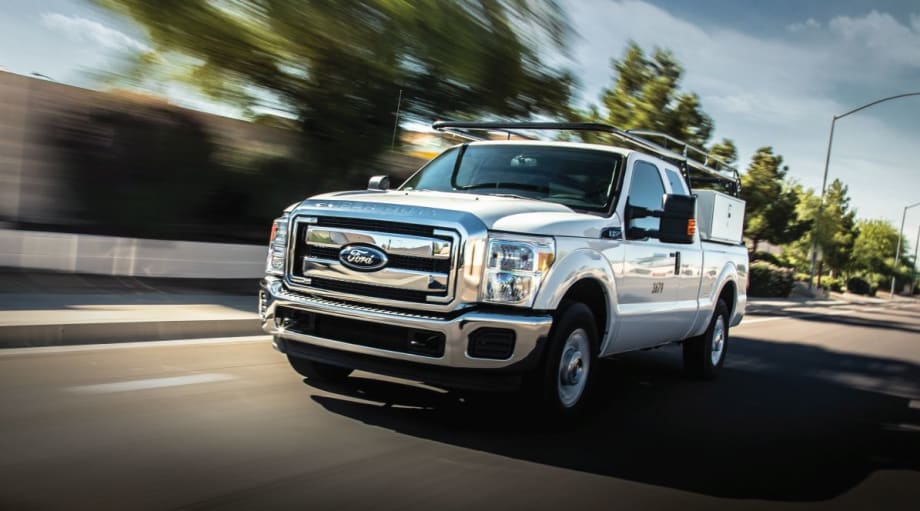
Keep propane autogas vehicles easily fueled by installing a centralized, on-site propane autogas refueling station. It costs less than conventional fuel stations, fleets don’t have to go out of their way to fill up their tanks, and can increase their fleet’s productivity.
Photo: PERC
4 min to read
With the turbulent year businesses have faced so far in 2020, many fleet owners are scrutinizing budgets and looking to reduce operating costs. One of the ways fleet owners can achieve this goal, is to lower their fuel costs with a more cost-effective energy source.
Right now is an ideal time for fleets to start researching their options to switch to a new fuel like propane autogas that can be locked in for multi-year contracts at historically low prices.
Many fleets switch to propane autogas because it offers the lowest total cost-of-ownership of any fuel thanks to its low maintenance and fuel costs. Even in this season with oil at prices that are so low they’re hard to comprehend, there are still ways to save money with propane autogas.
In fact, because the cost of wholesale propane falls between the price of oil and natural gas — propane’s two sources — propane autogas is consistently less expensive than diesel and gasoline.
While just transitioning to propane autogas will significantly improve a fleet’s revenue capabilities, there are even more ways fleets can further reduce their fuel costs.
Fleets can use these three strategies to find even more savings:
Step 1: Evaluate Your Current Refueling Process
Fleets that have to travel out of their way to refuel their vehicles are not only missing out on time that could be spent on a job site or making deliveries, but they’re also wasting money on fuel to go to and from the pump.
By installing a centralized, on-site propane autogas refueling station that costs less than conventional fuel stations, fleets don’t have to go out of their way to fill up their tanks and can increase their fleet’s productivity.
On-site propane autogas infrastructure is customizable and scalable to meet the demands of any fleet. A centralized standard private station is best for fleets operating with fewer than 50 vehicles and includes a 1,000- to 3,000-gallon tank and a single autogas fuel dispenser. A centralized advanced private station is best for fleets with more than 50 vehicles and includes one or more high-capacity fuel storage tanks and multiple dispensers.
Refueling stations also include quick-connect nozzles which securely lock into place to eliminate spills and evaporative emissions and make for a quick and convenient process.
Another option for fleets that want to take advantage of the convenience of propane autogas on-site refueling but don’t have room or are unable to install infrastructure is to set up a mobile refueling solution. The propane supplier will refuel a fleet’s vehicles on-site using a propane autogas bobtail truck. Propane suppliers will work with fleet owners to develop a scheduled time for refueling that works around their demanding schedules.
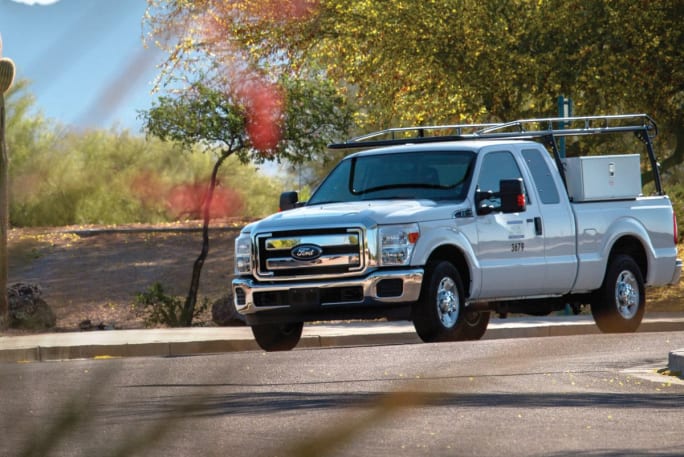
Propane autogas fleet operators who apply for the tax credit will be able to claim a credit for every gasoline gallon equivalent of propane autogas purchased, or about 37 cents per gallon.
Photo: PERC
Step 2: Secure a Fuel Contract
Many propane autogas retailers will work with fleet owners to create a fuel contract that allows fleets to lock in a set price per gallon for a period of time. This is another layer of protection against fluctuating fuel prices. In exchange for a fuel contract, propane suppliers may offer the tank, pump, and dispensers for an on-site refueling station.
Because propane autogas is widely available across the U.S., fleet owners looking to make the switch can work with a local propane supplier who can help them select and install an affordable refueling infrastructure and develop a fuel contract to fit their needs.
Step 3: Take Advantage of Available Financial Assistance
Although the total cost-of-ownership for propane autogas vehicles is substantially less without relying on financial incentives, there are several funding sources for fleets who transition to alternative fuels like propane autogas. Earlier this year, Congress passed the Further Consolidated Appropriations Act, 2020, which extended the Alternative Fuel Tax Credit.
Propane autogas fleet operators who apply for the tax credit will be able to claim a credit for every gasoline gallon equivalent of propane autogas purchased, or about 37 cents per gallon. The bill not only extends the credits through Dec. 31, 2020, but fleet owners can also apply for credits retroactively for any fuel purchases made in 2018 and 2019.
Vehicle operators interested in taking advantage of these tax credits should consult their own tax advisers first regarding any claims for credits or refunds.
Additional opportunities are also available through other federal and state grants. Fleets should check with their area Clean Cities Coalition to learn more about what funding may be available where they live.
By utilizing these three tips, propane autogas fleet owners will start to see the cost savings add up immediately. Fleet owners interested in learning more about cost-effective propane autogas vehicles should visit Propane.com/Fleet-Vehicles.
About the Author: Steve Whaley is the director of on-road business development for the Propane Education & Research Council (PERC). He can be reached at stephen.whaley@propane.com.
Subscribe to Our Newsletter
More Green Fleet

Fleet Forward Conference Introduces One-Day Passes for 2026
New one-day registration gives fleet professionals the flexibility to attend Tuesday, Wednesday, or Thursday, with passes available for $199 through Sept. 18.
Read More →
CALSTART Rebrands as Catalyst Mobility, Will Combine with Forth in 2027
CALSTART has rebranded as Catalyst Mobility and will combine with Forth at the start of 2027. The new organization said it is poised to become one of the world's largest, strongest, and most impactful clean transportation nonprofits.
Read More →
Electric Truck and Charging Programs to Boost Sustainability at NY & NJ Ports
Together, the Port Authority of New York and New Jersey and CALSTART will electrify drayage and terminal operations serving the East Coast’s busiest container port. A pair of incentive programs totaling $45 million has launched to accelerate adoption of zero-emission drayage trucks and terminal tractors.
Read More →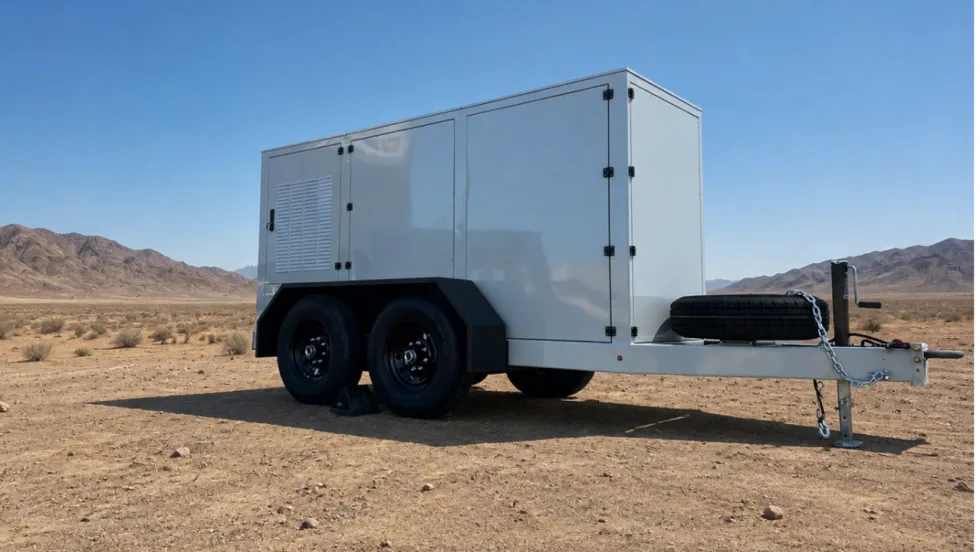
Xos Hub Surpasses One Gigawatt-Hour of Energy Delivered in the Field
A single Xos Hub has surpassed one gigawatt-hour of energy across more than 33,600 charging sessions in the field, demonstrating performance that supports Xos' expansion across new products and markets.
Read More →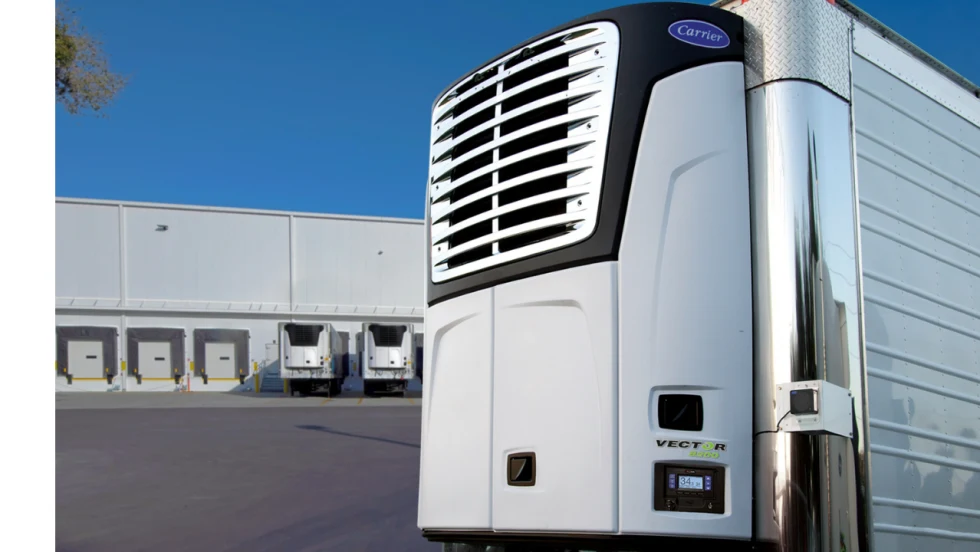
Carrier Transicold Launches All-Electric Vector 8200 TRU for Diesel-Free On-Site Cold Storage
Carrier Transicold’s first engineless multi-temperature TRU helps fresh- and frozen-food fleets add supplemental cold storage capacity during seasonal peaks.
Read More →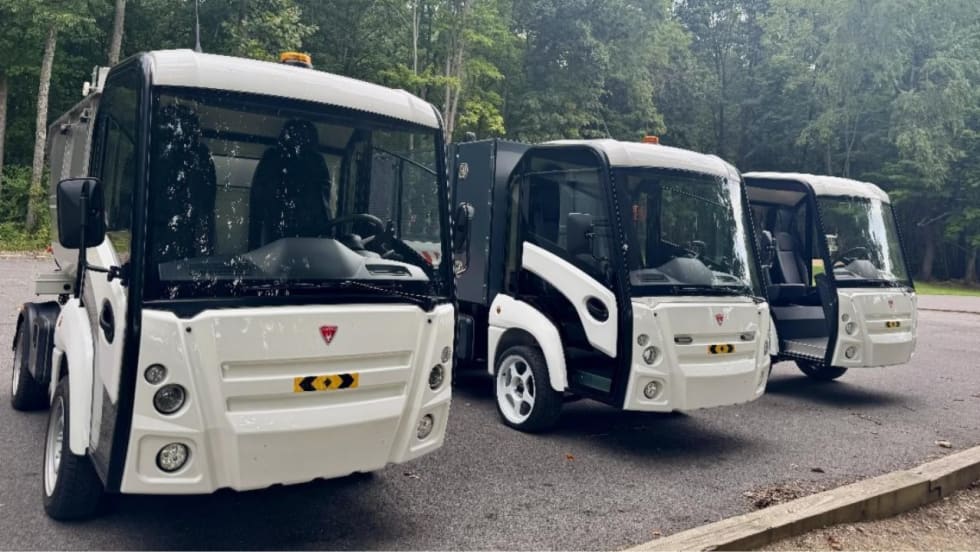
Narro Trucks Introduces Electric Utility Vehicle
Narro Trucks officially launched its operations on Aug. 20 and hosted a ride and drive to showcase its electric truck, which will be produced in Virginia.
Read More →
Samsung SDI Takes Full Control of GM Battery JV as Indiana Plant Pivots to Energy Storage
Samsung SDI is taking full control of its Indiana battery plant with GM, marking a major shift from the EV-focused joint venture Charged Fleet first covered in 2023.
Read More →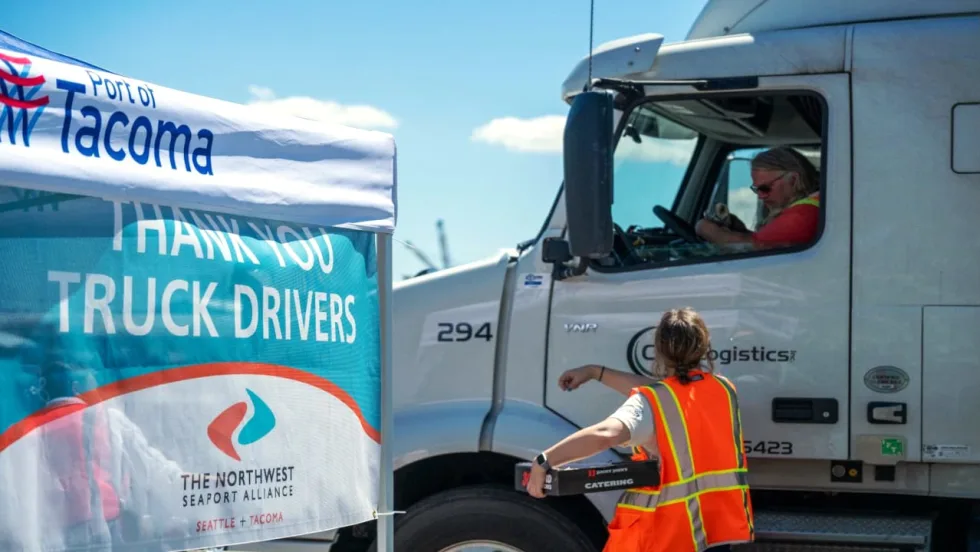
NWSA Taps CALSTART to Administer Zero-Emission Drayage Assistance Program
CALSTART will provide free technical assistance services to drayage fleets serving the Ports of Seattle and Tacoma and looking to transition to cleaner technologies and help decarbonize freight hubs.
Read More →
EV Fleet Reality Check: What Operators Wish They Knew Before Electrifying Their Work Vans
Electric work truck upfits bring new compatibility questions. Learn how parts availability, OEM guidance, power demands, and route planning can affect fleet performance.
Read More →
Peterbilt Expands Sourcewell Partnership with Electric Vehicle Lineup
Peterbilt Motors Company’s cooperative purchasing agreement with Sourcewell and its Canadian partner, Canoe Procurement Group, now includes including Peterbilt's battery-electric vehicle lineup.
Read More →