




2020 Ford Explorer: 5 Fleet Features
For the pharmaceutical sales and construction fleets that use it, the Explorer provides plenty of fleet-friendly features, such as a roomy interior, comfort, and capabilities that support longer trips and minimize driver fatigue.


Ford is adding two models to its Explorer lineup for 2020, including a gasoline-electric hybrid and performance variant.
Photo courtesy of Ford.
The Ford Explorer's wide-ranging use in commercial, law enforcement, and even rental fleets has been somewhat overshadowed by its status as one of America's most popular SUVs.
The 2020 Explorer will enter its sixth generation with significant updates, including the appearance of a gasoline-electric hybrid powertrain that's already in use in police fleets. Ford will offer five gasoline models, including base, XLT, Limited, the new Explorer ST, and Platinum.
For the pharmaceutical sales and construction fleets that use it, the Explorer provides plenty of fleet-friendly features, such as a roomy interior, comfort, and capabilities that support longer trips and minimize driver fatigue. For construction crews, the unibody Explorer offers enough room for gear and personnel in a capable off-road package.
The Explorer Hybrid offers a more fuel-efficient package with a 3.3-liter gasoline-hybrid powertrain that makes 318 horsepower. The rear-wheel-drive model provides a driving range of more than 500 miles. Ford is also adding the retail-facing Explorer ST performance variant with a 3.0-liter turbocharged V-6 that makes 400 hp and 415 pound-feet of torque.
Base Explorers are now powered by a turbocharged 2.3-liter inline-four cylinder (300 hp and 310 lb.-ft.) rather than the outgoing 3.5-liter V-6. The Explorer shifts to rear-wheel-drive architecture, and sheds 200 pounds of weight.
Ford will offer a set of Michelin self-sealing tires as standard equipment on Platinum and Limited hybrid all-wheel-drive models and optional on Limited models.
Let's take a closer look at five features on the 2020 Explorer that will benefit the commercial fleets that use it.
Safety Tech to Reduce Risk
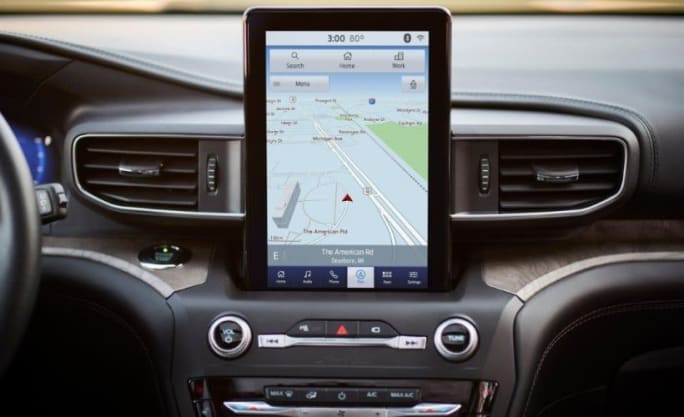
New technology, including an optional 10.1-inch tablet-style screen, enhances safety and connectivity.
Photo courtesy of Ford.
The 2020 Explorer adds the CoPilot 360 suite of advanced safety technologies and an available 10.1-inch portrait touchscreen. All models get forward collision warning with automatic emergency braking, blind-spot monitoring, lane-keep assist, and rear cross-traffic alert, while higher trim grades offer traffic sign recognition, reverse brake assist, and a 360-degree camera.
Additional available technology includes reverse brake assist and the second-generation active park assist, which allows the vehicle to take over the steering, shifting, braking, and accelerating during a parking maneuver.
"It's not about filling the vehicle with technology for technology's sake," said Chris Billman, Ford Co-Pilot360 engineering manager. "It's about improving the experience, making driving less stressful, and helping the driver to feel more confident behind the wheel."
Connectivity, Ergonomics to Keep Drivers Engaged
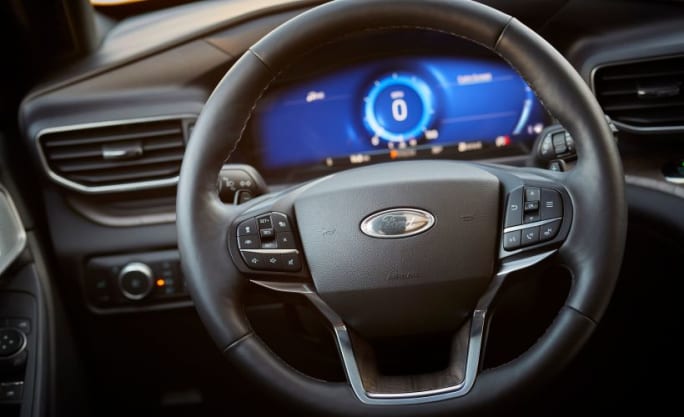
Reworked steering-wheel controls help drivers avoid distraction.
Photo courtesy of Ford.
Infotainment features can keep a driver fresh during a longer road trip between client visits. The 2020 Explorer adds standard SiriusXM satellite radio, HD Radio standard on Limited and Premium trims, and an available 980-watt, 14-speaker B&O premium audio system.
The entertainment options display on a new 8-inch touch screen or available 10.1-inch tablet-style portrait touchscreen for larger map displays.
More intuitive steering-wheel-mounted controls allow easier access to key features, so a driver can keep their eyes on the road and hands on the wheel.
Interior Comfort for Drivers and Clients
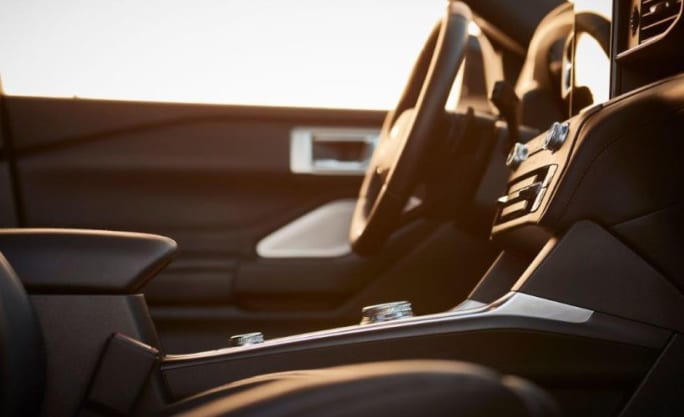
Interior upgrades help keep drivers fresh.
Photo courtesy of Ford.
The Explorer's reworked, quiet cabin offers more space due to the shift to rear-wheel drive from a transverse, front-wheel drivetrain.
Comfort and features to accommodate staff, clients and team members keep everyone comfortable, productive and safe while taking care of business.
The redesign also helped Ford engineers shave 200 pounds of weight from the vehicle.
Compartments to Optimize Storage
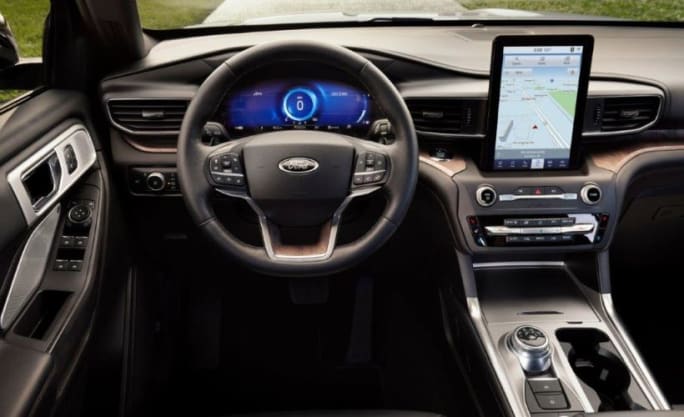
A device charging pad behind the cupholders and other compartments help drivers stay organized.
Photo courtesy of Ford.
The Explorer's cabin offers various compartments designed to optimize storage and equipment in this mobile office.
An available wireless charging pad allows those in the field to recharge compatible mobile devices. There are up to four USB ports, including new type-C outlets that charge next-generation mobile devices. Up to three 12-volt outlets are also available.
Terrain Modes for Various Road Conditions
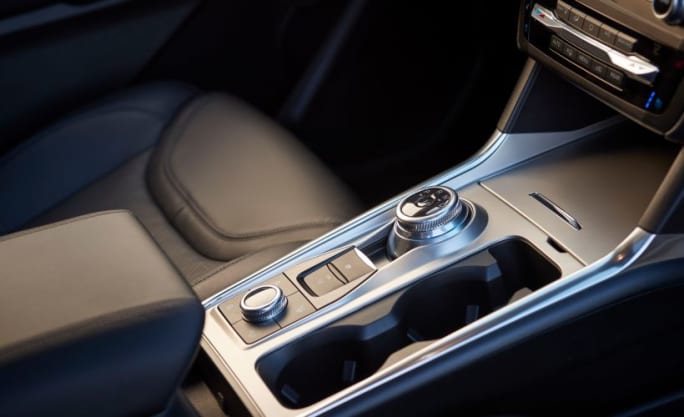
New terrain modes help the Explorer deal with a variety of road surfaces.
Photo courtesy of Ford.
The 2020 Explorer adds the available Terrain Management System that provides a driver with up to seven selectable modes to help tackle a wide range of road conditions by twisting a center console dial. Modes include Normal, Trail, Deep Snow and Sand, Slippery, Sport, Tow/Haul, and Eco.
Each mode each come with unique 3-D animated graphics that appear in the new, available 12.3-inch digital instrument cluster.
Originally posted on Automotive Fleet
More Vehicle Research
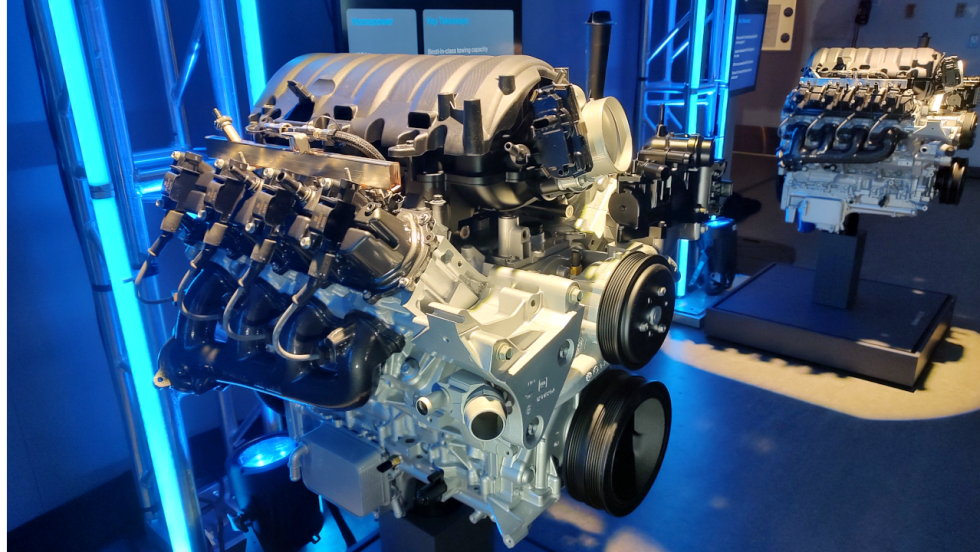
GM Unveils New Sixth-Generation Small Block Engines for 2027 Light-Duty Pickups
General Motors unveiled two new small-block engines, backed by extensive real-world validation and more than 70 years of small-block V8 manufacturing experience, as part of the engine portfolio for the 2027 Chevrolet Silverado 1500 and GMC Sierra 1500.
Read More →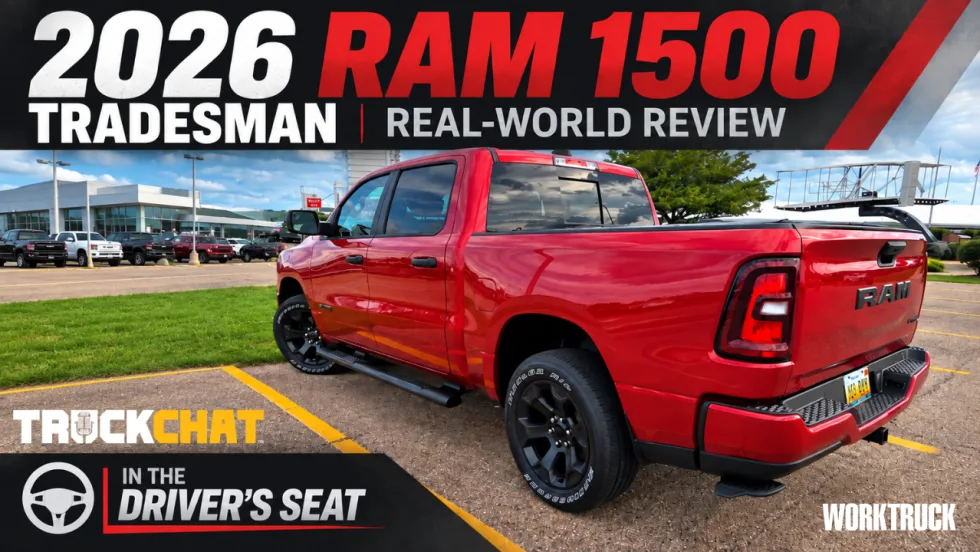
2026 Ram 1500 Tradesman Put to a Real-World Fleet Test
A few days behind the wheel of a 2026 Ram 1500 Tradesman turned into a test of visibility, parking, work-ready features, and even severe-weather driving.
Read More →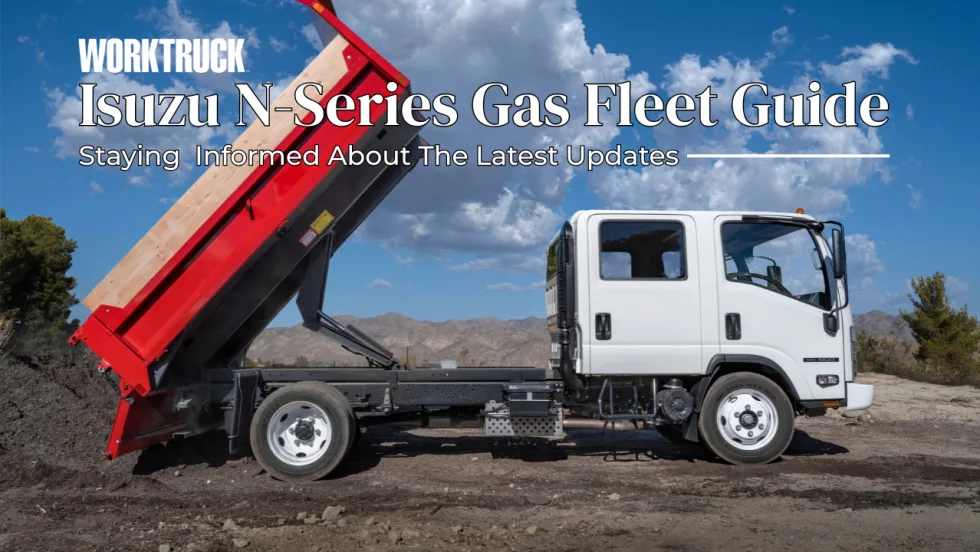
Isuzu N-Series Gas Fleet Guide: Specs, Capability and 2027 Model-Year Updates
Explore Isuzu Truck North America’s N-Series Gas fleet specs, engine performance, GVWR and payload capability, configurations, chassis dimensions, work-focused features, and 2027 model-year information.
Read More →
Chevrolet Silverado 1500 Fleet Guide Specs Capability and 2027 Model-Year Updates
The next-generation 2027 Chevrolet Silverado 1500 brings new V-8 engines, updated technology, expanded safety features, and a fleet-focused Work Truck. Here’s what commercial fleets need to know so far.
Read More →
Ram ProMaster City Fleet Guide Specs Cargo Capacity and 2027 Updates
Work Truck’s Ram ProMaster City Fleet Guide tracks the latest specifications, cargo capability, configurations, fleet technology, pricing, and model-year updates for Ram’s mid-size commercial van.
Read More →
Ford F-150 Fleet Guide Specs Capability and 2026 Model-Year Updates
Explore 2026 Ford F-150 fleet specs, engines, towing and payload capability, configurations, work features, technology, and model-year updates.
Read More →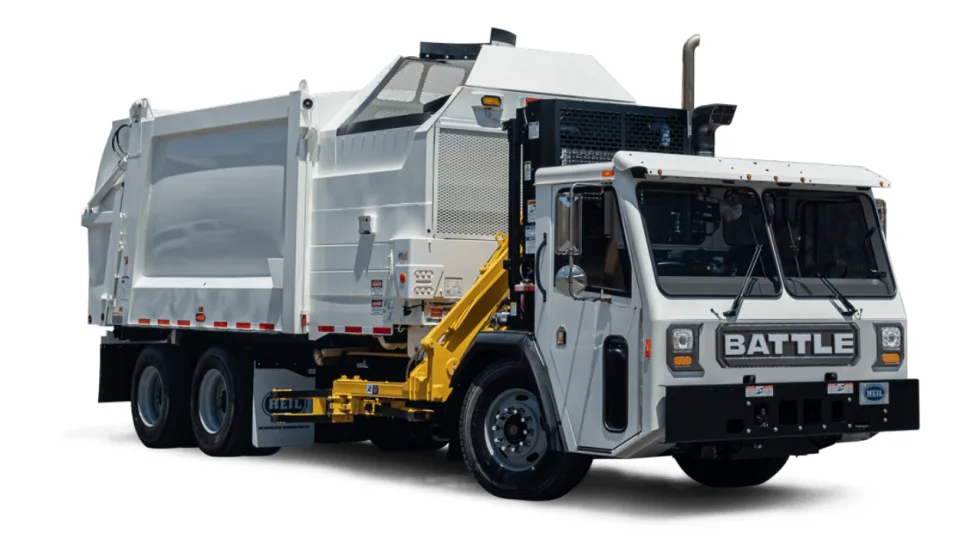
TCI Now Sells & Supports Battle Motors’ Vocational Trucks
Midwest truck dealer Truck Centers, Inc. (TCI) has expanded its transportation solutions with sales and service support for Battle Motors’ heavy-duty vocational trucks at locations in locations in Indiana, Illinois, and Missouri
Read More →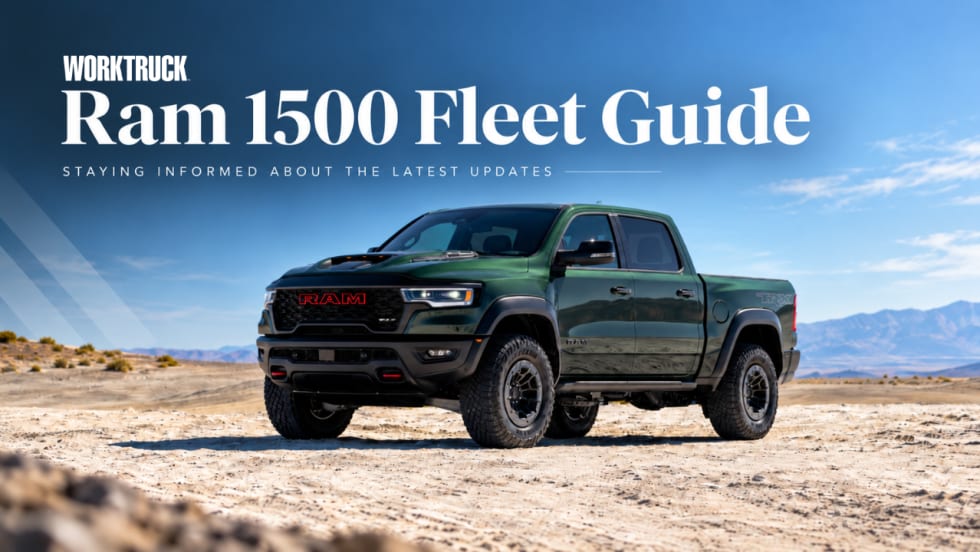
Ram 1500 Fleet Guide Specs, Capability and 2027 Model-Year Updates
Explore always up-to-date Ram 1500 fleet specs, engines, towing and payload capability, configurations, technology, pricing updates, and model-year changes.
Read More →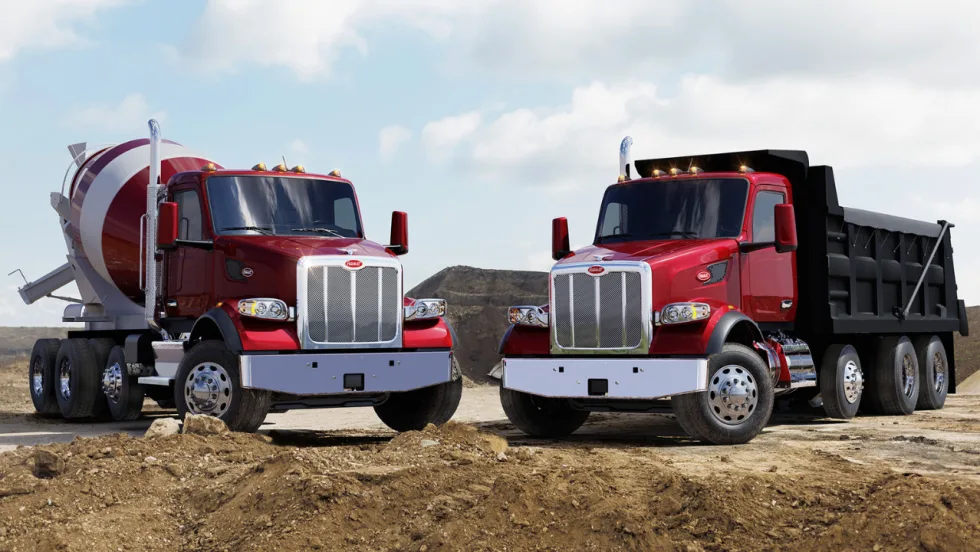
Peterbilt Trucks Equipped with Paccar TX-18 Pro Boost Efficiency for Maryland Fleet
Patuxent Companies is replacing aging trucks with the Peterbilt Model 567 and Model 589, specified with the Paccar TX-18 Pro 18-speed automated transmissions, and is reporting an 8% to 10% improvement in fuel economy.
Read More →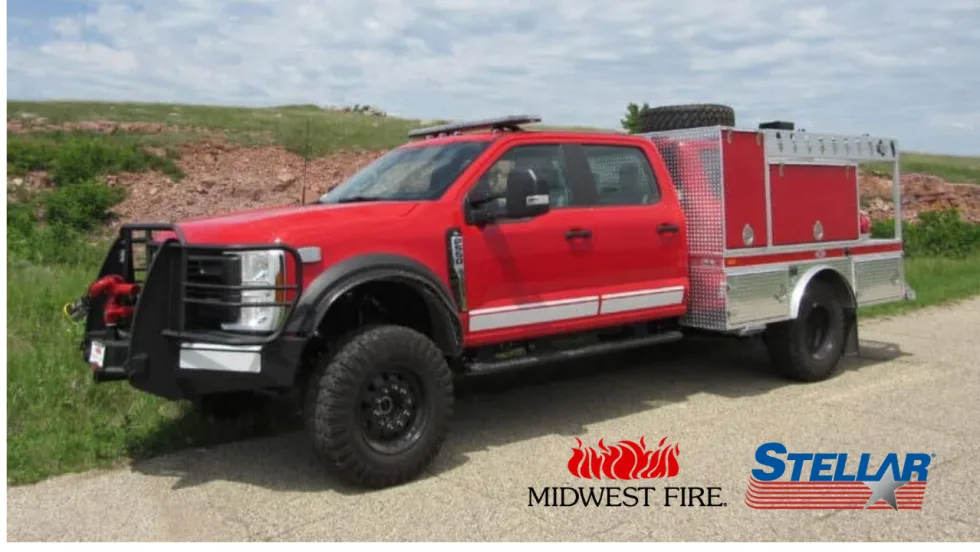
Stellar Expands into Fire Apparatus Market with Acquisition of Midwest Fire
Stellar Industries has acquired Midwest Fire, a custom fire apparatus manufacturer headquartered in Luverne, Minnesota, with nearly four decades of specialized apparatus experience.
Read More →