




2014 BMW 328d xDrive Sedan Overview
BMW has added to its diesel legacy with the 328d's 2.0L, four-cylinder TwinPower Turbo Diesel engine — a first for the U.S. market — which produces 180 hp and 280 lb.-ft. of torque at 1,750 rpm. When mated to the 8-speed automatic transmission, the combination achieves a 7-second 0-60 mph lapse time.

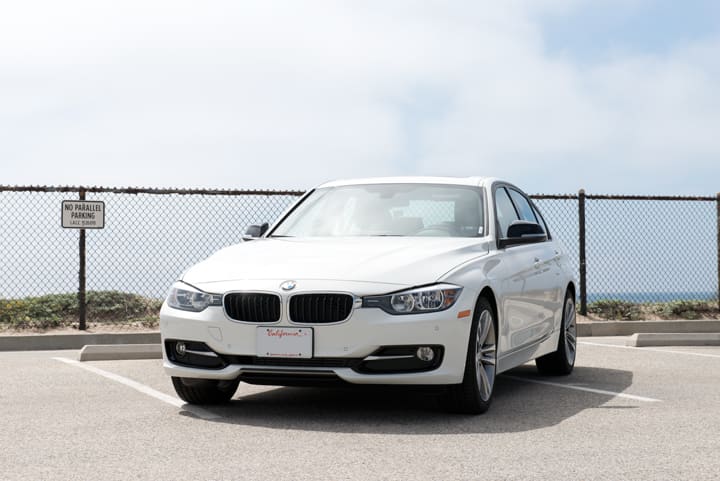
Photo by Vince Taroc.
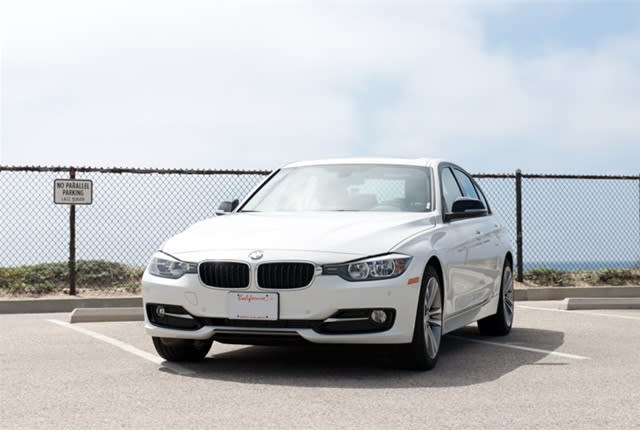
Photo by Vince Taroc.
The 2014-MY BMW 328d xDrive Sedan is not the automaker's first dip into the diesel pool. After the U.S. fuel crisis of the 1970s, BMW decided to change consumers' views of diesel engines with the introduction of a turbocharged 2.4L engine that produced 115 hp and 155 lb.-ft. of torque.
Fast-forward more than three decades and BMW has added to its diesel legacy with the 328d's 2.0L, four-cylinder TwinPower Turbo Diesel engine — a first for the U.S. market — which produces 180 hp and 280 lb.-ft. of torque at 1,750 rpm. When mated to the 8-speed automatic transmission, the combination achieves a 7-second 0-60 mph lapse time.
Improving Fuel Economy
Increasing the transmission to eight gears affords a more efficient shifting sequence and improved fuel economy, which is currently rated at an EPA-estimated 45 mpg. The 2014 328d includes Adaptive Transmission Control (ATC) with Sport and Manual shift modes. The ECO PRO mode uses engine management software to adjust the engine's output characteristics, allowing the automatic transmission to upshift sooner and remain in a higher gear longer, improving fuel economy. Depending on the driver, it can result in a fuel savings of up to 20 percent, according to the automaker.
Adding to this savings is the vehicle's auto start-stop function, which reduces fuel consumption and lowers emissions by automatically turning off the engine when it's not needed, and restarting when it is. The system is monitored by a central control unit that monitors the battery and is only active when specific conditions are met: an adequately charged battery, an engine at the ideal operating temperature, fully closed doors, and fastened seat belts.
To further improve fuel economy, the 328d utilizes brake energy regeneration, where the generator produces electricity when the driver brakes or takes their foot off the accelerator. While driving the 328d, kinetic energy from braking is transformed into electrical energy, then fed into the battery, generating electricity without consuming fuel.
Stabilizing the Vehicle and Driver
The new 328d also comes with a number of safety features, including dynamic stability control (DSC), brake fade compensation, start-off assistant, brake drying, brake stand-by features, and dynamic traction control. Passengers also benefit from a number of safety additions, including a driver and passenger front air bag supplemental restraint system, front-passenger seat sensors designed to prevent unnecessary air bag deployment, seat-mounted front side-impact air bags, and knee air bags.
Incentivizing Fleets
As part of BMW's fleet incentive program, companies can receive a $2,500 rebate off dealer invoice for the BMW 328d Sedan model or the BMW 328d xDrive sedan model.
"From my point of view, this is a perfect vehicle for sales fleets due to its MPG rating and the overall total cost of ownership," said Rainer Wahl, Corporate Sales Manager for BMW. "While the initial capital cost is higher, a strong TCO is supported by strong resale values when compared to competitive models, and BMW Ultimate Service, which includes includes maintenance costs for four years or 50,000 miles, whichever comes first." For more information related to BMW Ultimate Service, please visit www.bmwusa.com.
Related:
Originally posted on Automotive Fleet
More Small Fleet


Developing Budget-Friendly Driver Safety Programs
From driver training and safety meetings to one-on-one coaching and incentive programs, several small fleets share how they have developed a safety culture with their drivers using low- to no-cost resources.
Read More →
Boosting Last-Mile Fleet Uptime, Safety, and Value with AI Vehicle Inspections
AI-powered inspections are transforming last-mile fleets by replacing manual checks with highly accurate automated scans that detect defects in seconds. By giving fleet operations visibility into the daily condition of their vehicles, you can identify trends over the vehicle’s lifecycle that enable improved procurement decisions, route management, driver training and accountability.
Read More →
Five Ways Seat Belts Help Prevent Injuries
There are five ways seat belts protect occupants from injuries, according to the Tennessee Department of Safety and Homeland Security.
Read More →
It’s here: The 2026 Fleet Technology Trends Report
What does AI mean for fleets? Get the answer — and learn other top tech trends.
Read More →
Small Fleets, Big Impact: How Independent Drivers Power Wreaths Across America
Check out how small fleets and independent drivers power Wreaths Across America each December and why their impact matters more than ever.
Read More →
VMS Survey Finds 65% of Small Fleet Managers Run Operations Alone
A new VMS survey shows small fleet managers are stretched thin, with most handling operations solo and eager to adopt digital tools for relief.
Read More →
Tips for Driving Safely on Halloween Night
This video features a reminder from the Connecticut Department of Transportation (DOT) and the Connecticut Police Chiefs Association, urging drivers to prioritize safety this Halloween.
Read More →
AI, Access, and Uptime: VMS’s Next Chapter with David Prusinski
VMS’s new Co-CEO, David Prusinski, shares how an AI-first approach will give small fleets and repair shops the tools to compete like big players.
Read More →
Fleet Managers Share Winter Prep Tips: It's Never Too Early!
Three fleets share best practices to prep vehicles for winter and prevent downtime when the cold sets in.
Read More →