




18 Ways to Improve the Upfit Planning Process
A “dream team” of 18 fleet truck experts was assembled to discuss ways to optimize the upfitting process. In part 1 of our two-part series, these subject-matter experts reveal how to avoid common upfitting mistakes. It all starts with proper planning.
September 8, 2015

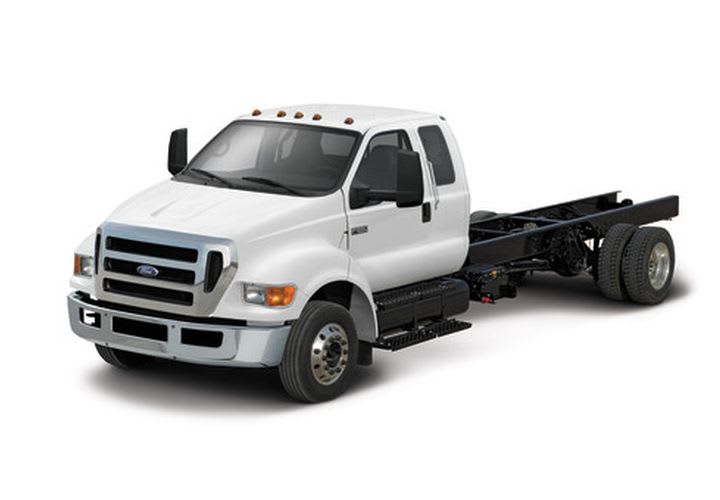
Photo of 2015 F-650 courtesy of Ford.
9 min to read
Upfitting a vehicle to perform a specific task is one of the more complicated aspects of fleet management. And, as such, it is an area fraught with opportunities to make mistakes.
To help fleet managers optimize the upfitting process at their companies, Work Truck magazine assembled a “dream team” of fleet truck experts who shared their expertise. The following two-part article discusses how to avoid common upfitting mistakes and recommends ways to optimize the upfitting process through better planning and spec’ing.
In Part 1 of this two-part article, our subject-matter experts identify 18 recommendations to improve the upfit planning process:
1. Involve End-Users
The first mistake most fleet managers make is not involving the actual end-user in upfitting spec discussions. We constantly make every effort to involve the actual end-user, branch manager, or field technician in all upfit discussions. After all, those are the people who know how the equipment will allow them to perform their jobs safely, effectively, and efficiently.
— Bill Byron, Senior Truck Specialist – Medium/Heavy Duty for Donlen
Get input from the field before assuming what is needed. Many times, the fleet group believes they are providing the end-user with a vehicle that is 100-percent equipped and ready to go when it hits the ground, only to find the field needs to make additional arrangements for upfitting after delivery. Be sure to check with your employees in the field so you have a complete understanding of their needs and requirements.
— Mike Sturges, Regional Truck Manager for ARI
Ask drivers and technicians for input on what they require to do their job on a daily basis. This will assist a fleet management company (FMC) and upfitter designing a package to provide the necessary tools and equipment, while also ensuring the proper chassis selection.
— Steve Swedberg, Truck Engineering & Ordering Specialist for EMKAY
One mistake is not understanding special operational needs when specifying a vehicle. Missing important operational factors (dock height, overhead height, forklift floor, load needs, etc.) can lead to a bad design that won’t meet field personnel needs. This may cause considerable wasted work effort and may cut into employee productivity in completing the number of stops each day. Work with your truck engineer to complete a site visit, see what the operating conditions are, and be sure the design covers your work crews’ needs.
— Joe Brightwell, Truck Operations Manager for Wheels Inc.
2. Understand Operational Requirements
Upfitting a vehicle is a process that requires thought and consideration. Missed details can add up and cost fleet managers money, time, and work inefficiencies. When you operate a fleet of upfitted vehicles, think of the following: What are the operational requirements for the vehicle? What upfitting options are the right ones for the job? Many times, fleet managers do not take the time to fully understand drivers’ needs or which upfit components would be most effective in the field. Fleet managers need to consider such factors as usage, terrain, weather, annual mileage, payload, maintenance, cargo, and cargo loading requirements.
Sometimes, fleet managers miss key performance requirements, such as the gradeability and startability of vehicles, which can greatly affect maintenance and longevity. For example, it is not uncommon for a landscaper’s truck with a 10-foot dump bed installed to climb steep grades of 10 to 11 percent while pulling a trailer. Specifying the wrong powertrain components can cause serious performance and maintenance issues on a vehicle such as this.
— Bill Gooden, Vehicle Upfit Consultant for LeasePlan
3. Set Correct Expectations for Users
Establish your expectations and match them with the supply chain capabilities. Consider the full scope of order-to-delivery (OTD) — from the creation of specs/selectors through the keys landing in a driver’s hand. Stay current with OEM build schedule information to avoid a last minute order placement and set realistic OTD timing estimates with your company’s field operations and management team.
— Ken Gillies, Truck Ordering & Engineering Manager for GE Capital Fleet Services
It is important to set a realistic timeline with clients and ensure it is communicated through all levels, from the factory to the operator. A realistic timeline must consider such factors as weather delays, rail car shortages, and delivery time for upfit equipment. Typically, a vehicle with upfit requirements can take as much as six to nine months from order to delivery.
— Howard Goldman, Vehicle Purchasing Manager for Merchants Fleet Management
4. Stuck in a Rut
Another common mistake is assuming what worked in the past still works and that one-size-fits-all.
— Steve Swedberg, Truck Engineering & Ordering Specialist for EMKAY
5. Consider all Options
Consider all possible options at the time of vehicle or chassis order placement. The last thing you want is to have a van, pickup, or even an incomplete vehicle chassis show up at a dealer or vendor without the required aftermarket upfitting. Additionally, if a vendor is unaware of the upfitting requirements or that a vehicle is on the way, they will not be prepared and material will not be on the ground. This could add weeks, or even months, to the overall lead-time. Be sure to consider all options at the time an order is placed and clearly identify the exact upfit you want.
— Mike Sturges, Regional Truck Manager for ARI
A common mistake is not knowing what is needed at the time of order and assuming upfitting will not add to order-to-delivery.
— Steve Swedberg, Truck Engineering & Ordering Specialist for EMKAY
6. Documentation
Make sure you have a documented approval process that identifies the spec development provider and the end-user to ensure that agreement has taken place. This minimizes deviations from standards and “nice-to-haves,” as well as the discussion around whether the spec development group got adequate input from the field, which is very hard to prove if not documented. Also, memorialize the process. Create a documentation system that captures lessons learned from upfitting a vehicle cradle-to-grave; this will maximize chassis and attachment selection and minimize repeat errors, which is very common in the industry.
— Charlie Guthro, Vice President, North American Fleet Management for ARI
7. Good Communication is Critical
One common mistake we experience is when fleet managers work directly with the upfit or material vendors (or vice versa) regarding spec changes and do not involve the FMC, or if changes are not communicated clearly to all parties. This can have negative consequences when the FMC is issuing the upfit/body purchase orders to vendors, and the purchase order may reflect incorrect or obsolete information that results in vehicles being upfitted incorrectly.
— Joe Birren, Truck Design Consultant for Donlen
8. Standardize Where Possible
Standardize your upfit package, if at all possible. Many fleets allow the use of too many specs or options. The ability to cascade, or move vehicles from location to location, becomes more difficult without a certain level of standardization. Furthermore, the ability to benchmark locations against each other also becomes more difficult when trucks are less similar.
— Chris Foster, Manager, Truck and Equipment for ARI
A common mistake made by fleet managers is missing the opportunity to standardize their fleet. Fleet managers can get a lot of pressure from their field personnel for very specific upfits, and can be convinced a standard upfit application will not work for a branch’s particular needs. A close examination of equipment used across the fleet will usually yield a solid set of specifications that will perform admirably in all but a few circumstances. Working to manage the exceptions through a standardized specification is much more efficient and effective than trying to manage all vehicles as one-offs. A firm understanding of the fleet’s vehicles and how they’re being used will identify opportunities for standardization.
— Joe Brightwell, Truck Operations Manager for Wheels Inc.
Associated benefits to standardization include cost reduction — not just to the vehicle, but volume discount principals will also apply to each and every upfit component — as well as reduced lead times and improved quality, resulting in a more consistent build. Standardization also supports the quality assurance process and minimizes the need for individual inspections and quality control.
— Ron Wiggins, Truck Spec Analyst for ARI
9. Out-of-Stock Versus Upfit
Often, fleets purchase vehicles out of stock because they need a vehicle right away, and the upfitting lead time may be 10-12 weeks out. A chassis ordered at the same time the upfitting is ordered can save considerable interest charges on the out-of-stock vehicle that is sitting for weeks. Another advantage is you will get a chassis at your spec versus what was purchased out of stock, potentially saving thousands on unnecessary options. The key is to stay in close touch with your FMC or upfitter to be sure they understand your needs and are helping get the vehicle you need in the most expedient way possible.
— Tim Stroup, Regional Truck Manager for ARI
10. Avoid Starting the Planning Process Too Late
One mistake is beginning the planning cycle too late to meet requirements for new-model upfits. Recognize that the process of identifying which vehicles will need to be replaced in the next order cycle, deciding on what chassis to replace those vehicles with, nailing down upfit specifications, locking down hard quotes, ordering the replacements, and then actual production takes time. Start your planning cycle early enough to leave adequate time for production, upfitting, and transportation. By establishing a requested delivery date up front, proper planning will help meet your fleet’s needs.
— Joe Brightwell, Truck Operations Manager for Wheels Inc.
One mistake we have seen fleet managers make is not getting vehicle orders in early enough to secure allocation with the manufacturer. Sometimes we receive orders one hour prior to final order cut-off. What can happen is the orders will be accepted, but days, or even weeks, later the manufacturer may respond that allocation is full and either the orders are canceled or the manufacturer rolls the orders over into the next model-year. This can cause a significant increase in order-to-delivery lead time if the manufacturer is making large changes to the particular vehicle model, or, even worse, if upfit equipment was ordered at the time the vehicle order was placed and either cannot be returned or returned only after imposing restocking fees.
— Joe Birren, Truck Design Consultant for Donlen
11. Not Planning for OEM Cut-Offs
As manufacturers have become more sporadic in their build-outs and cut-offs, it is creating a lot of extra work for those that have not gotten their orders in well before. Planning to order long before the cut-offs (allowing time in case the OEM moves up their date a few weeks) can prevent a lot of re-work in ordering (on the upfit side as well as the chassis), and, in many cases, prevent the need to go to costly out-of-stock solutions. Have a back-up plan established. Many clients carry CPAs (competitive pricing agreements) with multiple manufacturers, which can be utilized when one cuts off production and their usual model is no longer available.
— Joe Brightwell, Truck Operations Manager for Wheels Inc.
Subscribe to Our Newsletter
More Upfitting
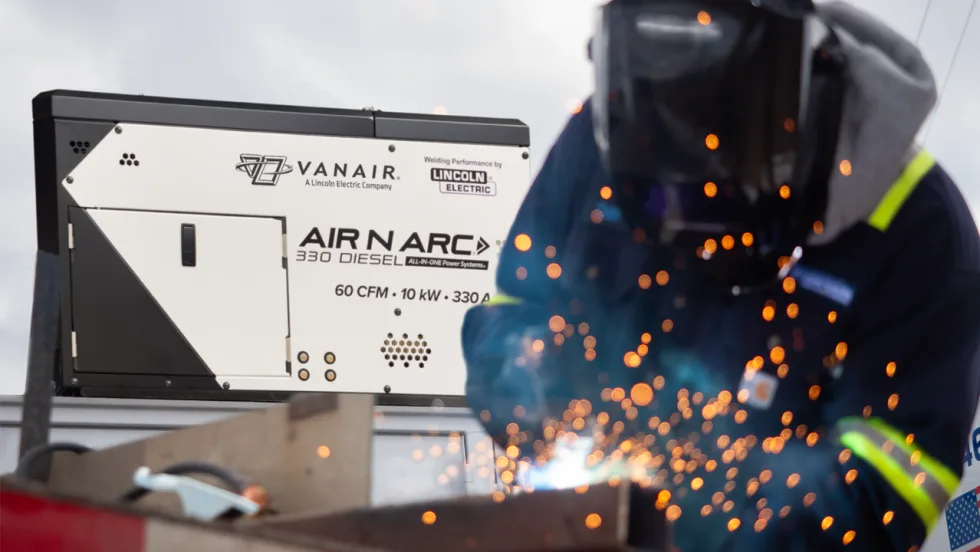
Multitasking: Vanair’s Air N Arc 330 Diesel 60 CFM All-In-One Power System
The Air N Arc 330 Diesel 60 CFM from Vanair consolidates a welder, generator, rotary screw air compressor, battery booster, battery charger, and EV charger into a single 750-pound enclosure driven by one 24.8-horsepower Kubota diesel engine.
Read More →
Buyers Products Awarded Sourcewell Cooperative Purchasing Contract for Snow & Ice Equipment
Buyers Products has been awarded a Sourcewell contract for a wide range of winter maintenance equipment and accessories, including snowplows, municipal plow systems, wing plows, spreaders, and more.
Read More →
Hilltip Introduces the SnowStriker SFT Flex Expandable Box Plow
Hilltip’s new SnowStriker SFT Flex expandable box plow features hydraulically extendable sections that allow operators to adapt the clearing width to changing conditions and applications on the go.
Read More →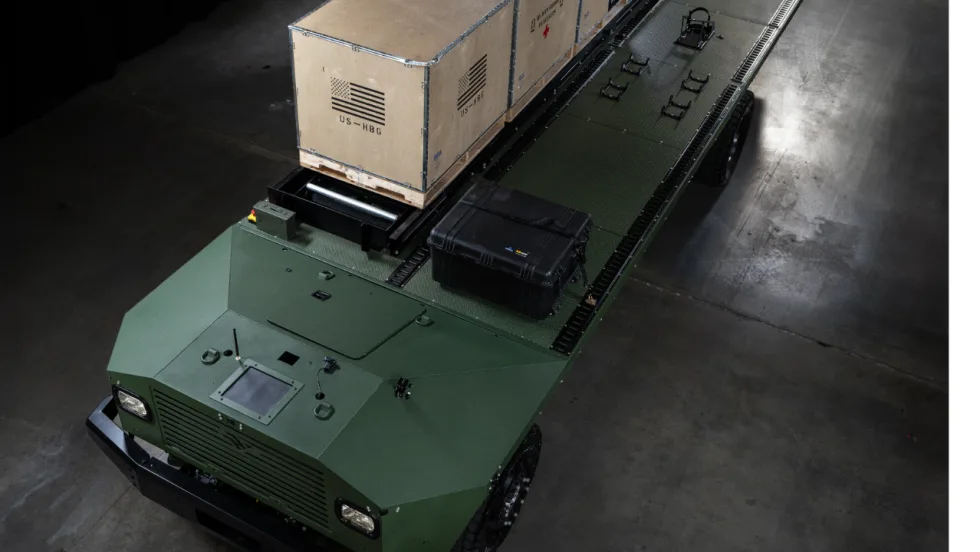
Harbinger Part of Effort to Deliver Autonomous Logistics Capabilities for U.S. Army
American Rheinmetall received an 18-month U.S. Army contract to deliver autonomous, hybrid-powered uncrewed ground vehicles. Harbinger is providing the truck platform for those vehicles.
Read More →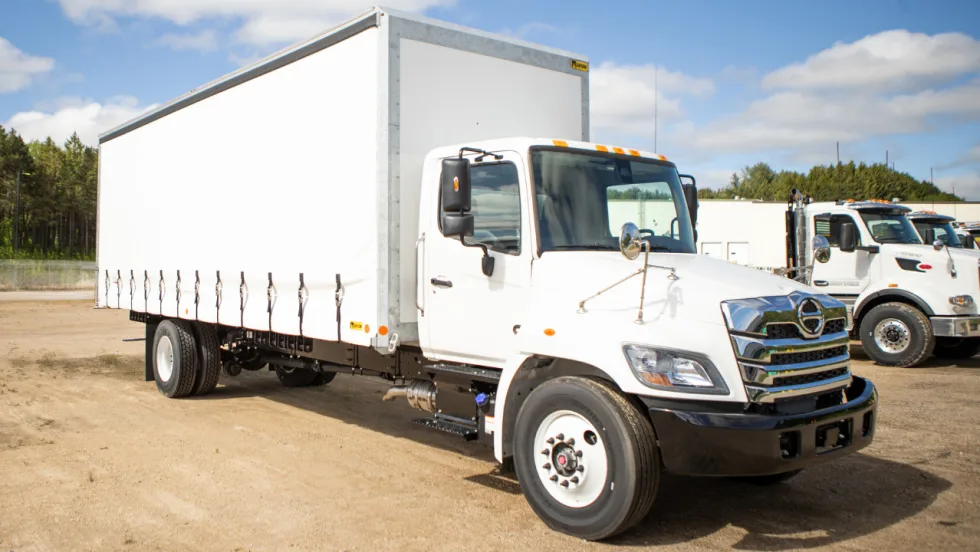
Thinking Outside of the Box: Choosing the Right Truck Body for Your Fleet
Choosing the right truck body can have a major impact on loading efficiency, cargo protection, downtime, and long-term operating costs. Here’s how dry vans, platforms, and curtainsiders compare, plus what fleets should consider before spec’ing their next truck.
Read More →
Fourth Annual Upfit Package of the Year Awards Open for 2027 Entries: One Month Left!
Think your upfit deserves industry recognition? Enter the 2027 Work Truck Upfit Package of the Year Awards before the Sept. 30 deadline. There is less than a month left to get your submissions in!
Read More →
Reading Truck Equipment & Masterack Unite as One of North America's Largest Commercial Vehicle Upfit Networks
Reading Truck Equipment and Masterack have integrated operations to create one of North America's largest and most comprehensive commercial vehicle upfit organizations.
Read More →
Kinedyne Launches Heavy Duty Logistic Shoring Strap
Kinedyne’s new Heavy Duty Logistic Shoring Strap features a patent-pending four-point design to deliver greater cargo stability, increased strength, and easier handling for rolling and shifting freight.
Read More →
Hooklift Bumper Design from Stellar Showcases Strength & Versatility
Stellar Industries’ new bumper for the NZT Series Hooklifts come in two capacity options: the 20K, designed for Class 3 – 6 chassis with a 20,000-pound pull capacity, and the 90K, built for Class 7 and 8 chassis with a 90,000-pound pull capacity.
Read More →
Maxon Lift Awarded the Wabash Platinum Award for Supply Chain Performance
Maxon Lift, a liftgate manufacturer since 1957, received the Wabash Platinum Award for supply chain performance in 2025. Each year, Wabash presents awards to top suppliers for excellence in supply chain performance.
Read More →