




16 Steps to Maximize Residual Value
Follow these common- sense strategies before the acquisition decision, during ownership, and prior to resale to help you hold the line on residual values.
Does your company sell a product or service? If so, you’re constantly looking to protect and augment the value of your offering. Fleet vehicles are depreciating assets, so it’s nearly impossible to “add value” to them—they will always be worth less after you acquired them.
But you should maintain the same mindset with fleet that you have with your company’s products. Because depreciation controls the greatest percentage of fleet expense, protecting your vehicles’ resale value should be a substantial part of your fleet management strategy.
The lifecycle cost experts at Vincentric put together some common- sense tips to help fleets optimize residual value before the acquisition decision, during ownership, and prior to resale.
1. Select the right vehicle, configured in the most utilitarian manner that is best suited for the job. Make sure that powertrain options are sufficient for the job, but no more.
2. Choose vehicles that are popular in the consumer market and ones in which production doesn’t exceed demand, which can lead to large sales to rental car customers. Manufacturers use rental fleets to absorb excess units at or near the end of their model lives. Those models traditionally take a hit in residual value.
3. Use guidebooks (see box) to determine which vehicles within your specifications project the best residual value.
Remember, vehicles with high fleet or consumer rebates may have a detrimental effect on residual values at end of term, thus negating the up-front discount.
4. Order new vehicles directly from the factory to take advantage of fleet-specific rebates and early production discounts. Factory ordering, as opposed to out-of-stock purchases allow you to acquire vehicles with only the options you need at invoice prices.
5. Choose options that have the most demand at resale such as air conditioning, power windows, and automatic transmissions. Adding upgraded sound systems or interior trim is OK with highline models, but is a waste of money on compact cars.
Navigation systems, though a useful business tool, are notorious for not retaining their value at resale. Some wholesalers will add aftermarket items such as sunroofs to improve value in the auction lane.
6. Select colors popular with consumers, such as silver, white, or black. Be conservative — you don’t want to put off future buyers with anything odd. Don’t select unusual colors.
7. Carefully maintain the vehicle under a detailed preventive maintenance program. Fleet managers should monitor every vehicle regularly during its service life.
8. Have drivers submit vehicle condition reports on a quarterly or yearly basis.
9. Smart reconditioning can add value to a fleet vehicle ready for resale. There is an industry adage that $1 spent on reconditioning will return $1.50 upon resale. Generally, the return on investment diminishes as the value of the unit decreases. Highline cars, or vehicles that are “special” in some way — lower mileage, greater equipment level or an unusual model—have a greater opportunity for cost-effective reconditioning.
A general wash and vacuum is essential, while a more thorough detailing is recommended for units with higher mileage.
10. Avoid major collision repair, though paintless dent repair is generally cost-effective.
11. Replace tires with less than 50- percent tread life. Many auctions provide reconditioning services to fleet operators regardless of whether the vehicle will be sold at auction.
12. If leasing, be sure that drivers understand they can purchase the vehicle when the lease expires. This is the most efficient way to maximize value at the end of a lease. Some leasing companies offer online “upstream” remarketing programs that help companies sell vehicles before they come out of fleet and to a wider audience.
13. When the driver won’t purchase the vehicle, consider using alternative markets such as eBay.
14. For vehicles in rough condition, consider using brokers, who will have a broader variety of sales outlets to remarket the vehicle.
15. In general, the fall and spring are good times to sell vehicles. Traditionally, new models are launched in the fall. At this time the used-vehicle market is relatively strong, coming out of the slow summer season and prior to the even-slower winter market.
Spring sales (March-May) take advantage of a strong market as well, as the retail market gears up for the spring and summer driving seasons.
16. However, market timing is actually more complex and specific to the type of vehicle and region of the country. For instance, 4x4s will be more valuable in the cold climate states in the late fall and winter. Selling those vehicles there would be smart, while selling convertibles is not.
Originally posted on Automotive Fleet
More Vehicle Research
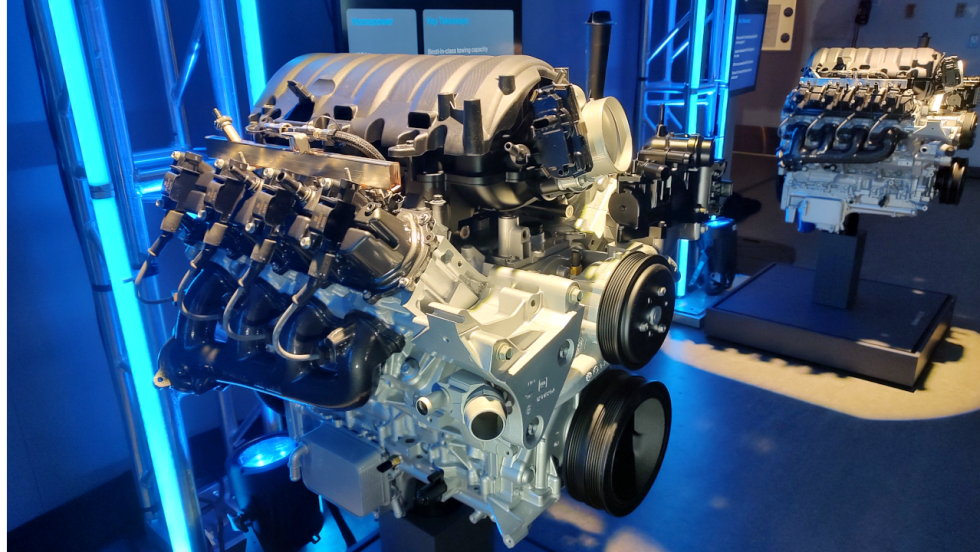
GM Unveils New Sixth-Generation Small Block Engines for 2027 Light-Duty Pickups
General Motors unveiled two new small-block engines, backed by extensive real-world validation and more than 70 years of small-block V8 manufacturing experience, as part of the engine portfolio for the 2027 Chevrolet Silverado 1500 and GMC Sierra 1500.
Read More →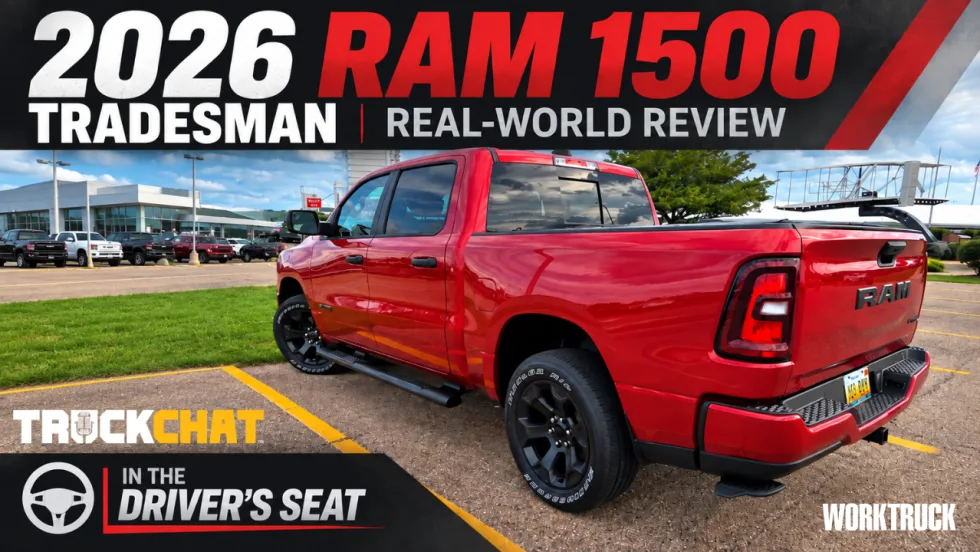
2026 Ram 1500 Tradesman Put to a Real-World Fleet Test
A few days behind the wheel of a 2026 Ram 1500 Tradesman turned into a test of visibility, parking, work-ready features, and even severe-weather driving.
Read More →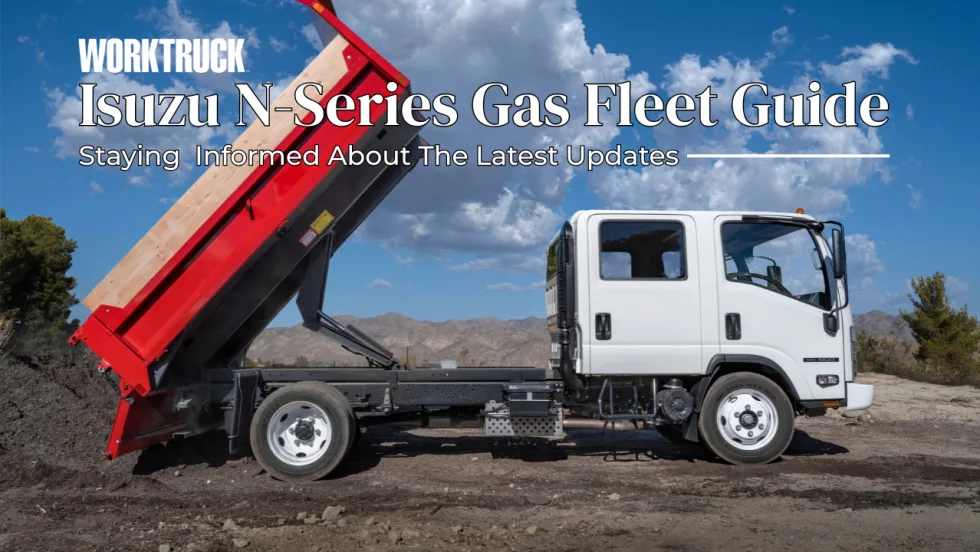
Isuzu N-Series Gas Fleet Guide: Specs, Capability and 2027 Model-Year Updates
Explore Isuzu Truck North America’s N-Series Gas fleet specs, engine performance, GVWR and payload capability, configurations, chassis dimensions, work-focused features, and 2027 model-year information.
Read More →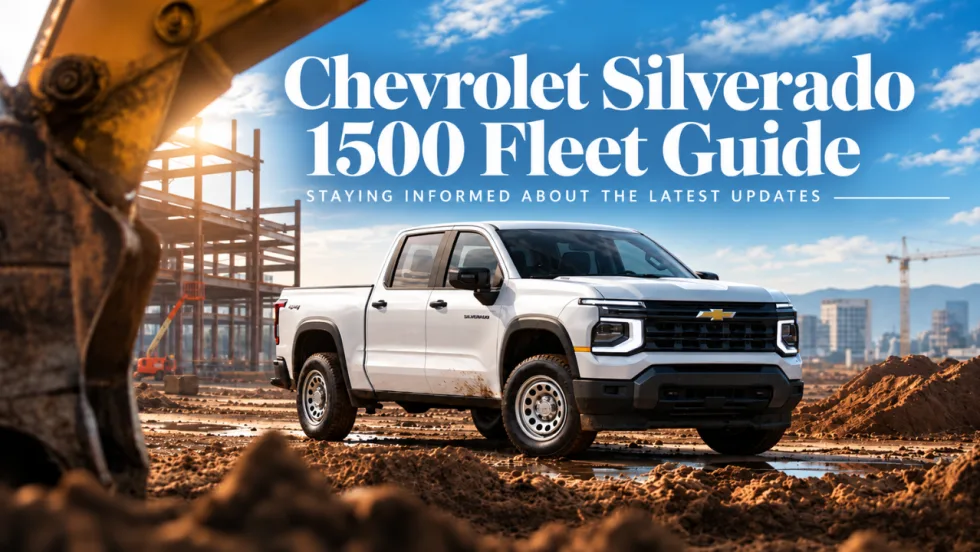
Chevrolet Silverado 1500 Fleet Guide Specs Capability and 2027 Model-Year Updates
The next-generation 2027 Chevrolet Silverado 1500 brings new V-8 engines, updated technology, expanded safety features, and a fleet-focused Work Truck. Here’s what commercial fleets need to know so far.
Read More →
Ram ProMaster City Fleet Guide Specs Cargo Capacity and 2027 Updates
Work Truck’s Ram ProMaster City Fleet Guide tracks the latest specifications, cargo capability, configurations, fleet technology, pricing, and model-year updates for Ram’s mid-size commercial van.
Read More →
Ford F-150 Fleet Guide Specs Capability and 2026 Model-Year Updates
Explore 2026 Ford F-150 fleet specs, engines, towing and payload capability, configurations, work features, technology, and model-year updates.
Read More →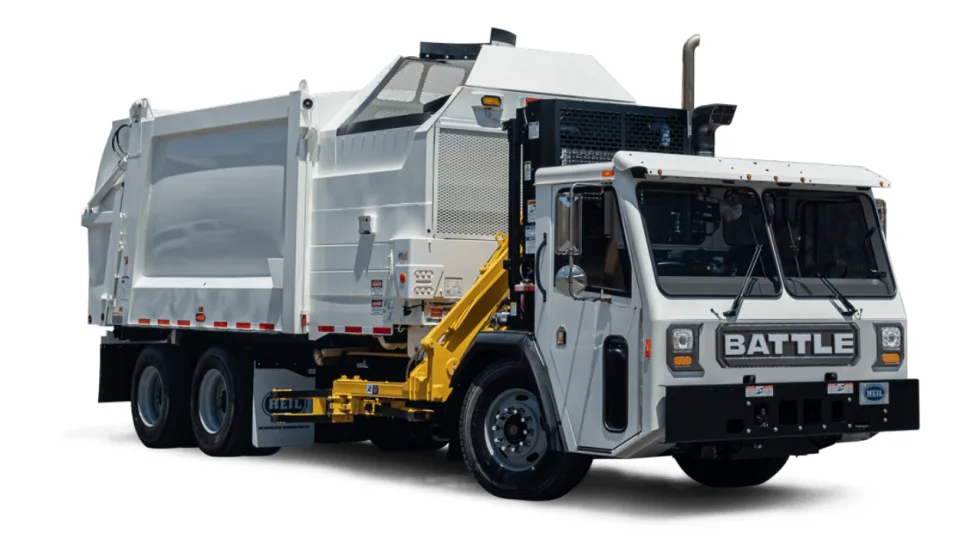
TCI Now Sells & Supports Battle Motors’ Vocational Trucks
Midwest truck dealer Truck Centers, Inc. (TCI) has expanded its transportation solutions with sales and service support for Battle Motors’ heavy-duty vocational trucks at locations in locations in Indiana, Illinois, and Missouri
Read More →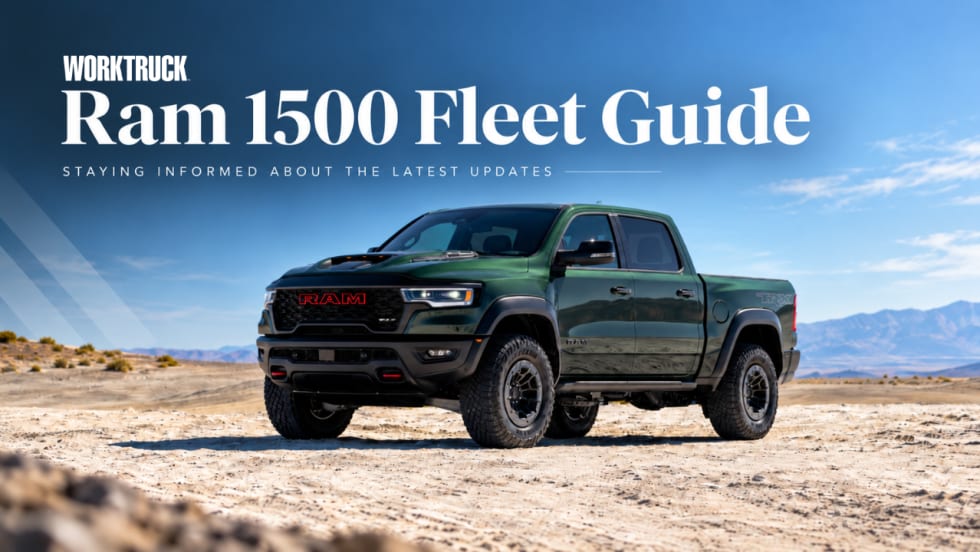
Ram 1500 Fleet Guide Specs, Capability and 2027 Model-Year Updates
Explore always up-to-date Ram 1500 fleet specs, engines, towing and payload capability, configurations, technology, pricing updates, and model-year changes.
Read More →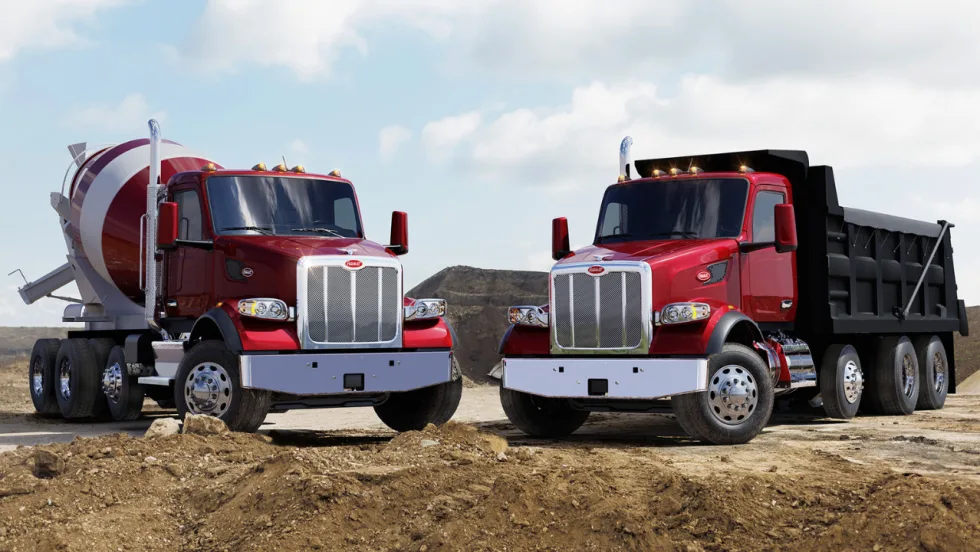
Peterbilt Trucks Equipped with Paccar TX-18 Pro Boost Efficiency for Maryland Fleet
Patuxent Companies is replacing aging trucks with the Peterbilt Model 567 and Model 589, specified with the Paccar TX-18 Pro 18-speed automated transmissions, and is reporting an 8% to 10% improvement in fuel economy.
Read More →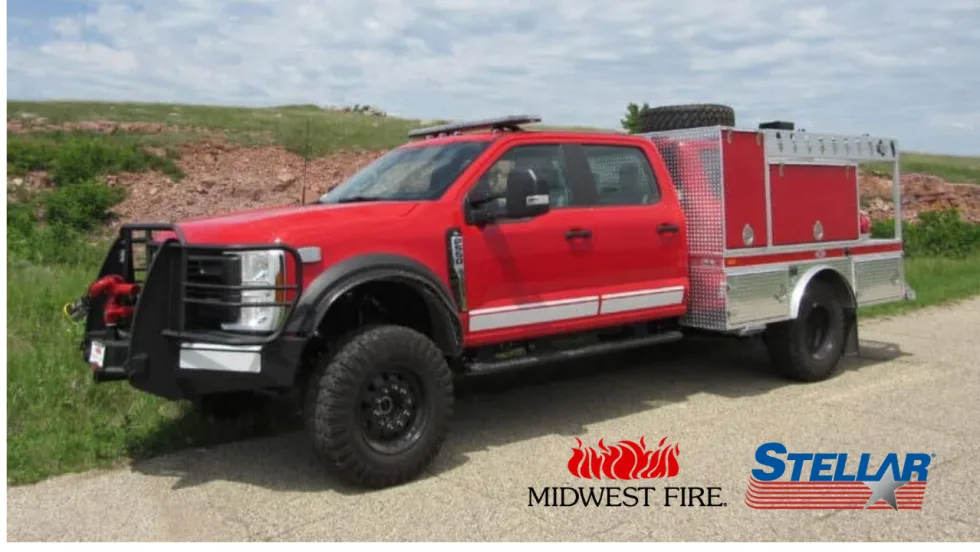
Stellar Expands into Fire Apparatus Market with Acquisition of Midwest Fire
Stellar Industries has acquired Midwest Fire, a custom fire apparatus manufacturer headquartered in Luverne, Minnesota, with nearly four decades of specialized apparatus experience.
Read More →