




Battery-Electric Ford F-59 Van in Production
A battery-electric Ford F-59 van powered by SEA Electric's power system is in production at Ford's

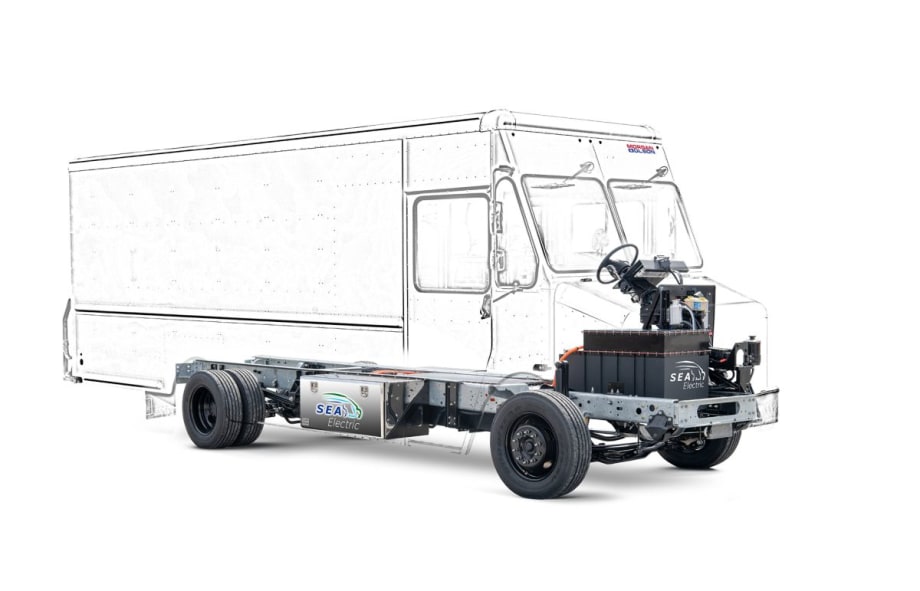
The battery-electric chassis will be built on a Morgan Olson walk-in van body.
Photo courtesy of SEA Electric
SEA Electric announced the first 100% electric Ford F-59 van is in production at Ford's Detroit Chassis Plant. The F-59 EV is being built on a Morgan Olson Walk-In van body and will be deployed in the Fall for delivery routes in the greater Detroit area with a leading package delivery company.
The van will be powered by a SEA Drive 120b power system and offers 150kW of continuous power and 250kW maximum power, and 2,500 Nm maximum torque. Boasting a range of up to 220 miles, zero emissions, fewer moving parts, and lower running costs, this 100% electric van is ideal for short stop-start delivery runs.
Charge time for the batteries is four to dic hours using a 19.2kW single-phase 240V on-board charger.
"We’re confident the fleet customer will love the overall performance of this SEA-Drive powered delivery van. We anticipate a very successful trial which will lead to substantial follow-on orders from fleet customers within the next 6- 12 months," said David Brosky, regional director for SEA Electric.
SEA Electric is an Australian automotive technology company that develops 100% electric-powered vans, commuter buses, and light/medium-duty rigid truck models. The company works closely with American truck companies and brands to engineer and locally assemble SEA Electric power-systems to their models.
More Sustainability
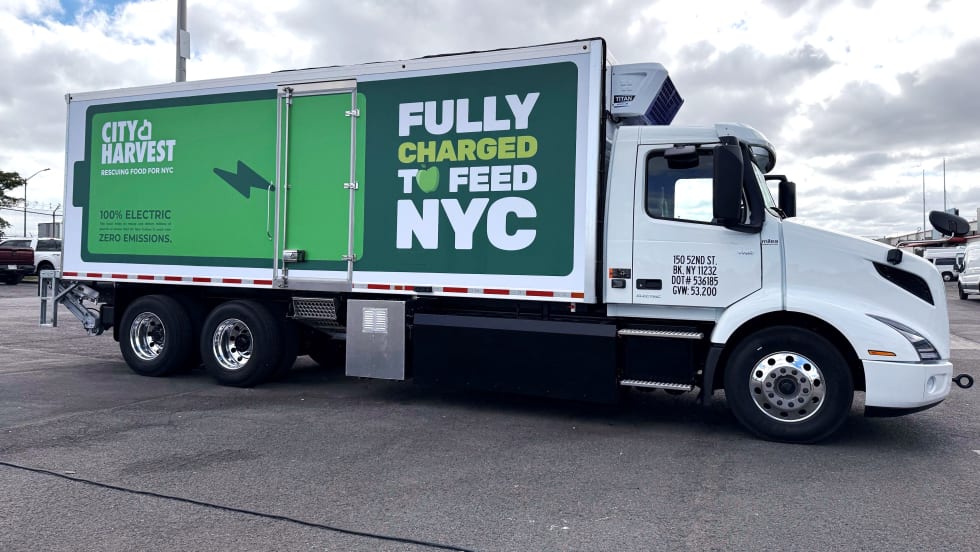
City Harvest Begins Using Volvo VNR Electric Trucks to Rescue Food Across New York City
Volvo Trucks North America and the Bronx Is Breathing project team handed over three new Volvo VNR Electric trucks to City Harvest, which will use the trucks to rescue and deliver food throughout the Bronx and across all five boroughs of New York.
Read More →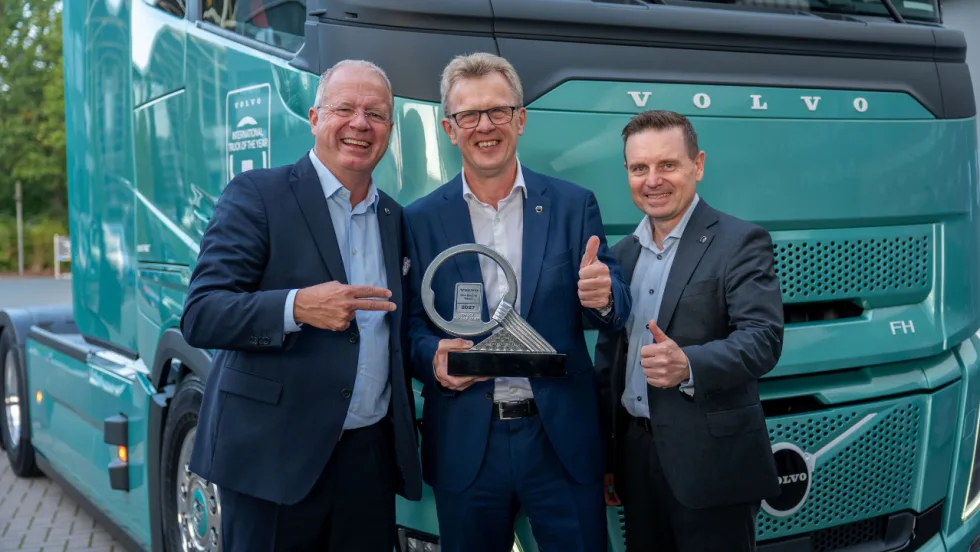
Volvo Trucks Wins International Truck of the Year 2027 for its Global Electric Range
Volvo Trucks' global heavy-duty electric range has been named International Truck of the Year 2027. Since 2019, more than 7,000 electric Volvo trucks have driven more than 310 million miles worldwide.
Read More →
Fleet Forward Conference Introduces One-Day Passes for 2026
New one-day registration gives fleet professionals the flexibility to attend Tuesday, Wednesday, or Thursday, with passes available for $199 through Sept. 18.
Read More →

CALSTART Rebrands as Catalyst Mobility, Will Combine with Forth in 2027
CALSTART has rebranded as Catalyst Mobility and will combine with Forth at the start of 2027. The new organization said it is poised to become one of the world's largest, strongest, and most impactful clean transportation nonprofits.
Read More →
Electric Truck and Charging Programs to Boost Sustainability at NY & NJ Ports
Together, the Port Authority of New York and New Jersey and CALSTART will electrify drayage and terminal operations serving the East Coast’s busiest container port. A pair of incentive programs totaling $45 million has launched to accelerate adoption of zero-emission drayage trucks and terminal tractors.
Read More →
The Smart Way to Build a Mixed-Energy Fleet Isn’t About Picking a Side
Mixed-energy fleets aren’t about picking a winning fuel. Sarah Booth of WEX explains how vehicle data, duty cycles, charging strategy, and real-world costs can help fleets choose the right energy source for each job.
Read More →
Xos Hub Surpasses One Gigawatt-Hour of Energy Delivered in the Field
A single Xos Hub has surpassed one gigawatt-hour of energy across more than 33,600 charging sessions in the field, demonstrating performance that supports Xos' expansion across new products and markets.
Read More →
Carrier Transicold Launches All-Electric Vector 8200 TRU for Diesel-Free On-Site Cold Storage
Carrier Transicold’s first engineless multi-temperature TRU helps fresh- and frozen-food fleets add supplemental cold storage capacity during seasonal peaks.
Read More →
Narro Trucks Introduces Electric Utility Vehicle
Narro Trucks officially launched its operations on Aug. 20 and hosted a ride and drive to showcase its electric truck, which will be produced in Virginia.
Read More →
Samsung SDI Takes Full Control of GM Battery JV as Indiana Plant Pivots to Energy Storage
Samsung SDI is taking full control of its Indiana battery plant with GM, marking a major shift from the EV-focused joint venture Charged Fleet first covered in 2023.
Read More →