




How to Deal With Extreme Heat
High temperatures can lead to engines overheating, breakdowns, and tire blowouts. Here are nine tips for managing this hazard.

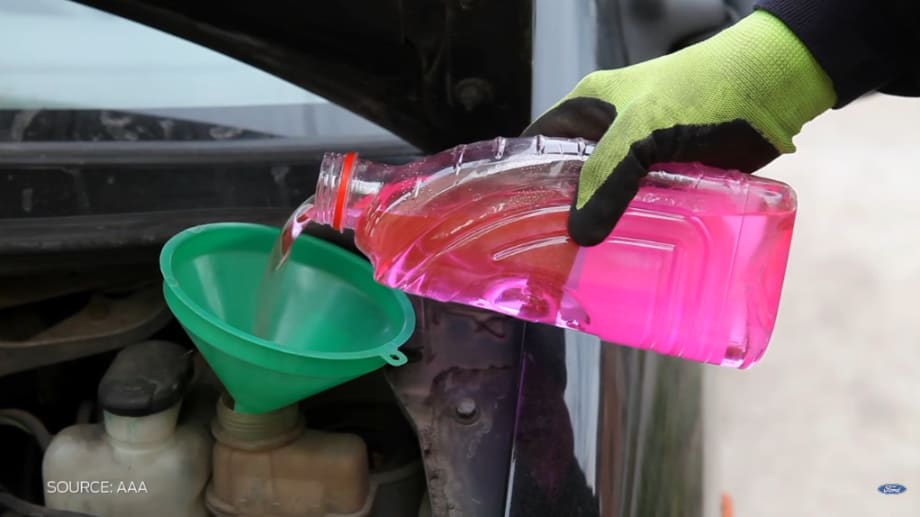
Adding coolant to a vehicle's cooling system is one way to keep a fleet vehicle running smoothly in extreme heat.
Screenshot via Ford/AAA.
Across the nation, temperatures have been soaring this spring and summer. June went down in the history books as the hottest in 140 years, according to the National Oceanic and Atmospheric Administration's (NOAA) National Centers for Environmental Information.
Extreme heat can wreak havoc on vehicles and create dangerous situations for commercial drivers. High temperatures can lead to engines overheating, breakdowns, and tire blowouts. Make sure to remind your drivers about critical steps they can take to protect their vehicles and themselves during debilitating heat waves.
Experts offer the following nine tips:
1. Check the Battery
Heat evaporates battery fluid more quickly, so check your vehicle’s battery during the summer to ensure it is not corroded.
2. Watch for Warning Lights
The alternator replenishes the battery but when subjected to heat and constant air conditioning it gets pushed to the max. Make sure to watch the battery warning light on the dashboard and if it does not disappear, make sure to get your battery tested.
3. Keep Your Cooling System in Shape
Engines work overtime when the temperatures rise. Periodically flush and replace coolant and check your oil regularly.
4. Properly Inflate Tires
During a summer hot spell, asphalt roads can get as hot as 140 degrees. When underinflated tires meet hot roads it's a lethal combination — one that raises the risk of blowouts. In the summer months, check tire pressure frequently and make sure to fill them to your vehicle manual's specifications.
5. Park in the Shade
On an 85 degree-day, the interior of a parked vehicle can reach 100 degrees — in just 10 minutes! To keep your vehicle's interior as cool as possible, park in the shade or use sunshades to cover your front window. Leaving your windows open just a tiny bit is also a smart move.
6. Turn on the AC
Once inside a hot vehicle, immediately crank up the air conditioning and adjust the vents to have the air come through the lower openings.
7. Stay Hydrated
Drivers should drink plenty of water while on duty in the summer. Even if you're not feeling thirsty, make sure to keep drinking water.
8. Stop for Breaks
Heat can make drivers drowsy. Make it a practice this summer to pull over and take a break or stretch your legs every few hours.
9. Keep a Survival Kit
In case your vehicle does breakdown on a very hot day, it's smart to have a summer survival kit on board. It should include a fully charged cell phone, sunscreen, a first aid kit, healthy snacks, and extra water.
Originally posted on Automotive Fleet
More Safety & Compliance

Recalls You Need to Know About in November 2026
If you have Altec, Autocar, Battle Motors, Chrysler, Daimler Truck, Ford, General Motors, Kalmar, Mack Trucks, Paccar, Rivian, Terex, Toyota, or Volvo Trucks vehicles in your fleet, you should check these important recalls issued by the National Highway Traffic Safety Administration.
Read More →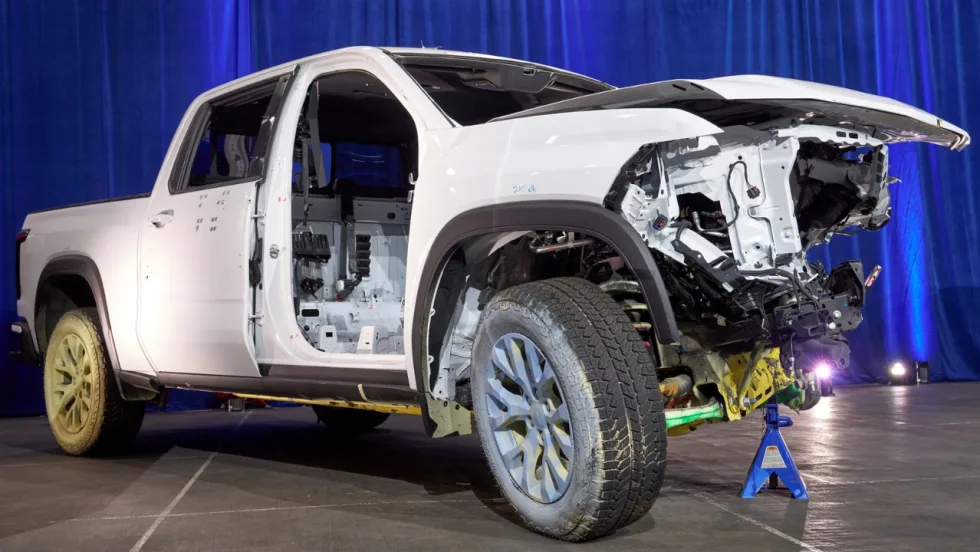
GM Runs 92,000 Virtual Crash Tests to Develop 2027 Chevrolet Silverado 1500
GM used 92,000 simulated crashes to evaluate the 2027 Chevrolet Silverado 1500's safety performance before confirming results through physical testing.
Read More →
Thanksgiving Cargo Theft Risks Put Fleet Security in Focus
J. J. Keller shares cargo theft prevention tips for work truck fleets ahead of Thanksgiving, when parked vehicles and reduced staffing can increase security risks.
Read More →From Our Partners



5 Winter Fleet Videos to Help Keep Trucks Running and Drivers Safe
From preventing cold-weather breakdowns to navigating icy roads, these five videos offer practical winter preparation tips for work truck fleets.
Read More →
Navigating the Effects of Daylight Saving Time on Work Truck Fleets
Discover how daylight saving time impacts work truck fleets and get essential tips for fleet managers and drivers to navigate the "fall back" transition.
Read More →
How Halloween Changes the Job for Work Truck Drivers
Truck traffic doesn’t take the same Halloween break as other drivers. What fleet managers should know about timing, neighborhood stops, and braking data.
Read More →
Tips for Driving Safely on Halloween Night
This video features a reminder from the Connecticut Department of Transportation (DOT) and the Connecticut Police Chiefs Association, urging drivers to prioritize safety this Halloween.
Read More →
Re-rating Gross Vehicle Weight Ratings (GVWR): Why and How it's Done
Sometimes, it is not in a fleet’s best interests to have a vehicle at a given GVWR. Changing the GVWR to a special value can be done, but the process is complicated.
Read More →
When a Work Truck Gets Stolen, the Real Loss Is Time
A stolen work truck can take more than a vehicle off the road. From tools and access cards to crew downtime, here’s how fleets can prepare for theft before it disrupts the entire workday.
Read More →
Volvo Trucks Marks 25 Years as Exclusive Sponsor of America's Road Team
Volvo Trucks North America will serve as the exclusive sponsor of the American Trucking Associations' America's Road Team, marking 25 years of Volvo sponsorship. The group of professional drivers promotes safety and the industry as they travel the country.
Read More →