




How Autozone Moves Parts Around the Globe
The largest auto parts retailer in the world maintains a fleet of nearly 16,000 vehicles across seven continents. To manage it, the company makes sure vehicles are rightsized and well-equipped to handle deliveries.


AutoZone locations are arranged in a hub-and-spoke formation. Larger “hub” stores are stocked with a variety of products, and are surrounded by smaller satellite stores.
Gettyimages.com
As the leading retailer and distributor of automotive replacement parts in the United States, AutoZone’s fleet has a lot to accomplish. The company maintains a fleet of about 16,000 light-duty vehicles used to deliver supplies across the U.S., Mexico, Europe, and Brazil and has to ensure that all are running smoothly.
Clay Gaudet, fleet manager, shared how he manages such a large fleet, from purchasing to fuel.
Delivering to the Network
Most of the company’s vehicle fleet is comprised of cars and light-duty trucks used to deliver parts from stores directly to customers. The company also utilizes vans for deliveries between stores.
All vehicles run on gasoline. The fleet has tested alternative fuels, including compressed natural gas (CNG) and propane autogas. But with low gasoline prices, the fleet has not been able to justify a switch. However, it has considered a return to diesel in a few locations, including Puerto Rico.
AutoZone locations are arranged in a hub-and-spoke formation. Larger “hub” stores are stocked with a variety of products, and are surrounded by smaller satellite stores.
Parts are delivered from distribution centers to stores on a weekly basis, and fleet vans are used to transport products to satellite stores, which carry fewer products and require deliveries multiple times a day to keep shelves stocked.
Working Smaller — and Smarter
Although maintenance is handled by a fleet management company, Gaudet works directly with OEMs for procurement.
Years ago, AutoZone’s fleet was uniform — pickup trucks with AutoZone branding. But it found that it could accomplish the same tasks with smaller vehicles.
“Most of the time people weren’t actually utilizing the truck bed to carry what they’re bringing to our customers. They’d put it on the seat next to them,” Gaudet explained. “Cars and trucks are making the deliveries, the only difference is trucks can deliver things like engines, exhaust systems, rack and pinions, transmissions.”
In addition to shrinking the fleet’s carbon footprint, the smaller vehicles also come with a smaller price tag, reducing acquisition costs.
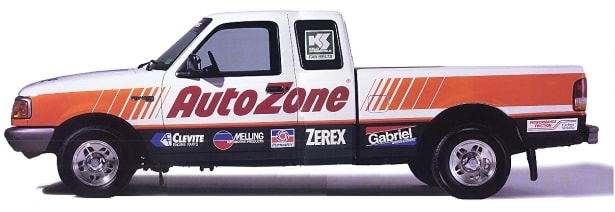
Until 2008, all fleet vehicles were branded with the AutoZone logo. Since branding was removed, the company has saved millions of dollars in accident claims.
AutoZone
In 2011, the company also rolled out telematics, which has improved driver behavior.
“It reduces the amount of accidents that we have from people doing jackrabbit starts and jackrabbit stops — those are the precursors to someone that’s actually going to be involved in an accident,” Gaudet said.
An unexpected benefit was the reduced fuel cost, as drivers were now held accountable for idling.
Despite these achievements, you may not notice as many AutoZone vehicles on the road these days. That’s because the company decided to remove branding from its fleet in 2008.
Vehicle wraps still appear on the company’s tractor-trailer units in AutoZone’s supply chain and the company’s maintenance vehicles. But the rest of its fleet is unbranded, which Gaudet said has reduced accident claims by millions of dollars.
Global Challenges
Working with a global fleet means dealing with different standards. In Germany, for example, the fleet cannot deploy telematics. In Brazil, the company must pay for the driver’s lunch. In some countries, you make one stop to obtain vehicle registration from a federal or state-level agency; in others you have to meet region-specific regulations, which may require multiple steps.
“It’s knowing the idiosyncrasies of each area where your vehicles are located and what you have to do for the employees,” Gaudet said.
This challenge also arises when managing fuel use. Not all countries allow access to the same data. In some cases, the fleet must rely on employees to send receipts for every fuel purchase, which is liable to human error.
Moving Forward
With technology advancing, the future of fleet is not always clear.
But Gaudet is ready for whatever comes next. As a former operations manager with UPS, he’s learned about logistics, and knows to be prepared for what comes next. Gaudet has already planned how the fleet will employ autonomous vehicles once they arrive.
More Maintenance & Uptime
Armor Equipment Strengthens Minnesota Service Capabilities with Acquisition of Dakota Truck
Armor Equipment has acquired Dakota Truck, a medium- and heavy-duty truck and trailer repair business based in Lakeville, Minnesota. The acquisition adds truck and trailer repair expertise, building on Armor’s expansion into the Upper Midwest.
Read More →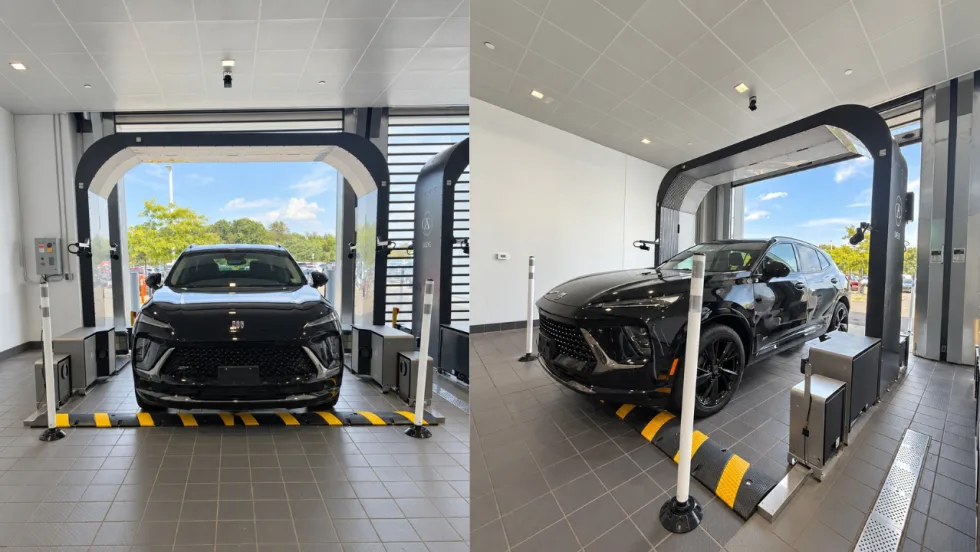
LaFontaine Partners With UVeye to Expand AI Vehicle Inspections in Michigan
LaFontaine is expanding UVeye AI vehicle inspections across Michigan, while UVeye tells Work Truck how the technology can support fleet maintenance and heavy-duty vehicle inspections.
Read More →
Les Schwab Expands Commercial Tire Footprint Into Arizona
Les Schwab Tires has expanded into Arizona with two commercial tire locations in Phoenix and Tucson, strengthening its fleet service footprint in the Southwest.
Read More →From Our Partners

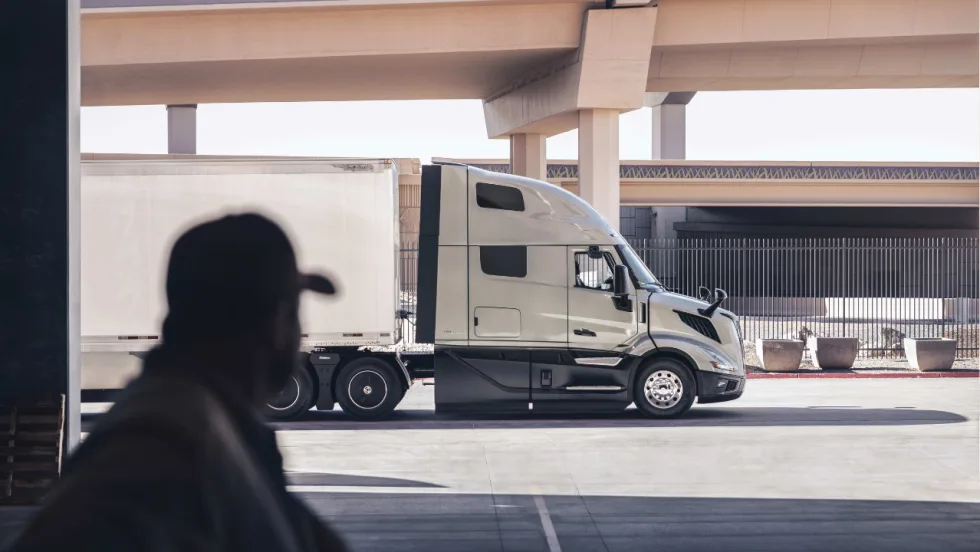
Volvo Trucks’ 'Lock and Leave' Software Updates Go Live Across North America
Unattended over-the-air software updates are now available in Volvo trucks across the U.S. and Canada. The new capability lets trucks stay current with the latest software without interrupting operations or requiring a dealership visit.
Read More →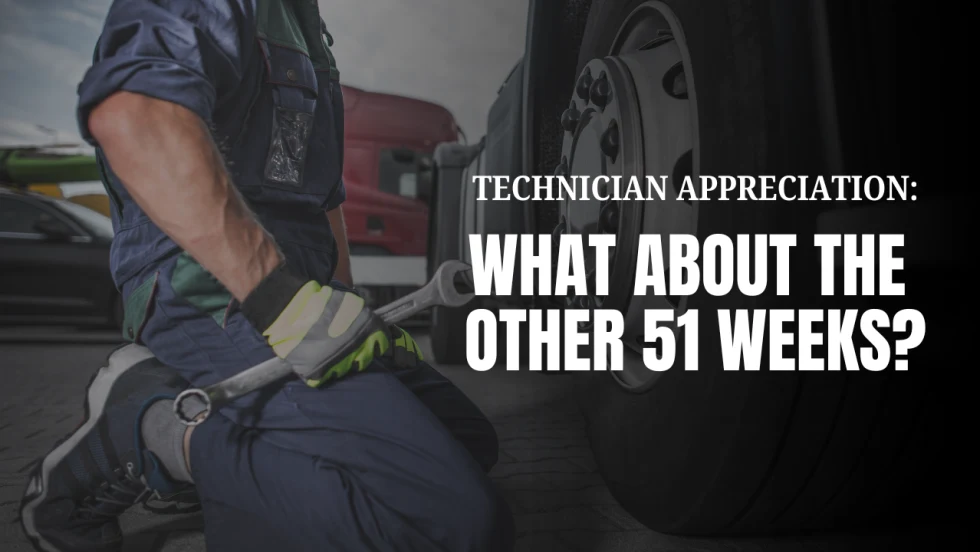
Why Technician Appreciation Can’t Be a Once-a-Year Thought
For fleets trying to keep skilled technicians, recognition cannot begin and end with Technician Appreciation Week. Learn what year-round appreciation really looks like and why the everyday technician experience matters just as much as pay when fleets are trying to keep good people.
Read More →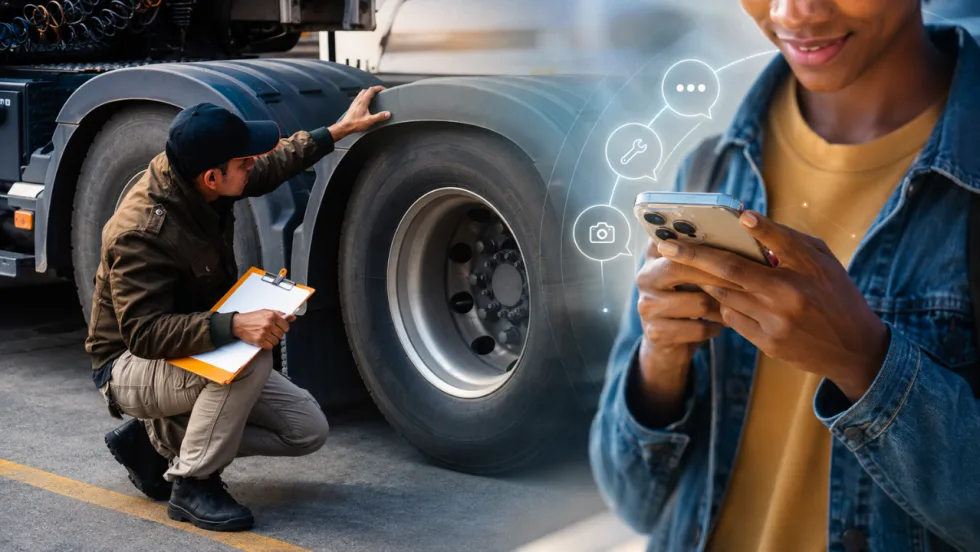
How Faster Driver Reporting Can Keep Small Truck Problems Small
When minor damage, warning lights, or equipment issues are reported late, small problems can quickly become bigger maintenance headaches. Conversational AI can help shorten the path from what a driver notices in the field to the person who can act on it.
Read More →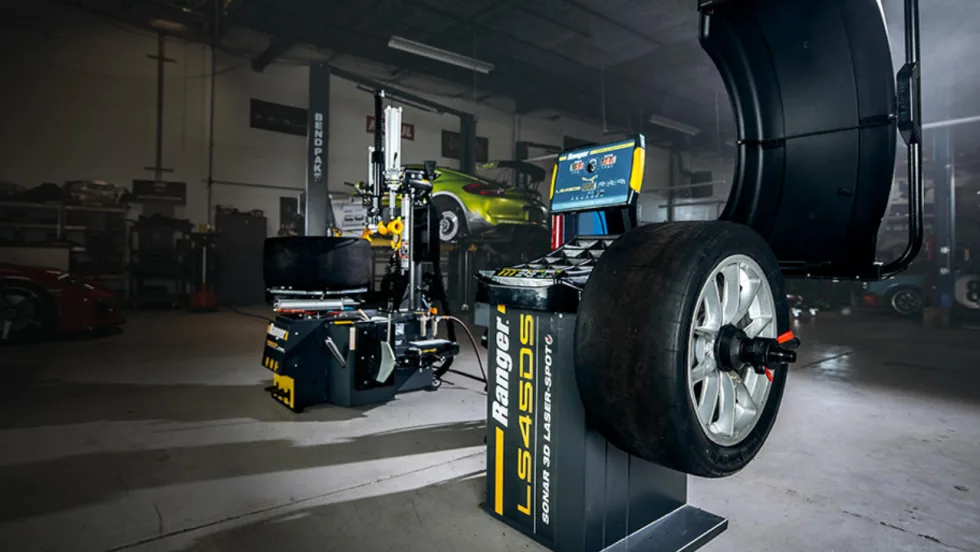
BendPak’s Ranger Wheel Service Equipment Achieves North American Safety Certification
BendPak’s full line of Ranger tire changers and wheel balancers has been ETL certified to UL and CSA standards to improve operator safety.
Read More →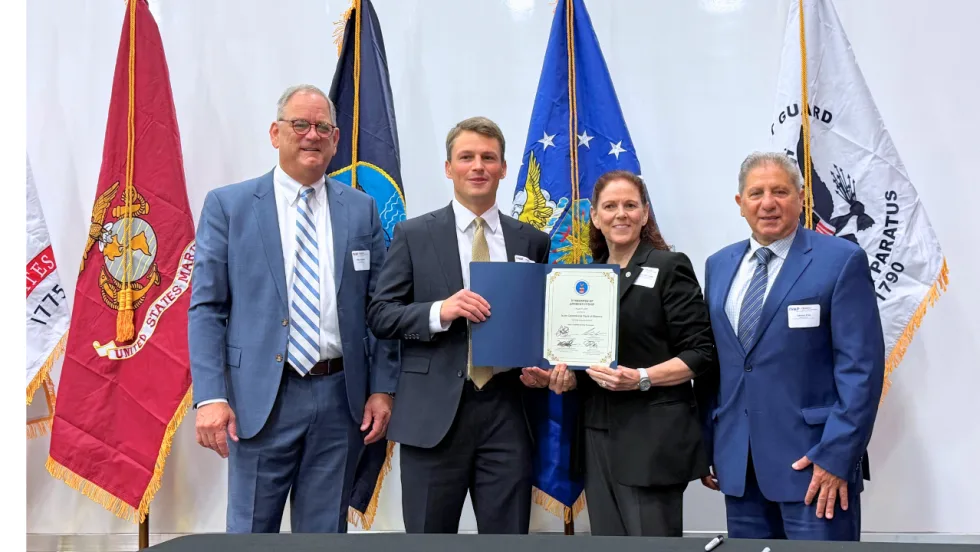
Isuzu & U.S. Department of Labor Celebrate Milestone for Veterans Apprenticeship Program
The Isuzu Veterans Apprenticeship Program (IVAP) signing ceremony highlighted Isuzu’s long-term commitment to veterans, Isuzu dealers, and the skilled workforce supporting its customers and the commercial transportation industry.
Read More →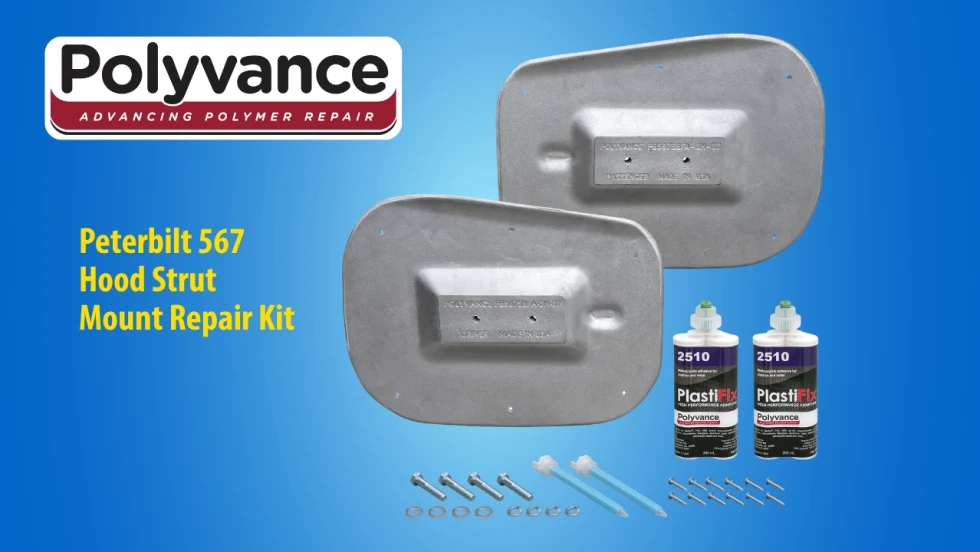
Polyvance Introduces New Peterbilt 567 Hood Strut Mount Repair Kit
Polyvance has launched a repair solution for Peterbilt 567 hood struts, helping truck owners and repair facilities avoid costly hood replacements.
Read More →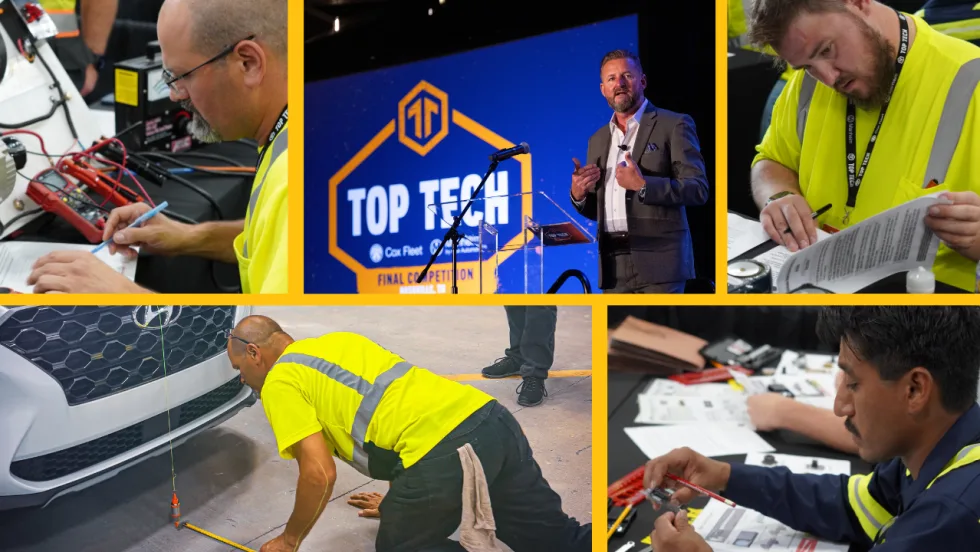
Cox Automotive Celebrates Technical Excellence at 2026 Top Tech Finals
The top technicians from Cox Fleet and Manheim tested their skills in Nashville, Tennessee, at Cox Automotive’s 2026 Top Tech Finals. The overall winners will advance to compete at the American Trucking Association’s TMC SuperTech competition.
Read More →