





Digging Deeper: Economics of Vans vs. Pickups
Cab-Forward vs. Cutaway Van: Which is Better for Delivery Fleets?
The choice of one truck type over the other depends on a fleet’s needs. Answering some key questions can make the decision easier.
September 6, 2011
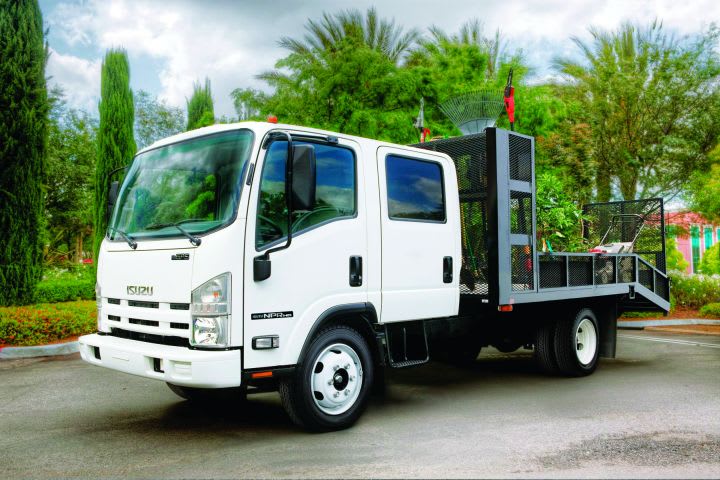
While both types of chassis can be used for delivery applications, each offers its own set of strengths and limitations. The question is: Which type - cab-forward or van cutaway - would work best for a delivery fleet?
Photo: Isuzu Commercial Truck of America
6 min to read
What truck chassis is better for your fleet? It depends on several factors.
A cab-forward chassis (also known as cab-over or tilt cab) is designed with the cabin sitting directly above or over the front axle and engine compartment. Since the engine is underneath the cab, there's no need for a front overhang (hood), giving the truck a flat front end, from the top of the front bumper to the top of the cab.
In contrast, a cutaway van chassis is built with the cabin located behind the front axle and engine compartment. Unlike the cab-forward cabin, the cutaway cabin has no permanent backing.
Instead, the cabin is open immediately behind the driver seat, essentially "cutaway" from the rest of the van. It's ready for a secondary manufacturer to install a body that encloses the cabin and completes the truck. This open configuration allows for direct, unfettered access from the passenger compartment into the cargo box.
While both types of chassis can be used for delivery applications, each offers its own set of strengths and limitations. The question is: Which type would work best for a delivery fleet? Here are 11 factors to weigh to help answer this fundamental question.
1. Driver Visibility Advantage: Cab-Forward
Both the cab-forward and cutaway configurations offer advantages, but the cab-forward design is the best option in terms of visibility.
"The cab-forward eliminates front-end overhang, increasing visibility and front clearance," said Kim Hearn, vice president, Vehicle Services at PHH Arval.
Bill Byron, senior truck specialist, Donlen Corp., agreed. "Because the driver is actually sitting over the engine compartment closer to the oversized windshield, a cab-forward chassis allows for increased driver visibility," he said. "A cutaway has a standard-sized windshield, similar to a regular cab [pickup] chassis, and the driver sits further back from the windshield or behind the engine compartment. The upside here is that the cutaway would be less susceptible to rock chips in a rural-type operation."
2. Delivery Location and Route Type Advantage: Mixed
Are deliveries mostly made in city or rural locations? "A cab-forward chassis performs best in city delivery applications due to the tighter turning radius of the cab," advised Byron of Donlen. "If the bulk of a company's customers are located in rural areas where a tighter turning radius would be less important, the cutaway would be a good option."
Also, the cutaway tends to work better in long-distance delivery routes, which require significant amounts of highway driving, because it offers higher top-end speeds and a smoother, more comfortable ride.
3. Seating Capacity Advantage: Cab-forward
What is the maximum number of employees, including the driver, the vehicle will need to carry at any given time? A cutaway van chassis is limited to a two-person seating capacity, including the driver.
Cab-forwards offer two cab configurations: regular cab (three-person capacity) and crew cab (seating up to six). If deliveries require more than two people, the cab-forward is the better fit.
4. Cab-to-Cargo Access Advantage: Cutaway
Does the driver need to access the body area from the cab? "If the answer is 'yes,' the cutaway would be the choice," said Byron of Donlen. "A cutaway body offers an optional sliding door located between the driver and passenger seats, allowing the driver to access the body interior. A cab-forward chassis doesn't offer this option. Instead, access to the body is typically through the rear door [of the body] or by adding an optional body side door."
However, there is a downside of cab access with cutaways. "There is increased noise in the driver's compartment," cautioned Ken Gillies, truck operations manager for GE Capital Fleet Services. "There's also major impact on the temperature control for the driver with the large volume of space in the cargo body that will need air treatment. Proper bulkhead/wall configuration will mitigate this issue."
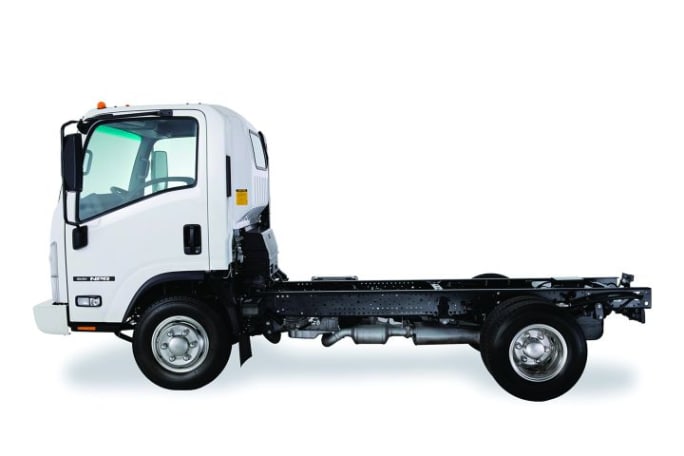
A cab-forward cabin offers two cab configurations: regular cab (three-person capacity, pictured left) and crew cab (seating up to six).
Photo: Isuzu Commercial Truck of America
5. Engine Options Advantage: Cutaway
The cutaway chassis currently holds the edge over the cab-forward design in terms of engine selection, according to Gillies of GE Capital Fleet Services.
"A cutaway chassis more frequently has an option for gasoline or diesel engines. There's also increasing availability in the cutaway OEM space for alternative fuels - compressed natural gas (CNG), propane, and some hybrid offerings," he said. "Cab-forward chassis - while expanding engine options - tend to only offer a diesel engine with a lower probability of gasoline or alternative fuel engine availability."
6. Engine Longevity Advantage: Cab-forward
How long will the vehicle be kept in service? How many miles will the vehicle accumulate? The diesel engine for Isuzu's NPR cab-forward, for example, offers a B-10 rating of 310,000 miles, which means that 90% of these engines are expected to reach that mileage before requiring an overhaul.
Mitsubishi Fuso's FE series diesel engine provides comparable longevity. As a frame of reference, cutaway engines, either gasoline (Chevrolet, GMC, and Ford) or diesel (Chevrolet and GMC only), are rated for approximately 200,000 or fewer miles.
Therefore, if expecting high lifetime mileage for a truck, a cab-forward design clearly has the edge.
7. Engine Maintenance Advantage: Cutaway
A cutaway chassis offers a pickup-type engine compartment where access for maintenance is relatively simple and familiar to most service technicians. In contrast, the cab-forward design needs to be tilted up for access to the engine to perform routine maintenance.
"Although the cab-forward models have been around for years there are some areas of the country where service technicians are still unfamiliar with the chassis," explained Steve Jansen, truck service account executive, Donlen.
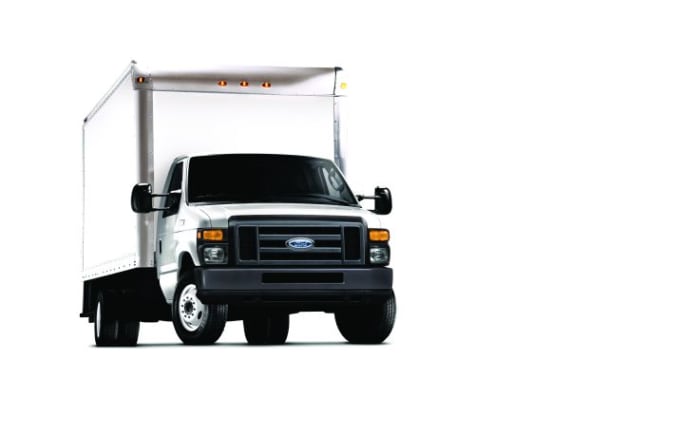
A cutaway van offers the advantage of a smoother ride and convenient maintenance access.
Photo: Ford Motor Co.
8. Size of Dealer and Service Network Advantage: Cutaway
Do various plant or driver locations have dealerships in the area that can perform warranty repairs and normal preventive maintenance?
"Cutaway manufacturers [GM and Ford] typically offer larger dealer networks, increasing the likelihood of a dealer being conveniently located in a driver's area," observed Jansen of Donlen.
Gillies of GE Capital Fleet Services advised that no matter which configuration you choose — cab-forward or cutaway — confirm that there is a repair facility available nearby that is familiar with working on those trucks.
"Where a brand-specific dealer isn't available for warranty, parts, and service, consider how acquainted the repair provider is to your chassis type and what access they have to repair parts," Gillies said.
9. Chassis Order Lead-Time Advantage: Cutaway
Since most cab-forward chassis are manufactured in Japan, there can be unexpected delays due to the logistics of shipping, port conditions, and accessibility to the upfitter.
"The cutaway chassis usually enjoys close proximity to the body company resulting in potential timing gains," said Gillies of GE Capital Fleet Services.
10. Resale Considerations Advantage: Mixed
Which is better for resale purposes? Gillies said much depends on regional demand for each type of chassis.
"A lighter GVW [gross vehicle weight] cutaway chassis allows for a single rear wheel configuration [and thus, a smaller and narrower body]. A cab-forward chassis is only available with dual rear wheels. Depending on regional demand, one or the other may hold a slight advantage in terms of resale," Gillies explained.
One advantage the cab-forward chassis offers is the flexibility to remove the body, which can help increase the truck's resale value.
"The cutaway chassis eliminates the option of separating the body from the chassis to increase the pool of potential buyers. In some cases, the regional market has a higher demand for a cab-forward chassis [with the body removed] versus the cutaway with the body," Gillies added.
11. Maximum Body Length Advantage: Cab-forward
Whereas cutaways are limited to a maximum body length of 16-17 feet, cab-forwards offer body lengths up to 18-20 feet. If the extra cargo capacity is important, then the cab-forward is the better option.
The Bottom Line
Keep in mind that these 11 factors apply only to cab-forward and cutaway chassis up to 14,500-lbs. gross vehicle weight rating (GVWR), the top-end of the van cutaway spectrum. For heavier applications, cab-forwards offer GVWRs up to 19,500 lbs.
Cutaway Van Advantages
Cab-to-cargo access.
Driver comfort.
Service network.
Engine options.
Order lead-time.
Cab-Forward Advantages
Driver visibility.
Maneuverability.
Seating capacity.
Engine longevity.
Maximum body length.
Subscribe to Our Newsletter
More Vehicle Insights
Morgan Olson Launches North America’s Longest Working Step Van Challenge
Morgan Olson has launched North America’s Longest Working Step Van Challenge, a new customer campaign to find the longest-working qualifying Morgan Olson or Grumman step van actively delivering packages for an independent service provider contracted by FedEx.
Read More →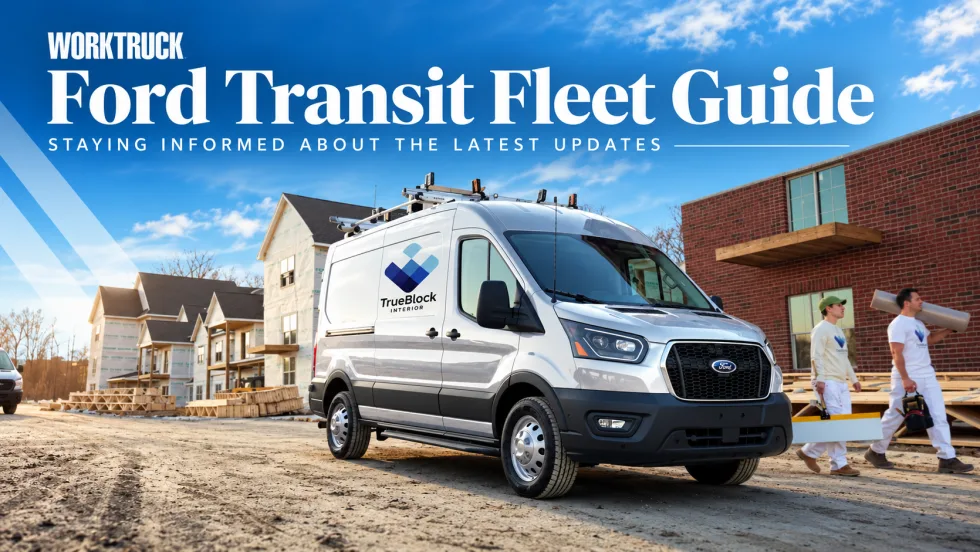
Ford Transit Fleet Guide Specs Capability and 2027 Model-Year Updates
Explore 2027 Ford Transit fleet specs, engines, payload and towing capability, cargo configurations, work features, technology, and model-year updates.
Read More →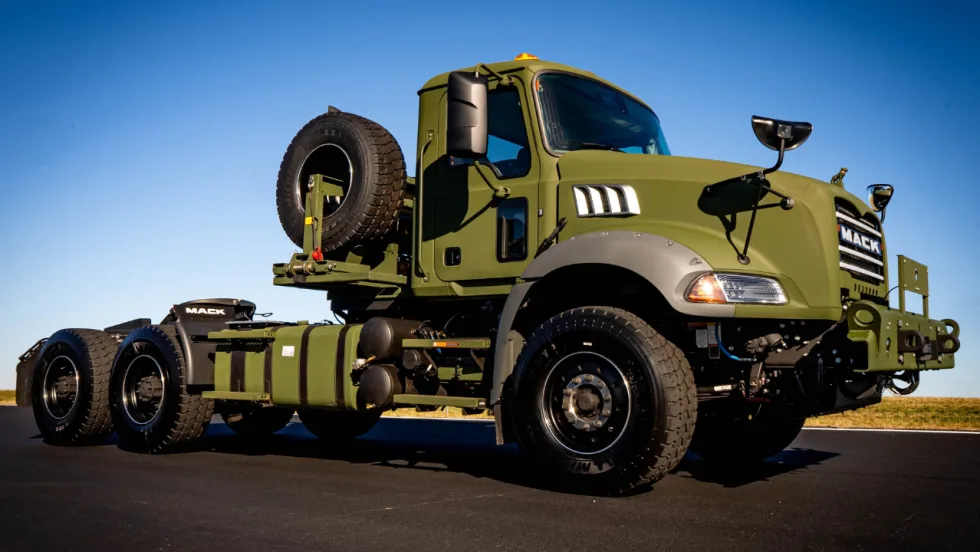
Mack Defense to Spotlight Common Tactical Truck Line Haul Hybrid Tractor During AUSA 2026
Mack Defense was awarded a contract to design, build, and deliver prototype vehicles for the U.S. Army’s Common Tactical Truck (CTT) program. It will show off its line-haul hybrid tractor prototype, based on the Mack Granite, at the 2026 United States Army (AUSA) Annual Meeting and Exposition.
Read More →
Advance Produces 20,000th Front-Discharge Mixer
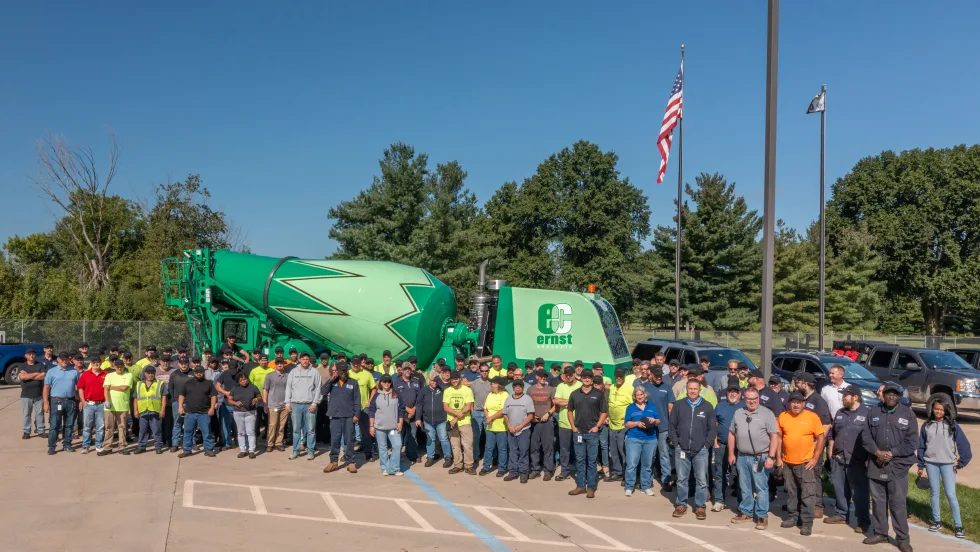
Advance celebrated the production of its 20,000th front-discharge mixer, a Commander Series FD4000 mixer. Jack Willard first developed the original Rite-Way Truck in 1964, and then Advance was established in 1972.
Read More →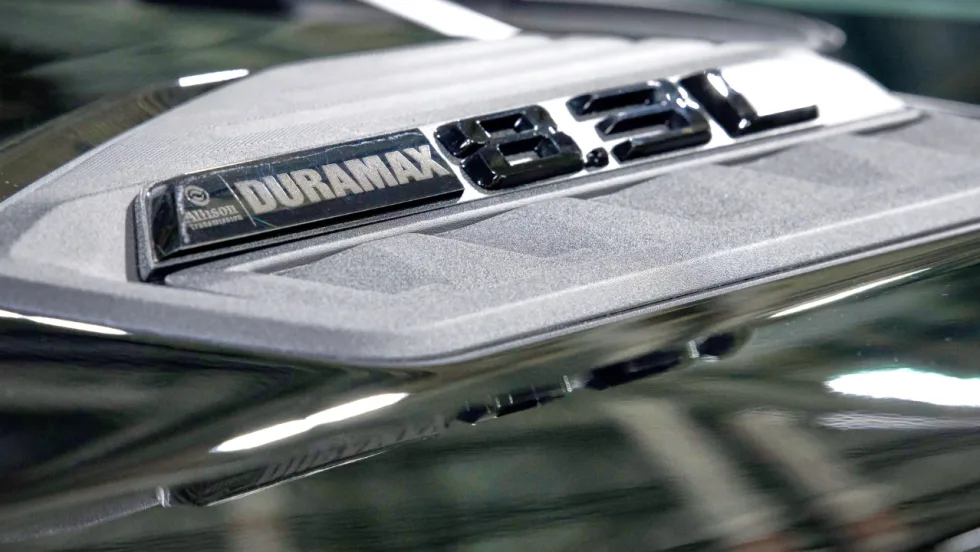
GM Launches Clean Sheet Duramax 8.3L Turbo-Diesel V8 for 2027 HD Pickups
General Motors previewed key updates for its 2027 HD pickup lineup, which will now include a new Duramax 8.3L Turbo-Diesel, electric power steering, and electronic brake boost.
Read More →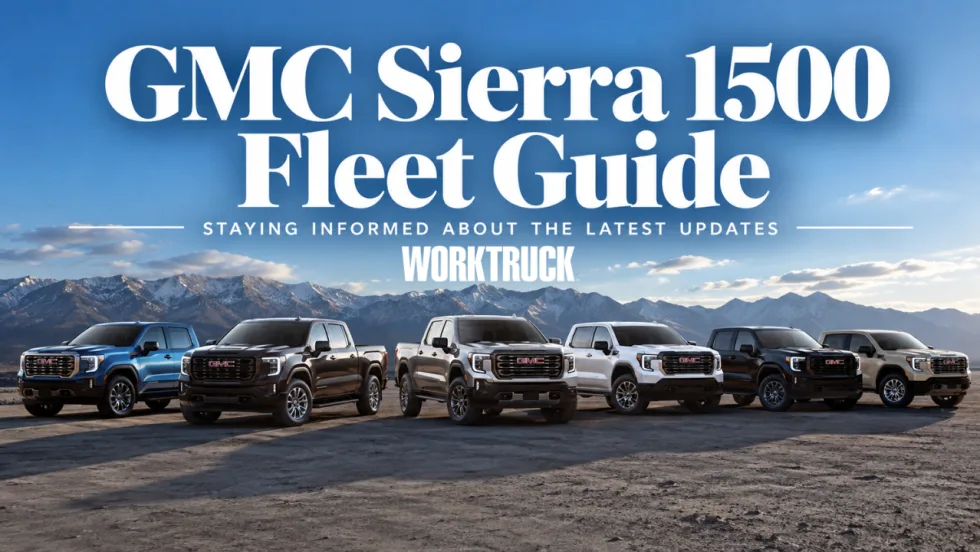
GMC Sierra 1500 Fleet Guide Specs Capability and 2027 Model-Year Updates
The next-generation 2027 GMC Sierra 1500 brings new V-8 engines, more standard safety technology, updated trailering tools, and a work-focused Pro trim. Here’s what fleets need to know.
Read More →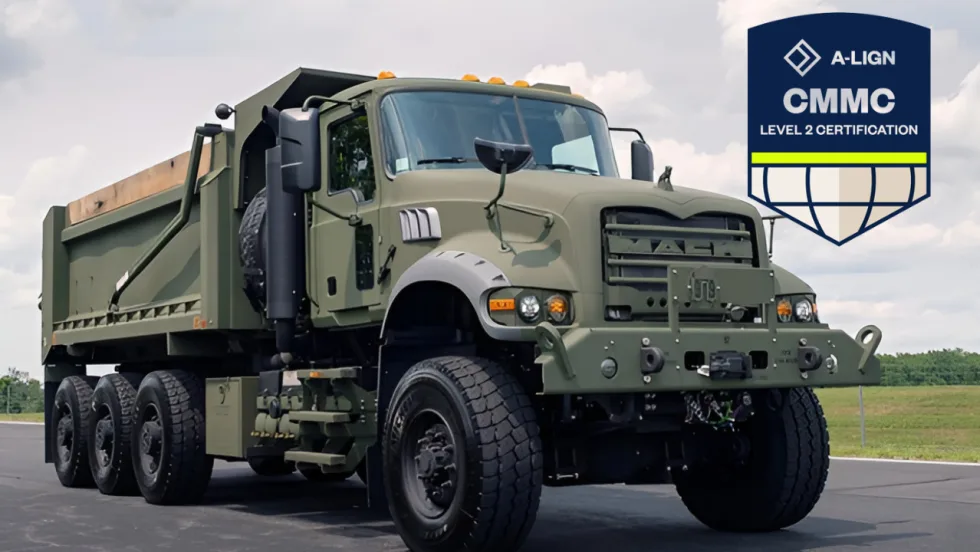
Mack Defense Achieves Cybersecurity Maturity Model Certification Level 2
After an assessment conducted by an authorized Certified Third-Party Assessment Organization (C3PAO), Mack Defense has achieved Cybersecurity Maturity Model Certification (CMMC) Level 2.
Read More →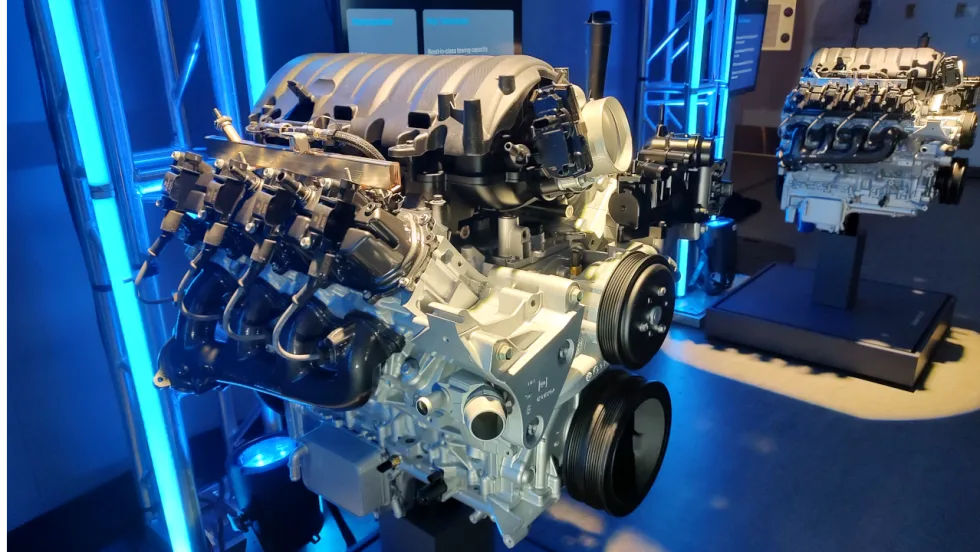
GM Unveils New Sixth-Generation Small Block Engines for 2027 Light-Duty Pickups
General Motors unveiled two new small-block engines, backed by extensive real-world validation and more than 70 years of small-block V8 manufacturing experience, as part of the engine portfolio for the 2027 Chevrolet Silverado 1500 and GMC Sierra 1500.
Read More →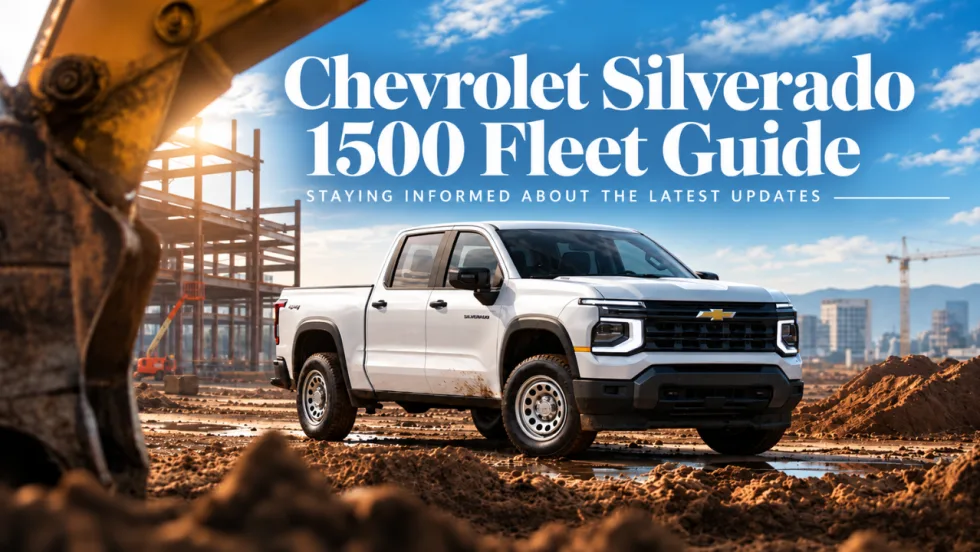
Chevrolet Silverado 1500 Fleet Guide Specs Capability and 2027 Model-Year Updates
The next-generation 2027 Chevrolet Silverado 1500 brings new V-8 engines, updated technology, expanded safety features, and a fleet-focused Work Truck. Here’s what commercial fleets need to know so far.
Read More →
2026 Ram 1500 Tradesman Put to a Real-World Fleet Test
A few days behind the wheel of a 2026 Ram 1500 Tradesman turned into a test of visibility, parking, work-ready features, and even severe-weather driving.
Read More →