





Related: The Reinvigorated Cargo Van Market
Hyundai Could Bring Commercial Van to U.S.
South Korean-based Hyundai announced it's making a big push in the commercial vehicle market, and published reports indicate it plans to introduce a van model into the U.S. market.
February 17, 2015
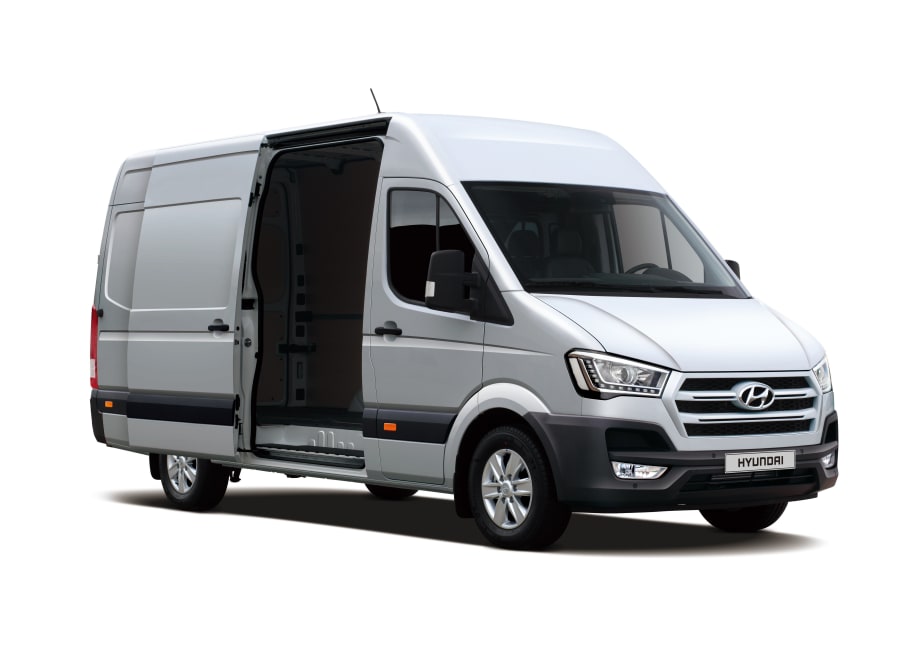
Hyundai is targeting the European market with the new H350. Photo courtesy Hyundai Motor.
2 min to read
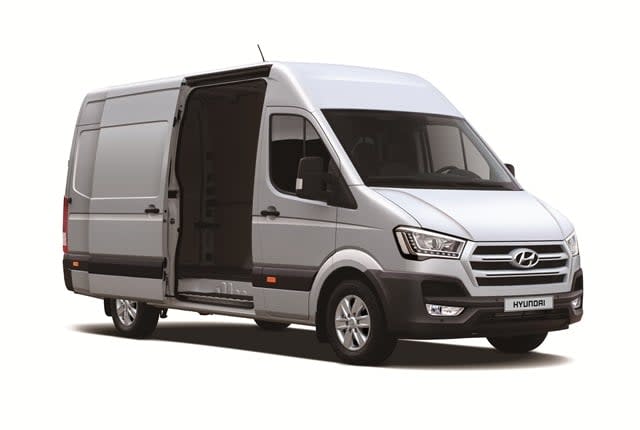
Hyundai is targeting the European market with the new H350.Photo courtesy Hyundai Motor.
South Korean-based Hyundai announced it's making a big push in the commercial vehicle market, and published reports indicate it plans to introduce a van model into the U.S. market.
Hyundai Monday announced that it will invest $1.8 billion over the next six years to expand its research and development in the commercial vehicle market, as well as vastly increase its production of commercial vehicles. Hyundai's current global market share of commercial vehicles is only about 2.1%. It is reported to be aiming at both developed and developing markets.
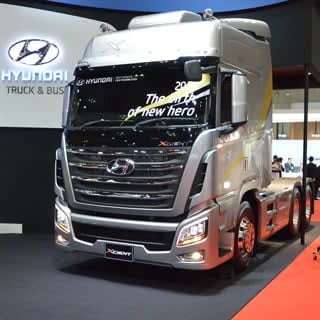
On display at the Tokyo Motor Show in 2013 was the new Hyundai XCient, launched into the South Korean market.Photo by Sven-Erik Lindstrand.
According to a published reports from Reuters and other sources, Hyundai, in a statement on Monday, also said it plans to introduce "premium models in North America and Europe." However, no other details or a time frame were forthcoming.
Hyundai recently started making heavy-duty trucks and tractors for the local market, but it's unlikely we would see a global-style Class 8 tractor here.
However, cargo vans are another story. The U.S. market has seen increasing popularity of Euro-style cargo vans, with models such as the Ford Transit and Ram ProMaster joining Daimler's Sprinter. Last fall at the bi-annual IAA commercial vehicle show in Germany, Hyundai unveiled its H350 light commercial vehicles, which it plans to start building in Turkey in March to enter the Western European market.
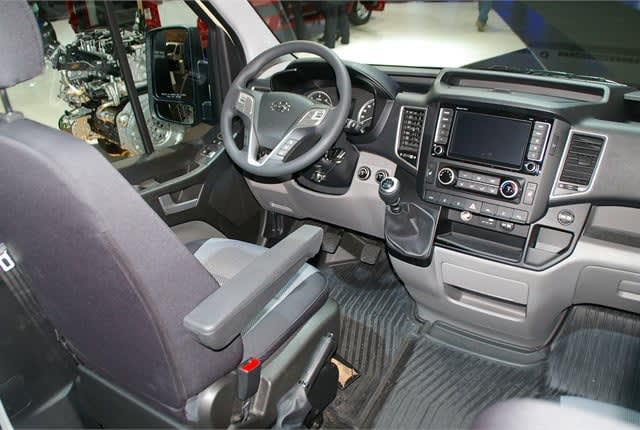
Interior of the H350 at IAA Commercial Vehicle Show in Germany last fall.
At the time the H350 was introduced, Autoblog reported that it looked unlikely the van would arrive on U.S. shores. "While a heck of a vehicle, this isn't anything we are seriously considering right now for the U.S. market," Jim Trainor, Hyundai Motor America's national manager of product public relations, told Autoblog.
However, that may have changed.
It's not the first time Hyundai has tried to enter the U.S. market with a commercial vehicle. In the late '90s, a company named Bering tried to manufacture and import a new line of Class 3-8 commercial trucks in partnership with Hyundai. Bering combined Hyundai's commercial vehicle platforms with U.S.-made drivetrain components.
A 2000 Bering LD15. The now-defunct company produced trucks in partnership with Hyundai.Photo by Mr. Choppers via Wikimedia Commons.
That arrangement ended badly, with Hyundai claiming Bering was unable to meet its warranty, parts and other obligations and had problems paying Hyundai for truck shipments. Bering said it was forced to shut down when Hyundai bailed out of its agreement with Bering in favor of an agreement with DaimlerChrysler. Lawsuits ensued, and in 2001 Hyundai announced it would be marketing a line of Class 4-6 trucks in the U.S. However, Hyundai suspended operations at the end of 2003, citing the difficulties in being a new entrant in a softening and competitive market.
Originally posted on Automotive Fleet
More Operations

NAFA Names 2026 Class of Fellows, Honoring Leaders in Fleet Management
NAFA Fleet Management Association (NAFA) has recognized five fleet professionals by naming them to the 2026 Class of NAFA Fellows. Find out who they are and learn more about their impact on the fleet management profession.
Read More →
Verisk CargoNet Assists in Manhattan Cargo Theft Indictment Targeting Multi-State Impersonation Ring
Verisk CargoNet assisted law enforcement efforts tied to an indictment related to an organized, multi-state cargo theft operation that allegedly took nearly $5 million in stolen goods through impersonation tactics.
Read More →
What Does a Potato Have to Do with Leadership?
From simple process improvements and creative problem-solving to the little moments that strengthen team culture, this conversation dives into the power of unexpected ideas and why innovation doesn't always arrive wrapped in new technology or a major initiative.
Read More →

Looking for a New Podcast for the Road? Start Here!
Looking for a new podcast? Truck Chat delivers fleet leadership insights, industry deep dives, AI discussions, innovations, and real-world stories.
Read More →
Did You Know What You Don't See May Be Costing You Big?
As more employees choose personal vehicles (including hybrids and EVs) for business use, companies face new challenges around visibility, insurance, liability, and cost control.
Read More →
Veteran Voices in Fleet | How Military Service Shapes Fleet Leaders
Across every perspective, one message is clear: the experiences gained through military service continue to influence how veterans contribute to the fleet industry every day.
Read More →
The Fleet Lessons That Don’t Show Up on a Spreadsheet
From index cards to predictive maintenance, Robert Martinez shares the hard-earned leadership lessons that shaped nearly 40 years in fleet.
Read More →
People, Leadership & the Skilled Trades Opportunity | Weekly Cheat Sheet
People, data, leadership, and the skilled trades opportunity. See what's shaping fleets today in this week's Truck Chat Weekly Cheat Sheet.
Read More →
Everyone Thinks They’re a Fleet Manager
From oil changes to procurement decisions, fleet work is often underestimated by the very people who depend on it most. Bob Stanton makes the case for why communication, not just technical expertise, is one of the most important leadership skills in fleet.
Read More →
Sponsored•June 1, 2026
Turning Connected Vehicle Data Into Decisions That Matter
Fleet leaders have more data than ever, but turning that data into clear, actionable decisions remains a challenge. This white paper shows how leading organizations are using connected vehicle data to improve safety, reduce costs, and optimize fleet performance. Learn how to turn insight into action across your fleet.
Read More →