




Nexen Tire Offers Guide to Navigating Winter and All-Weather Tire Choices
Nexen Tire offers tips on choosing between winter-weather and all-weather tires. The primary difference between tire categories lies in how they handle temperature and surface conditions.

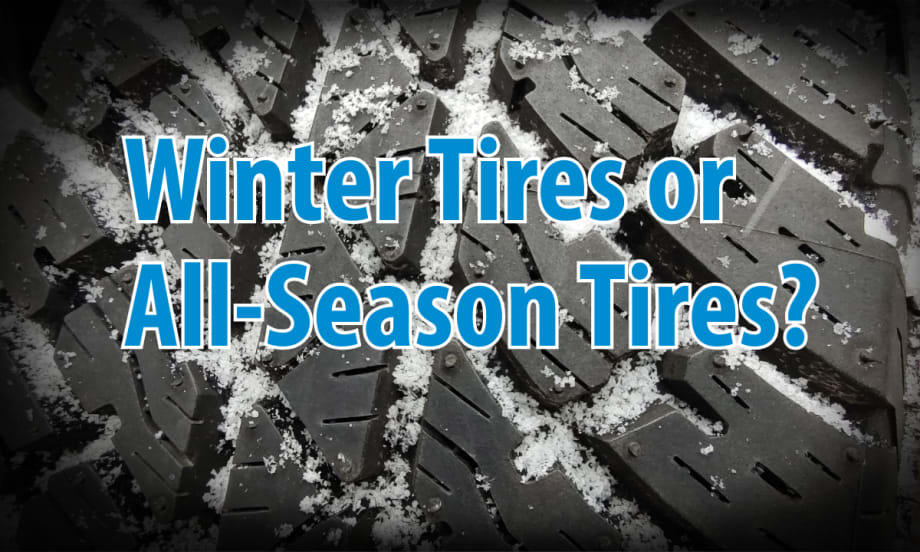
How do you choose between special winter-weather tires or all-weather tires? Here are some answers.
Credit: Wayne Parham/Work Truck
With winter here in full swing, Nexen Tire said it is clearing the confusion around winter tire choices. Here's the reality: most drivers know their tires matter more when temperatures drop, but the choice between dedicated winter tires and all-weather tires may not be clear to everyone.
With cold temperatures reducing tire pressure and tread depth being critical for traction on slick roads, proper tire maintenance is just as important as selecting the right tire for the winter season, Nexen Tire said.
The numbers tell a compelling story. A study conducted by Transport Canada on Quebec's mandatory winter tire law found that universal winter tire usage was responsible for a 5% decline in winter road accident injuries, and a 3% drop in deaths and serious road accident injuries.
Yet according to the Rubber Association of America (RMA), only 16% of drivers in the northern states with similar weather conditions use winter tires, leaving the vast majority potentially unprepared for hazardous winter conditions.
"Nexen conducts rigorous testing during development to ensure every tire meets our performance targets out in real-world conditions," said Aaron Neumann, head of Nexen Tire America's Tech Center. "Different tires have different targets depending on that product’s intended usage. Nexen develops tires well-suited for climbing icy mountain passes and tires better-suited for occasional snow in your daily commute. The goal is to make sure our customers select the right tire for their specific environment and driving patterns. Our winter lineup gives drivers options across the full spectrum, from extreme winter conditions to year-round versatility, so they can feel confident and safe when the roads get difficult."
Understanding Your Winter Tire Options
The primary difference between tire categories lies in how they handle temperature and surface conditions.
Severe Winter Conditions
For drivers facing the harshest winter conditions (think frequent ice, deep snow, and sub-zero temperatures), studded winter tires deliver the highest level of traction and grip on icy roads. Where legally permitted in the US, which varies by state, tires like the Winguard WinSpike 3 feature aggressive tread blocks that help improve braking and acceleration and a rubber compound that stays flexible in even the coldest temperatures.
Moderate Winter Climates
For those who live in more moderate climates that still see snow and cold temperatures, performance studless winter tires like the Winguard Sport 2 offer balanced performance on all types of winter road conditions, including snow-covered, wet, and dry.
This studless design delivers strong winter traction while also excelling in wet and dry conditions. Nexen Tire recommends that drivers who switch to dedicated winter tires for the colder months remember to swap them back out for all-season or summer tires once warmer weather returns, as winter tires wear faster in warm conditions.
Year-Round Versatility
For drivers opting to avoid a seasonal tire swap, premium all-weather tires provide a convenient alternative.
Nexen’s N'Blue 4 Season 2 brings all-weather versatility to passenger cars, delivering confident handling across all four seasons without seasonal changeovers.
For SUVs and light trucks, the Roadian HTX2 is engineered for highway and all-terrain applications, while the Roadian ATX tackles more aggressive off-road terrain with proven all-weather capability – ideal for drivers who need both winter performance and rugged durability. These tires use technologies like patented 3D sipes that enhance traction and snow performance.
To ensure their winter traction capability, these tires have passed the US Tire Manufacturer's Association Three-Peak Mountain Snowflake test requirement, a stringent snow traction test performed under ASTM standards and denoted by a symbol on the sidewall.
Winter Tire Maintenance: The Basics That Keep You Safe
Regardless of the type of tire selected, there are two additional considerations when conducting tire maintenance during the winter months: inflation and tread depth.
Cold temperatures lower tire pressure so drivers should check inflation pressure regularly and adjust to the vehicle’s recommended PSI shown on the placard in the door sill. Under-inflated tires wear faster, reduce fuel efficiency, and can affect your vehicle’s handling or braking.
When it comes to tread depth, the conventional knowledge regarding tire wear-out using Treadwear Indicators in the grooves or the penny check using Lincoln’s head doesn’t apply for winter driving. In fact, Finland requires a minimum of 3mm of tread depth and Germany recommends 4 mm for winter driving – both significantly deeper tread than the 1.6 mm (2/32 in) minimum in the USA.
Nexen Tire said the best rule of thumb is to use your eyes and common sense: visually inspect your tires in the winter to make sure they still have a lot of biting edges visible.
As winter weather approaches, taking the time to choose the right tire technology now can make all the difference in the months ahead.
More Maintenance
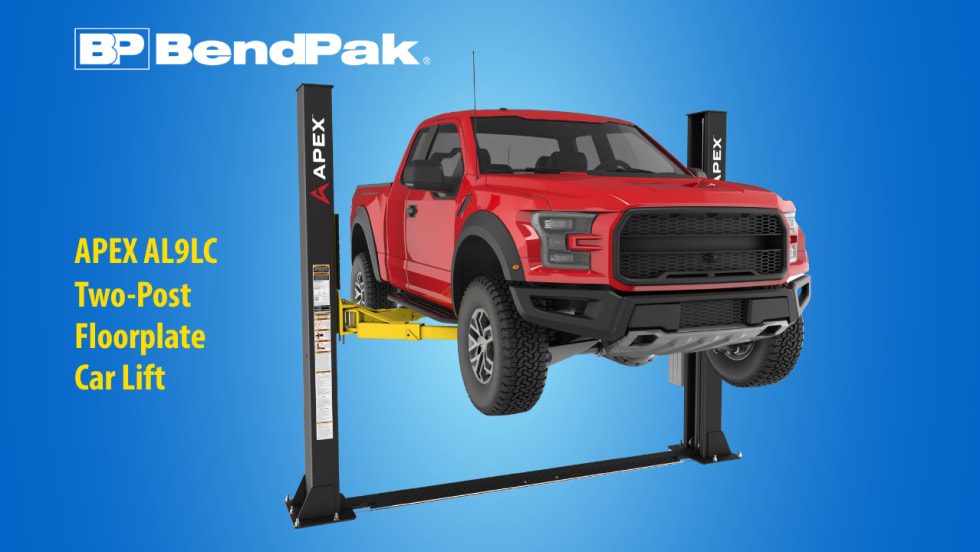
APEX by BendPak AL9LC Two-Post Lift Maximizes Overhead Clearance
BendPak's new APEX AL9LC two-post floorplate car lift maximizes overhead clearance by eliminating the top crossbar found on many two-post lifts, making it a good choice for low-ceiling bays.
Read More →
ASE Education Foundation Receives $25 Million Federal Grant to Put a New Generation of Service Technicians to Work
The U.S. Department of Labor awarded a $25-million grant to the ASE Education Foundation to fund a four-year program to help employers hire and retain new auto, collision, and truck technicians.
Read More →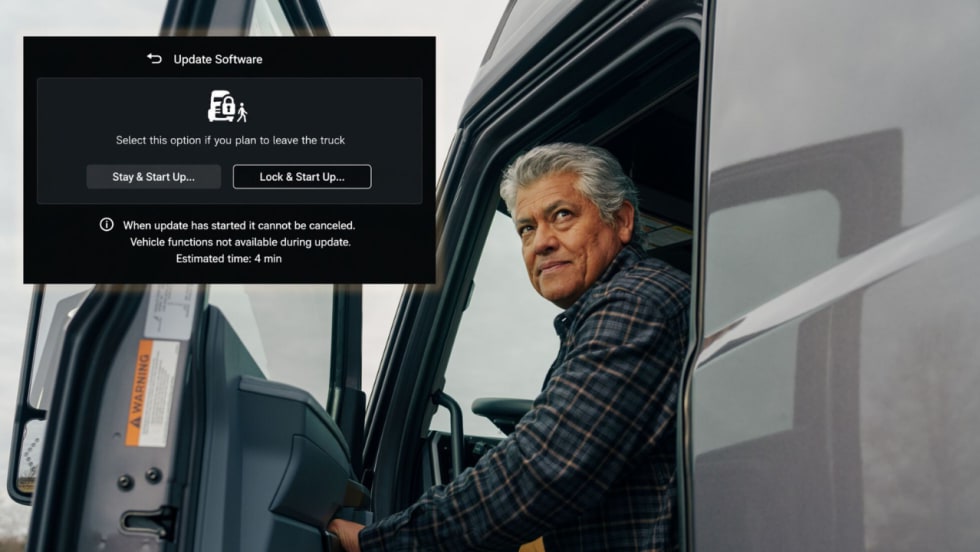
Mack Trucks Adds Lock & Leave OTA Software Updates
Mack Trucks’ new Over-the-Air (OTA) enhancement lets remote software updates complete unattended; simply start the update, lock the truck, and walk away. That means a driver or technician does not have to wait with the truck while the updates take place.
Read More →
Isuzu Launches Veterans Apprenticeship Program to Strengthen Technician Workforce
Isuzu Commercial Truck of America has launched the Isuzu Veterans Apprenticeship Program to offer a pathway for military veterans to become trained as technicians for Isuzu dealerships.
Read More →
ASE Acquires WrenchWay, Expanding Its Role as the Industry's Workforce Platform
The National Institute for Automotive Service Excellence (ASE) acquisition of WrenchWay strengthens ASE’s workforce development efforts and accelerates support for current and future service professionals.
Read More →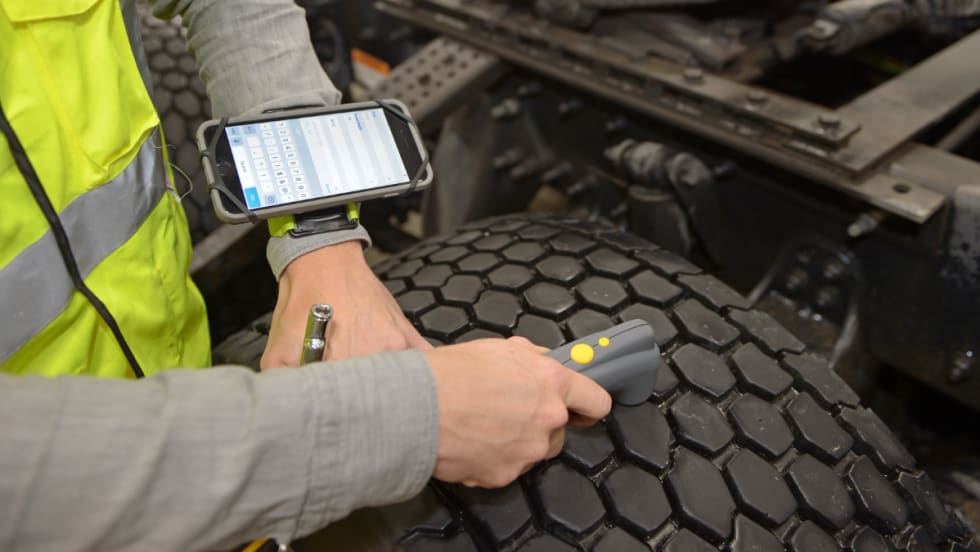
How Connected Tire Technology Is Helping Work Truck Fleets Reduce Downtime
How are fleets using real-time tire data to reduce downtime? Goodyear's Joe Stuglis explains the shift toward predictive maintenance.
Read More →
Beyond Utilization Rates: Smarter Fleet Replacement Decisions
Vehicle replacement decisions affect every aspect of fleet performance, from operating costs to asset availability. This guide explores how fleet leaders use integrated data, benchmarking, and lifecycle analytics to determine the right fleet size and optimize replacement timing with greater confidence.
Read More →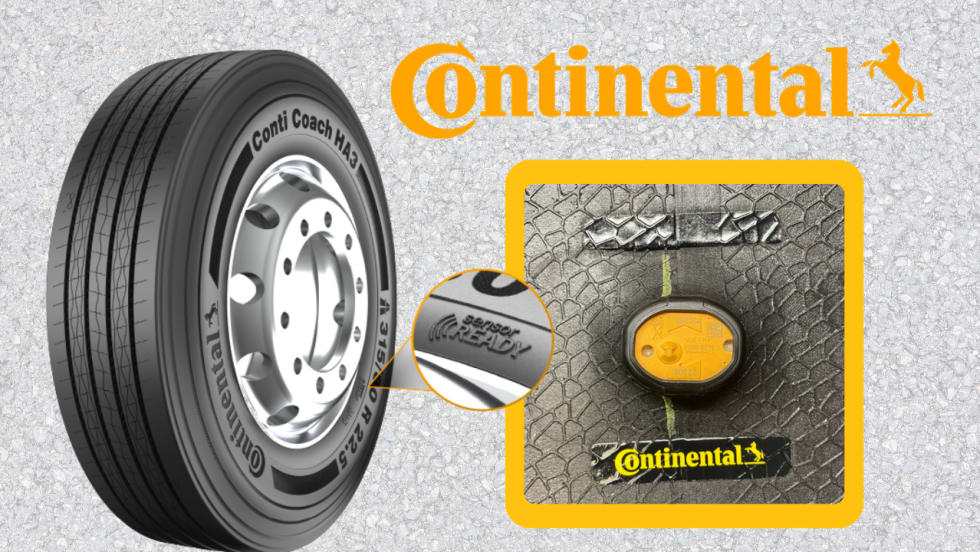
Continental Tires Unveils Sensor Ready Tires to Advance Digital Tire Monitoring
Continental Tires America has launched Sensor Ready tires, which feature an integrated sensor pocket and sidewall logo for identification, and offer faster installation, improved reliability, and reduced labor for fleets and retreaders.
Read More →
Linxup Expands Partnership with Fleetio to Bring Full Maintenance Management to Mid-Market Fleets
A new reseller partnership expands access to Linxup’s real-time GPS and telematics data with Fleetio’s leading fleet maintenance platform.
Read More →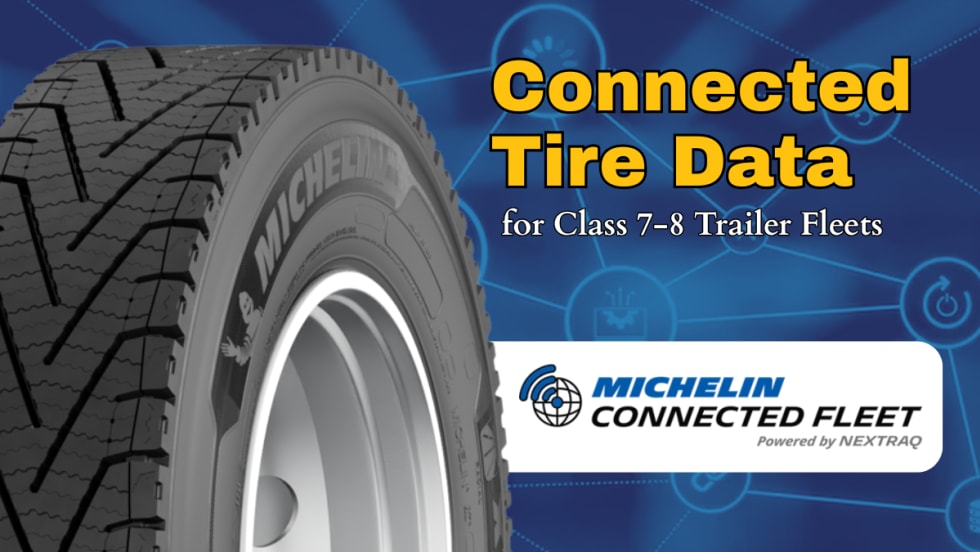
Michelin Connected Fleet Expands Trailer Premium Solution
Michelin Connected Fleet’s Trailer Premium, designed for Class 7 and 8 fleet operators, detects metrics that affect tire longevity and alerts fleet managers to situations requiring tire inspection and/or preventive maintenance.
Read More →