




U.S. Fleets Poised for Electrification, But Hurdles Remain
Data from The Futurum Group shows nearly all work truck fleets plan to adopt EVs by 2027, but gaps in workplace and home charging policies remain a major hurdle to scaling beyond pilots.

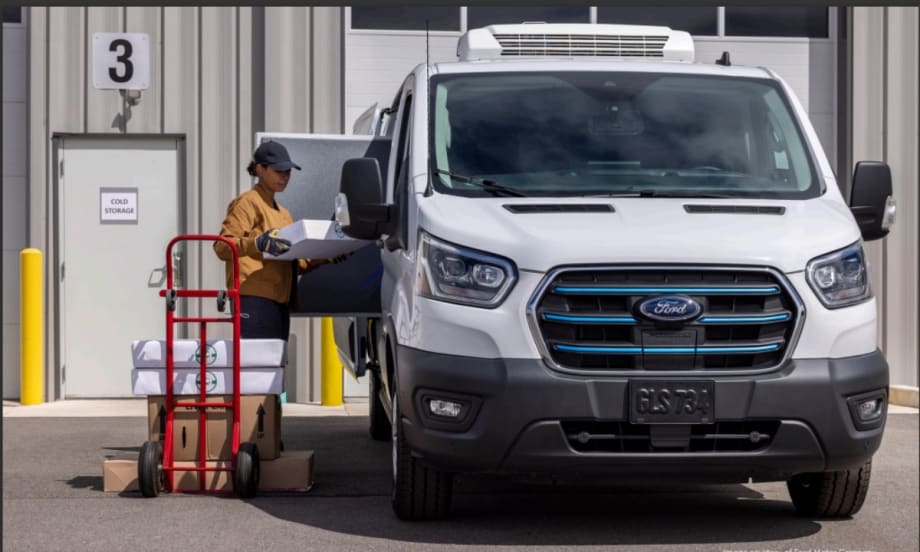
Fleets see EV growth ahead, but new data shows gaps in workplace and home charging policies continue to slow adoption.
Photo: Ford
U.S. work truck fleets continue to prepare for large-scale electrification by 2027, though many organizations are still developing workplace policies for vehicle use and charging, according to new research by The Futurum Group. The study surveyed 165 large enterprises in the U.S. with revenues exceeding $100 million.
Why Workplace Policies Remain a Challenge for EV Adoption
While technical readiness is improving, many organizations are still behind on developing operational guidelines. These gaps haven’t stopped EV adoption but do raise concerns about risk management and consistency:
Only 5% of organizations have comprehensive, up-to-date policies covering take-home EV use and home charging.
41% of companies lack policies governing workplace or at-home charging.
More than a third of enterprise leaders prevent employees from taking company EVs home, citing financial and operational complexities.
How Home Charging Can Accelerate Fleet Electrification
Home charging is emerging as a critical enabler for EV adoption:
Over half of surveyed organizations see residential charging as the simplest way to reduce barriers.
About a quarter of companies are moving forward with home charging programs, some covering installation and electricity costs.
Best Practices for Managing EV Charging
Fleet leaders emphasized the need for clear, scalable policies to manage EV adoption. Best practices identified in the research include:
Home charging access and installation: Conduct site assessments to confirm electrical capacity and obtain approvals.
Driver education and guidance: Establish expectations for vehicle use and charging behavior.
Workplace charging policies: Define rules for charger access, sharing, and reimbursement.
Reimbursement models: Use stipends, per-mile rates, or tracked kWh usage to fairly cover home charging costs.
Telematics integration: Leverage data to track charging activity and optimize reimbursement.
What Comes Next for Fleet Electrification
The research underscores that electrification is more than adding vehicles — it requires planning for infrastructure, developing workplace policies, and supporting drivers through clear guidelines.
“As home charging becomes a central part of EV adoption, it’s essential for fleets to implement policies that are both fair and practical,” said Carly Dobbins-Bucklad, strategy and infrastructure senior manager at Ford Pro Charging.
With nearly all surveyed fleets planning to adopt EVs by 2027, the next phase of growth will require organizations to strengthen policies and operational frameworks to ensure consistent, low-risk integration.
More Green Fleet

Fleet Forward Conference Introduces One-Day Passes for 2026
New one-day registration gives fleet professionals the flexibility to attend Tuesday, Wednesday, or Thursday, with passes available for $199 through Sept. 18.
Read More →
CALSTART Rebrands as Catalyst Mobility, Will Combine with Forth in 2027
CALSTART has rebranded as Catalyst Mobility and will combine with Forth at the start of 2027. The new organization said it is poised to become one of the world's largest, strongest, and most impactful clean transportation nonprofits.
Read More →
Electric Truck and Charging Programs to Boost Sustainability at NY & NJ Ports
Together, the Port Authority of New York and New Jersey and CALSTART will electrify drayage and terminal operations serving the East Coast’s busiest container port. A pair of incentive programs totaling $45 million has launched to accelerate adoption of zero-emission drayage trucks and terminal tractors.
Read More →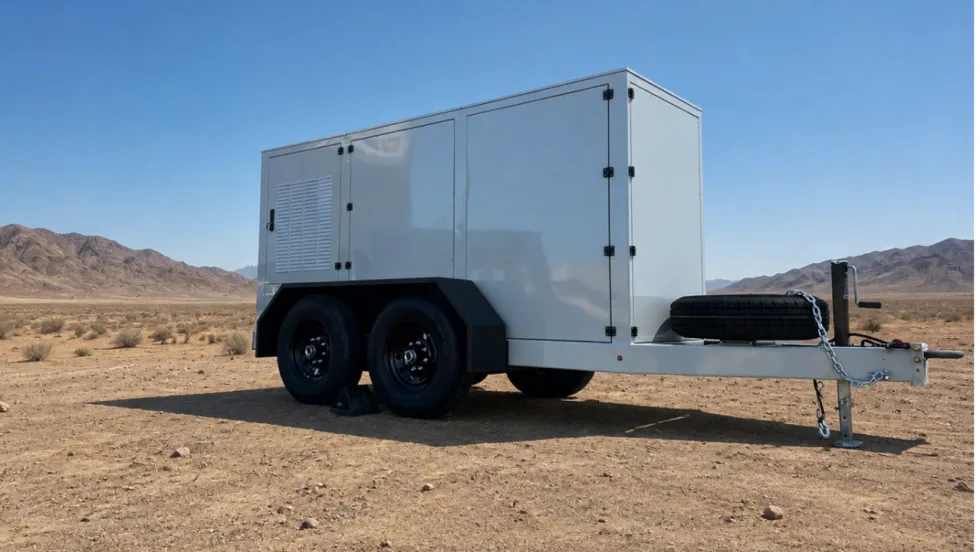
Xos Hub Surpasses One Gigawatt-Hour of Energy Delivered in the Field
A single Xos Hub has surpassed one gigawatt-hour of energy across more than 33,600 charging sessions in the field, demonstrating performance that supports Xos' expansion across new products and markets.
Read More →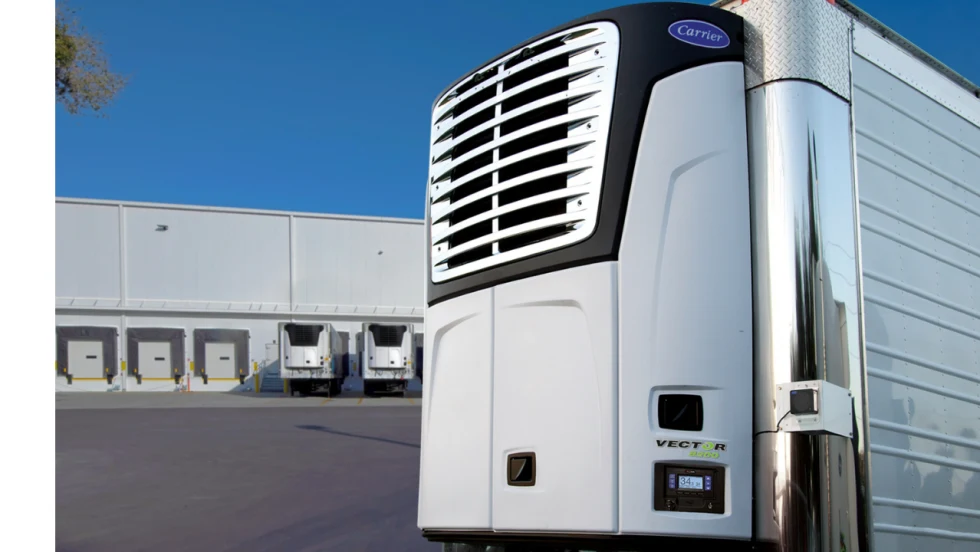
Carrier Transicold Launches All-Electric Vector 8200 TRU for Diesel-Free On-Site Cold Storage
Carrier Transicold’s first engineless multi-temperature TRU helps fresh- and frozen-food fleets add supplemental cold storage capacity during seasonal peaks.
Read More →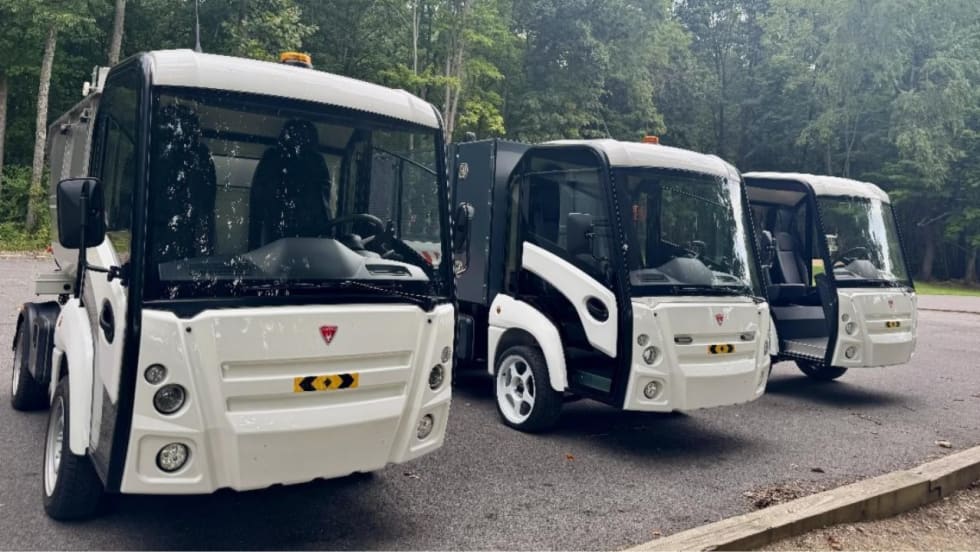
Narro Trucks Introduces Electric Utility Vehicle
Narro Trucks officially launched its operations on Aug. 20 and hosted a ride and drive to showcase its electric truck, which will be produced in Virginia.
Read More →
Samsung SDI Takes Full Control of GM Battery JV as Indiana Plant Pivots to Energy Storage
Samsung SDI is taking full control of its Indiana battery plant with GM, marking a major shift from the EV-focused joint venture Charged Fleet first covered in 2023.
Read More →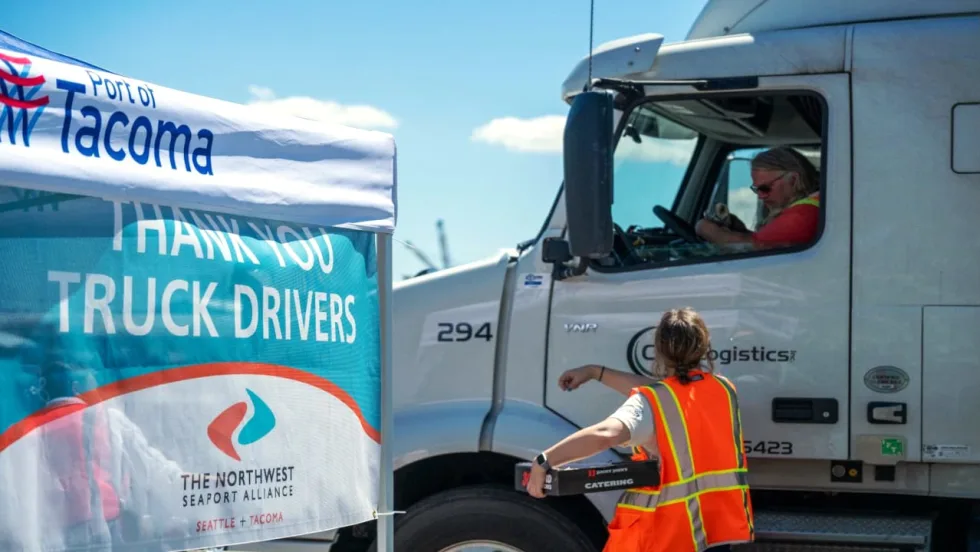
NWSA Taps CALSTART to Administer Zero-Emission Drayage Assistance Program
CALSTART will provide free technical assistance services to drayage fleets serving the Ports of Seattle and Tacoma and looking to transition to cleaner technologies and help decarbonize freight hubs.
Read More →
EV Fleet Reality Check: What Operators Wish They Knew Before Electrifying Their Work Vans
Electric work truck upfits bring new compatibility questions. Learn how parts availability, OEM guidance, power demands, and route planning can affect fleet performance.
Read More →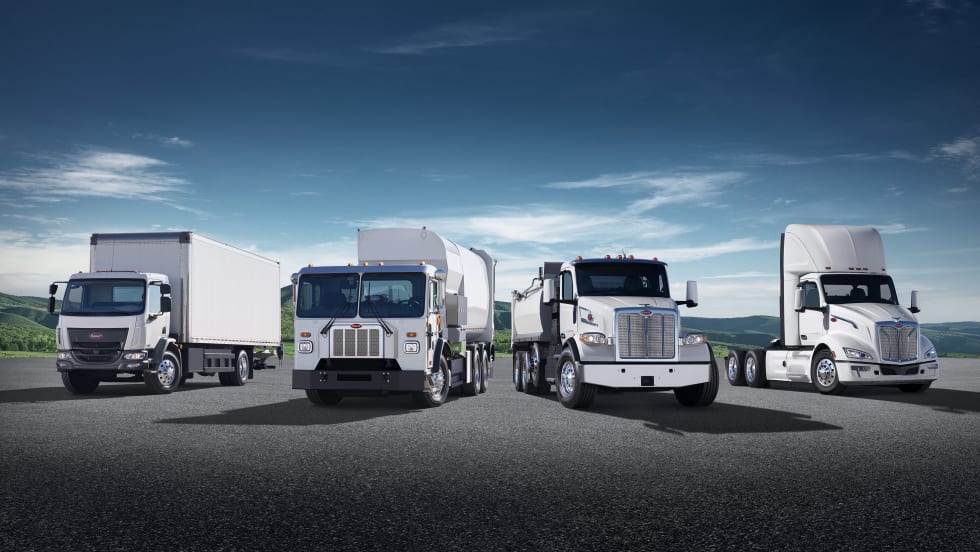
Peterbilt Expands Sourcewell Partnership with Electric Vehicle Lineup
Peterbilt Motors Company’s cooperative purchasing agreement with Sourcewell and its Canadian partner, Canoe Procurement Group, now includes including Peterbilt's battery-electric vehicle lineup.
Read More →