





Get Connected: Building a Connected Charging Ecosystem
Nissan Marks 4 Decades of its First Pickup Truck
Nissan's first produced vehicle was a white 720 pickup in 1983.
May 19, 2023
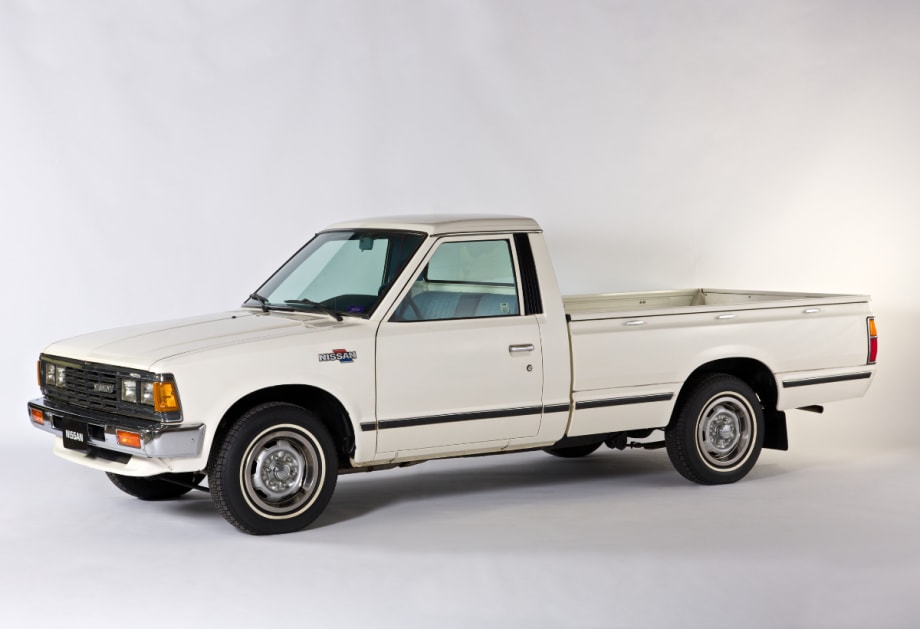
720 pickup was Nissan's first produced vehicle.
Photo: Nissan
2 min to read
On June 16, 1983, the inaugural Nissan vehicle was produced in the United States — a white 720 pickup.
It completed its journey along the Smyrna assembly line, beginning automotive manufacturing in Tennessee.
Over the years, Nissan has expanded its U.S. presence, establishing a powertrain plant in Decherd, Tennessee, in 1997 and a vehicle assembly plant in Canton, Mississippi, in 2003.
These facilities have collectively manufactured an impressive tally of nearly 20 million vehicles and 13 million engines, serving customers worldwide.
Nissan’s Electrified future
In 2022, Nissan announced it is investing $500 million to transform its Canton, Mississippi facility into a hub for EV production in the United States.
This investment supports the introduction of two all-new, all-electric vehicles in 2025.
It is just one of several investments that Nissan plans to make in the United States over the next five years, as they strive to achieve their goal of having fully electric vehicles account for 40% of their U.S. vehicle sales by 2030.
By 2030, Nissan aims to have 27 electrified models globally, including 19 fully electric vehicles.
Building Strong Communities With Support
Nissan aims to support its neighbors and help build stronger communities. Over the past 40 years, the company and its manufacturing team members have positively impacted communities through charitable contributions and volunteerism, including:
43,000 volunteer hours.
38 homes constructed with Habitat for Humanity.
Nearly $26,000,000 in United Way donations.
Nearly $2,000,000 in educational scholarships.
36,000 pints of blood donated to the American Red Cross.
More Vehicle Insights
Morgan Olson Launches North America’s Longest Working Step Van Challenge
Morgan Olson has launched North America’s Longest Working Step Van Challenge, a new customer campaign to find the longest-working qualifying Morgan Olson or Grumman step van actively delivering packages for an independent service provider contracted by FedEx.
Read More →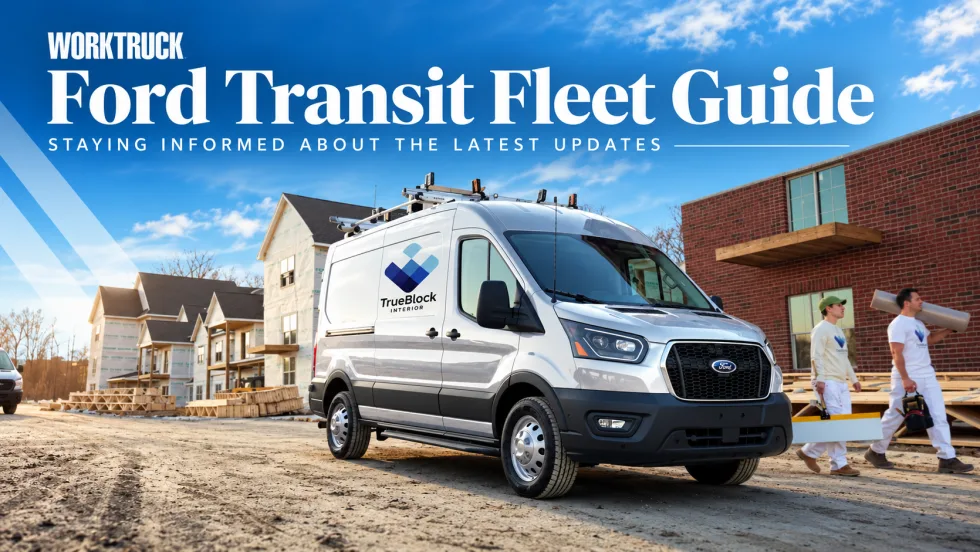
Ford Transit Fleet Guide Specs Capability and 2027 Model-Year Updates
Explore 2027 Ford Transit fleet specs, engines, payload and towing capability, cargo configurations, work features, technology, and model-year updates.
Read More →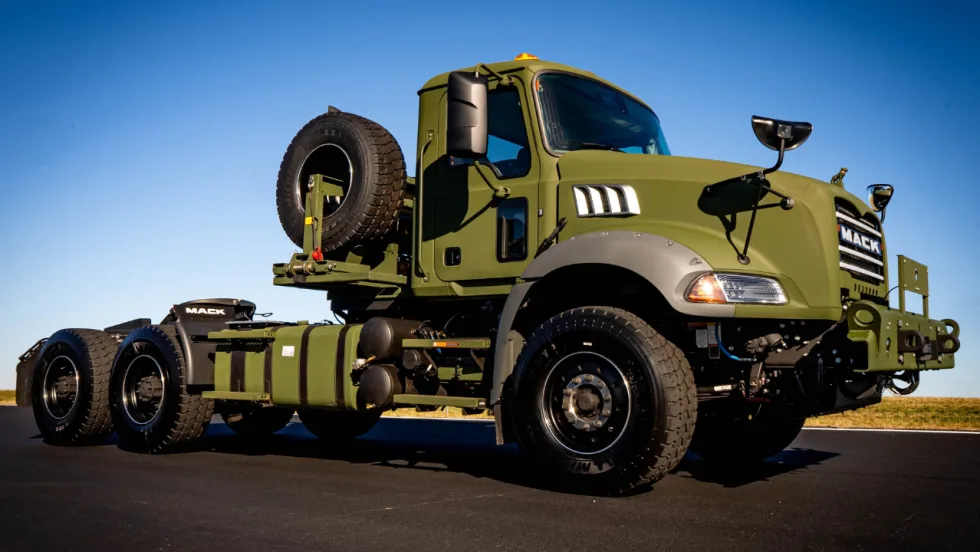
Mack Defense to Spotlight Common Tactical Truck Line Haul Hybrid Tractor During AUSA 2026
Mack Defense was awarded a contract to design, build, and deliver prototype vehicles for the U.S. Army’s Common Tactical Truck (CTT) program. It will show off its line-haul hybrid tractor prototype, based on the Mack Granite, at the 2026 United States Army (AUSA) Annual Meeting and Exposition.
Read More →
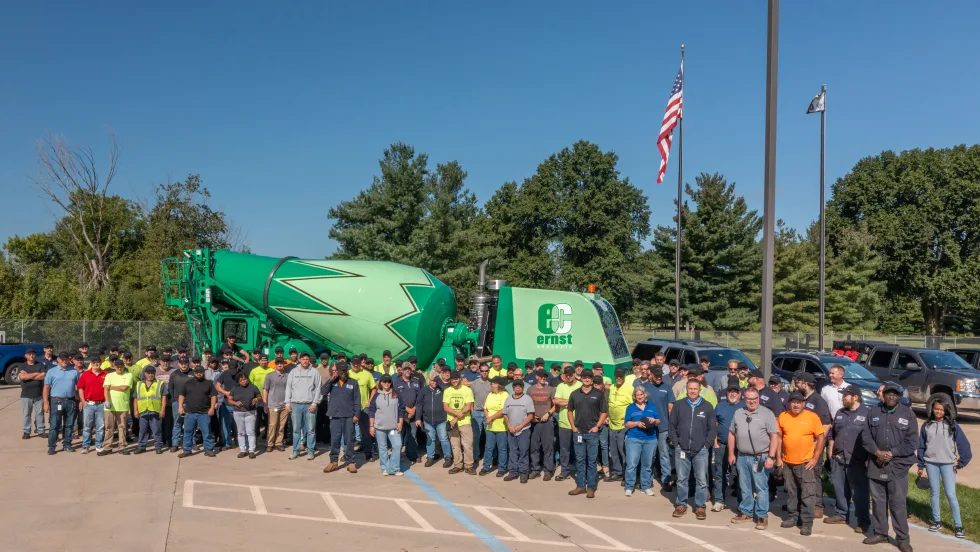
Advance Produces 20,000th Front-Discharge Mixer
Advance celebrated the production of its 20,000th front-discharge mixer, a Commander Series FD4000 mixer. Jack Willard first developed the original Rite-Way Truck in 1964, and then Advance was established in 1972.
Read More →
GM Launches Clean Sheet Duramax 8.3L Turbo-Diesel V8 for 2027 HD Pickups
General Motors previewed key updates for its 2027 HD pickup lineup, which will now include a new Duramax 8.3L Turbo-Diesel, electric power steering, and electronic brake boost.
Read More →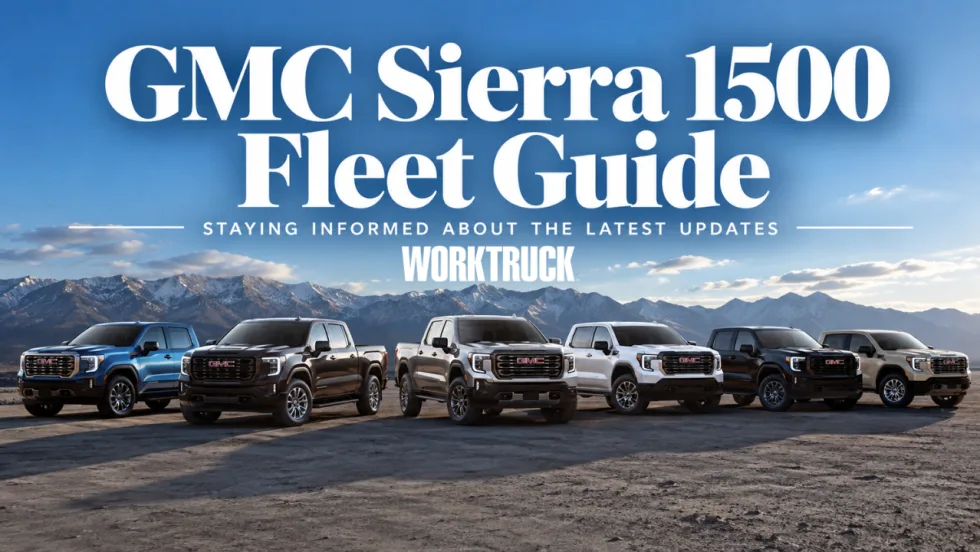
GMC Sierra 1500 Fleet Guide Specs Capability and 2027 Model-Year Updates
The next-generation 2027 GMC Sierra 1500 brings new V-8 engines, more standard safety technology, updated trailering tools, and a work-focused Pro trim. Here’s what fleets need to know.
Read More →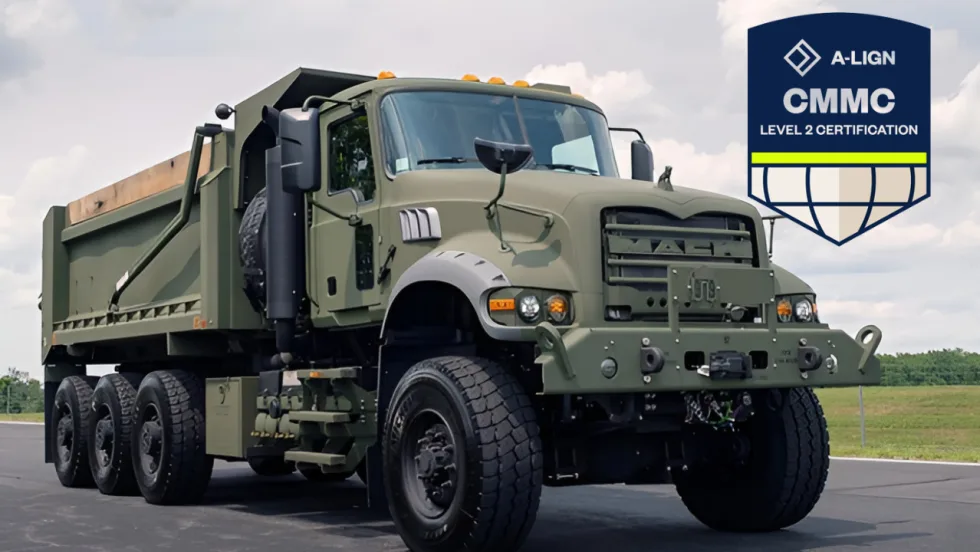
Mack Defense Achieves Cybersecurity Maturity Model Certification Level 2
After an assessment conducted by an authorized Certified Third-Party Assessment Organization (C3PAO), Mack Defense has achieved Cybersecurity Maturity Model Certification (CMMC) Level 2.
Read More →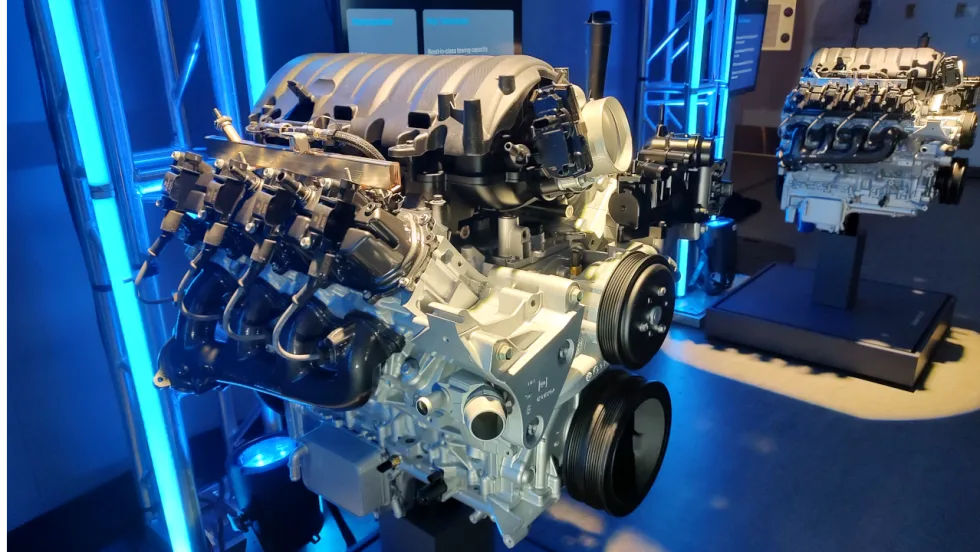
GM Unveils New Sixth-Generation Small Block Engines for 2027 Light-Duty Pickups
General Motors unveiled two new small-block engines, backed by extensive real-world validation and more than 70 years of small-block V8 manufacturing experience, as part of the engine portfolio for the 2027 Chevrolet Silverado 1500 and GMC Sierra 1500.
Read More →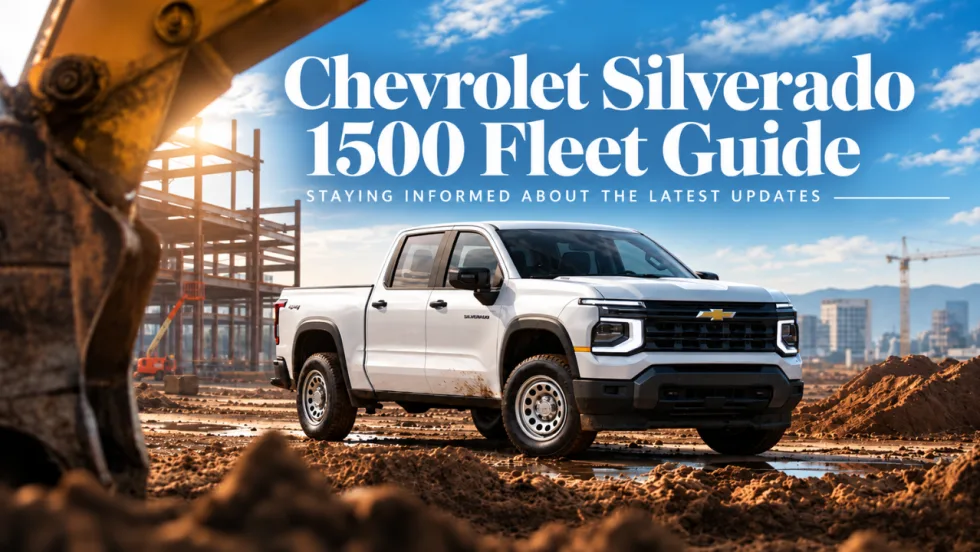
Chevrolet Silverado 1500 Fleet Guide Specs Capability and 2027 Model-Year Updates
The next-generation 2027 Chevrolet Silverado 1500 brings new V-8 engines, updated technology, expanded safety features, and a fleet-focused Work Truck. Here’s what commercial fleets need to know so far.
Read More →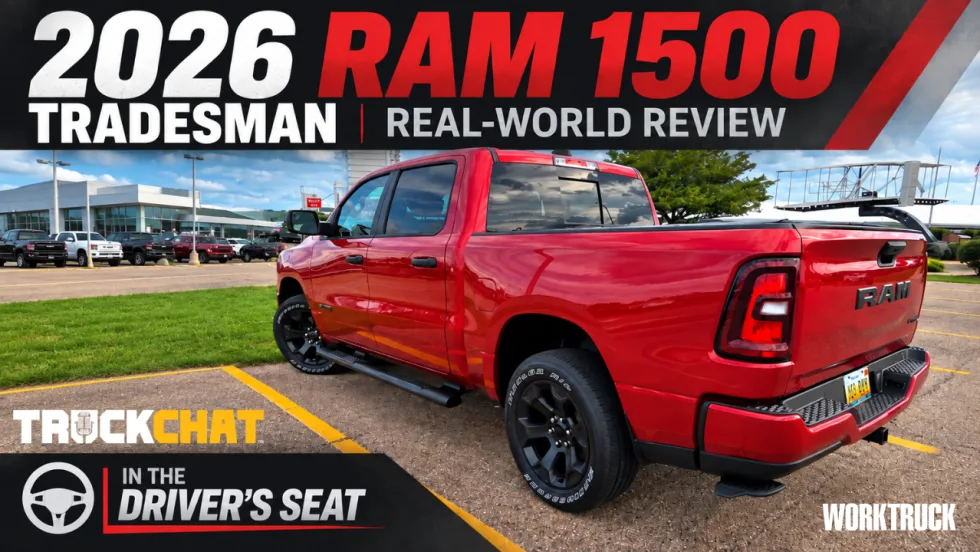
2026 Ram 1500 Tradesman Put to a Real-World Fleet Test
A few days behind the wheel of a 2026 Ram 1500 Tradesman turned into a test of visibility, parking, work-ready features, and even severe-weather driving.
Read More →