





Advancements in Propane: What’s Old is Renewed Again
Grant Dollars for Propane Refueling & Recharging Available
The program, which will award $2.5 billion over five years, will prioritize rural areas and low- and moderate-income neighborhoods.
March 29, 2023

Today’s propane autogas engines reduce harmful nitrogen oxide (NOx) emissions by 94%, according to PERC.
Photo: PERC
3 min to read
Newly released details on the Charging and Fueling Infrastructure Discretionary Grant Program (CFI Program) provide an opportunity for communities to drastically reduce emissions and provide access to clean transportation by investing in propane autogas refueling infrastructure or propane-powered recharging stations.
As part of the program, $700 million will be made available through grants for publicly accessible fueling and charging infrastructure within a community or projects to support the nation’s alternative fuel corridors.
Details about the Fueling Grant Program
The program, which will award $2.5 billion over five years, will prioritize rural areas and low- and moderate-income neighborhoods. According to the Propane Education & Research Council, as an affordable, portable, and available energy source, propane is an ideal solution for these prioritized categories.
“The goal of this program is to rapidly improve access to alternative fuel options and ensure energy equity by doing so in areas that have been historically underserved,” said Steve Whaley, director of autogas business development with the Propane Education & Research Council. “The fastest and most-cost effective way to achieve that goal is by implementing propane autogas refueling and propane-powered recharging infrastructure. Both options are affordable, available, and can accelerate our nation’s decarbonization and clean air efforts.”
For agencies interested in implementing propane autogas solutions for medium-duty (Class 3-7) fleets, PERC noted that propane autogas is an ideal choice with features including:
A range of up to 400 miles on a single refuel.
The performance to carry heavier payloads.
The affordability to provide the lowest total cost-of-ownership.
Additionally, PERC noted that the cost to purchase and install refueling equipment for a fleet of medium- or heavy-duty propane autogas vehicles is a small fraction of the cost to purchase and install fast charger equipment for charging a comparable electric vehicle fleet in a comparable time frame.
Fleets looking to maximize their investment can implement solutions that include options for various alternative fuel vehicles within the same infrastructure. One example is the portable dual-purpose standalone fueling system from Propane Fueling Solutions can refuel propane autogas vehicles through a propane tank and dispenser and recharge EV fleets with DC level 3 fast chargers by utilizing a microgrid powered by renewable energy sources like wind, solar, and a propane-powered generator.
The infrastructure provides a resilient and affordable charging option that operates independent of the grid. In most cases, lead times for ordering this equipment are weeks instead of months or years for other alternatives. Because it can be portable and installed in as little as 24 hours, PERC shared it doesn’t require the same site prep, permanent housing, or other costly charges that are incurred with permanent infrastructure, cutting costs by as much as 75% or more compared to traditional EV charging infrastructure.

The portable dual-purpose standalone fueling system from Propane Fueling Solutions can refuel propane autogas vehicles through a propane tank and dispenser and recharge EV fleets with DC level 3 fast chargers by utilizing a microgrid powered by renewable energy sources.
Photo: PERC
“Whether agencies choose to implement propane autogas refueling stations or propane-powered recharging, the real winners here are the communities that benefit from the cleaner air,” said Whaley. “Today’s propane autogas engines reduce harmful nitrogen oxide (NOx) emissions by 94%, and propane-powered generators for light commercial microgrids are significantly cleaner than diesel with near-zero NOx and carbon monoxide emissions, as well as a 24% reduction in carbon dioxide emissions.”
When do you need to apply by? Applications must be submitted electronically through Grants.gov no later than 11:59 p.m. EST on Tuesday, May 30, 2023.
More Green Fleet

Fleet Forward Conference Introduces One-Day Passes for 2026
New one-day registration gives fleet professionals the flexibility to attend Tuesday, Wednesday, or Thursday, with passes available for $199 through Sept. 18.
Read More →
CALSTART Rebrands as Catalyst Mobility, Will Combine with Forth in 2027
CALSTART has rebranded as Catalyst Mobility and will combine with Forth at the start of 2027. The new organization said it is poised to become one of the world's largest, strongest, and most impactful clean transportation nonprofits.
Read More →
Electric Truck and Charging Programs to Boost Sustainability at NY & NJ Ports
Together, the Port Authority of New York and New Jersey and CALSTART will electrify drayage and terminal operations serving the East Coast’s busiest container port. A pair of incentive programs totaling $45 million has launched to accelerate adoption of zero-emission drayage trucks and terminal tractors.
Read More →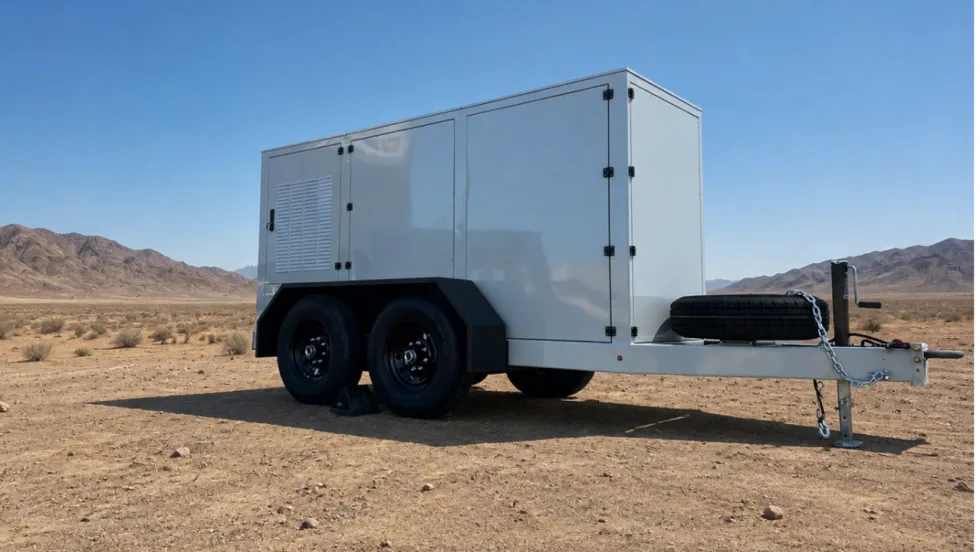
Xos Hub Surpasses One Gigawatt-Hour of Energy Delivered in the Field
A single Xos Hub has surpassed one gigawatt-hour of energy across more than 33,600 charging sessions in the field, demonstrating performance that supports Xos' expansion across new products and markets.
Read More →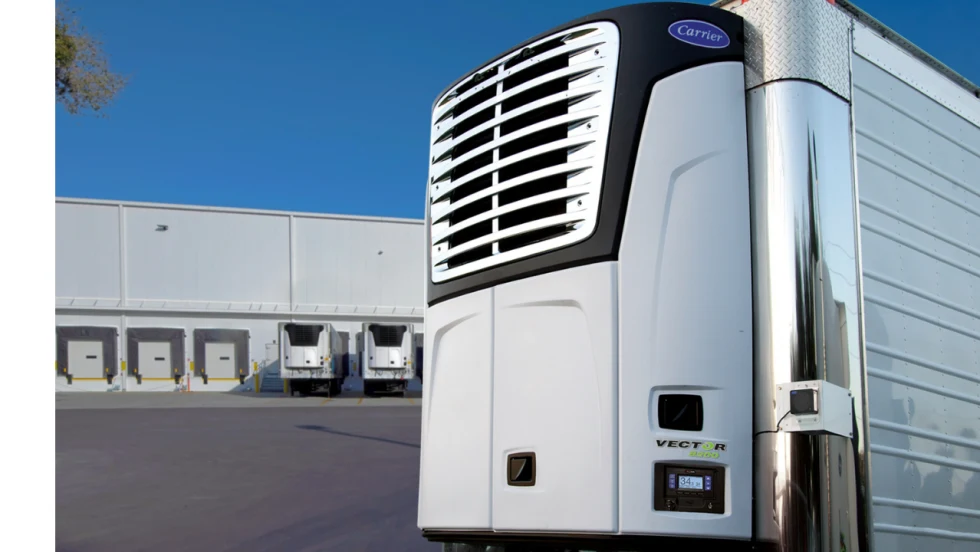
Carrier Transicold Launches All-Electric Vector 8200 TRU for Diesel-Free On-Site Cold Storage
Carrier Transicold’s first engineless multi-temperature TRU helps fresh- and frozen-food fleets add supplemental cold storage capacity during seasonal peaks.
Read More →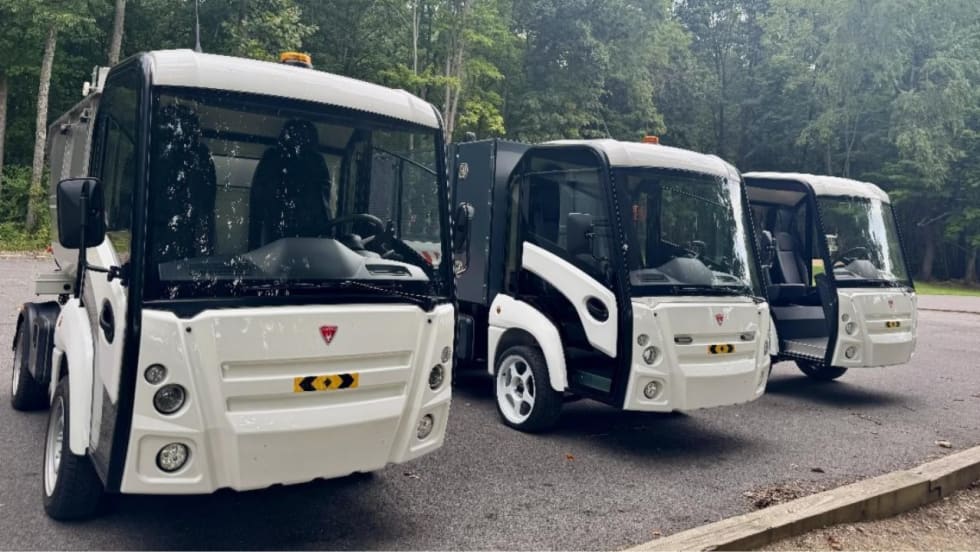
Narro Trucks Introduces Electric Utility Vehicle
Narro Trucks officially launched its operations on Aug. 20 and hosted a ride and drive to showcase its electric truck, which will be produced in Virginia.
Read More →
Samsung SDI Takes Full Control of GM Battery JV as Indiana Plant Pivots to Energy Storage
Samsung SDI is taking full control of its Indiana battery plant with GM, marking a major shift from the EV-focused joint venture Charged Fleet first covered in 2023.
Read More →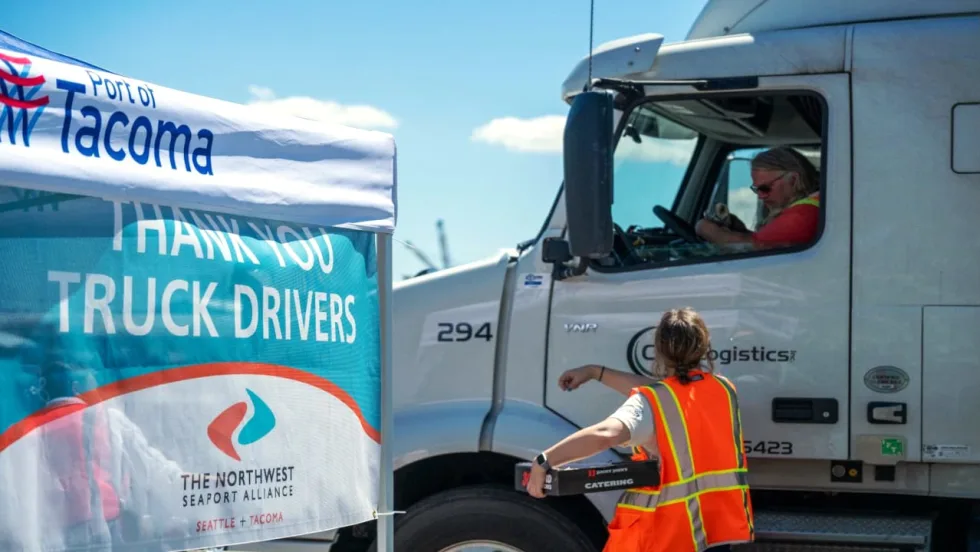
NWSA Taps CALSTART to Administer Zero-Emission Drayage Assistance Program
CALSTART will provide free technical assistance services to drayage fleets serving the Ports of Seattle and Tacoma and looking to transition to cleaner technologies and help decarbonize freight hubs.
Read More →
EV Fleet Reality Check: What Operators Wish They Knew Before Electrifying Their Work Vans
Electric work truck upfits bring new compatibility questions. Learn how parts availability, OEM guidance, power demands, and route planning can affect fleet performance.
Read More →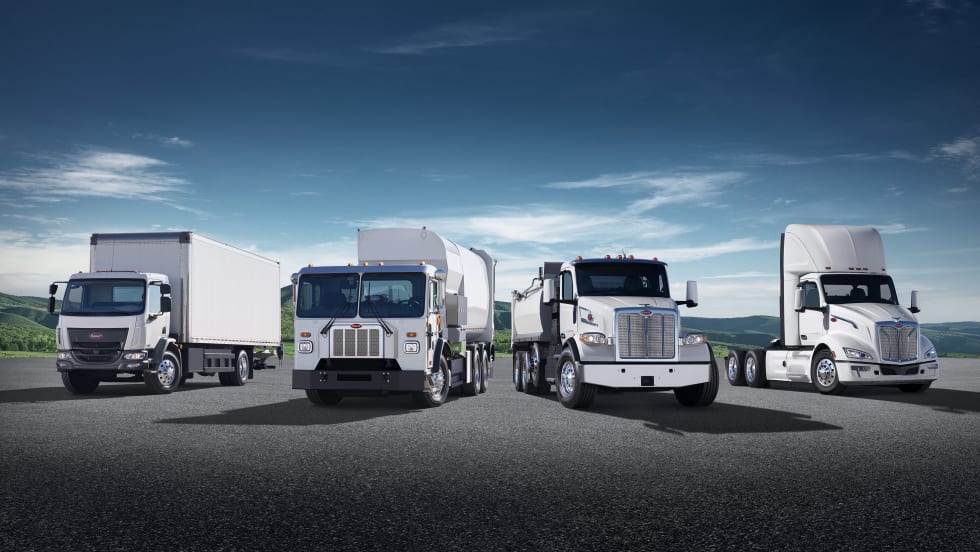
Peterbilt Expands Sourcewell Partnership with Electric Vehicle Lineup
Peterbilt Motors Company’s cooperative purchasing agreement with Sourcewell and its Canadian partner, Canoe Procurement Group, now includes including Peterbilt's battery-electric vehicle lineup.
Read More →