





Stay Informed: DOT Issues Report Card on National Roadway Safety Strategy
New AIHA Safety Resources for Truckers
AIHA has produced free online resources for truckers in the industry to help mitigate transportation-related hazards and protect their workforce.
January 12, 2023
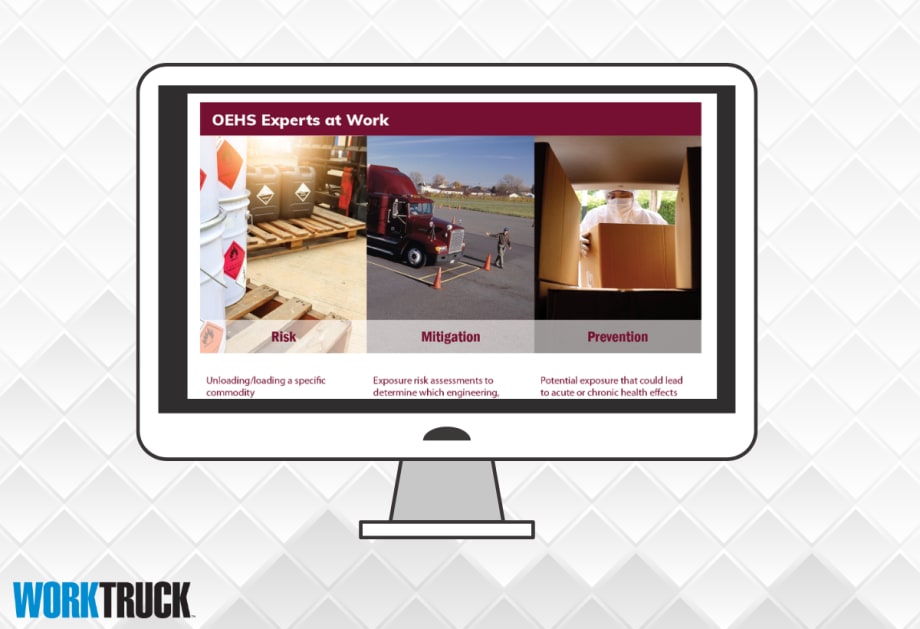
The website provides free resources for health and safety in the trucking industry.
Photo: AIHA/Work Truck
2 min to read
America’s roads and highways can be dangerous no matter the weather, even for the most experienced drivers. Workers in the trucking industry face risks both on and off the road.
AIHA, the association for scientists and professionals committed to preserving and ensuring occupational and environmental health and safety (OEHS) in the workplace and community, has produced free resources to help trucking operators mitigate transportation-related hazards and protect their workforce.
Trucking industry operators can now find resources or information about hiring OEHS professionals on a new webpage.
The trucking health and safety webpage also includes fact sheets, articles, and studies that address how OEHS professionals help mitigate occupational health risks, such as potential exposures to extreme heat, noise, and hazardous materials that could lead to acute or chronic health effects.
Reducing Health Risks
OEHS professionals work with trucking safety experts to evaluate and reduce health risks at all stages of transportation that affect workers performing both driving and non-driving activities, from cranking dolly legs and climbing trailer ladders to opening and closing valves and assessing chemical spills for potential human contact and environmental impact.
Following this comprehensive assessment, OEHS professionals recommend risk mitigation strategies designed to prevent accidents and injuries from happening. Improving worker health and safety can reduce absenteeism and decrease turnover rates, resulting in a more efficient and productive workforce.
“The trucking industry drives our economy in immeasurable ways,” said Donna S. Heidel, CIH, FAIHA, the president of AIHA.
“OEHS professionals can work with the industry safety standards set forth by OSHA and the Department of Transportation to evaluate and assess risks in order to protect the trucking industry’s most valuable resource—its employees,” she continued. “OEHS experts have the skillset, education, experience, and training to reduce and prevent risks to drivers and non-drivers alike.”
Interested in learning more about safety? Work Truck released the 2022 Work Truck Safety Study: Rising Costs & Safety Focus. It details what's going on in work truck fleet safety today by surveying 105 respondents.
More Safety & Compliance
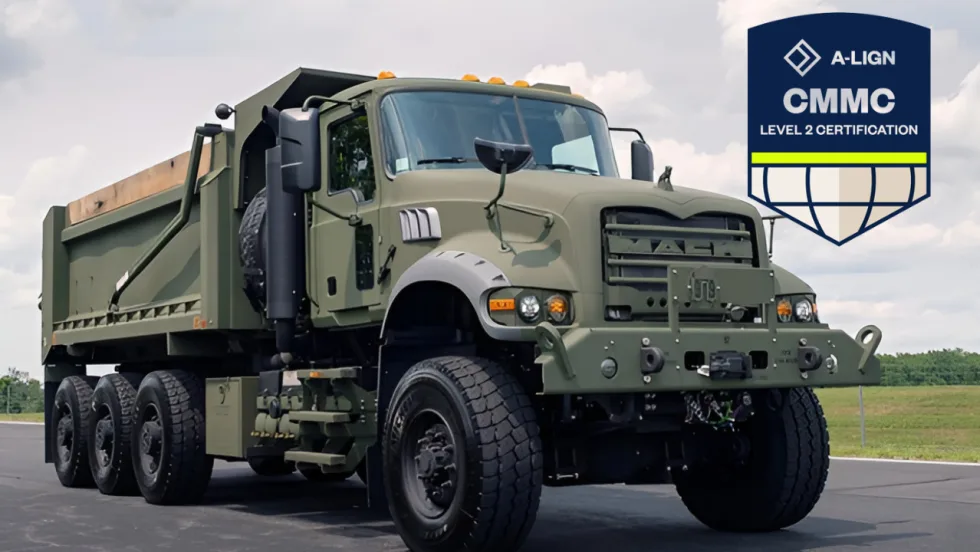
Mack Defense Achieves Cybersecurity Maturity Model Certification Level 2
After an assessment conducted by an authorized Certified Third-Party Assessment Organization (C3PAO), Mack Defense has achieved Cybersecurity Maturity Model Certification (CMMC) Level 2.
Read More →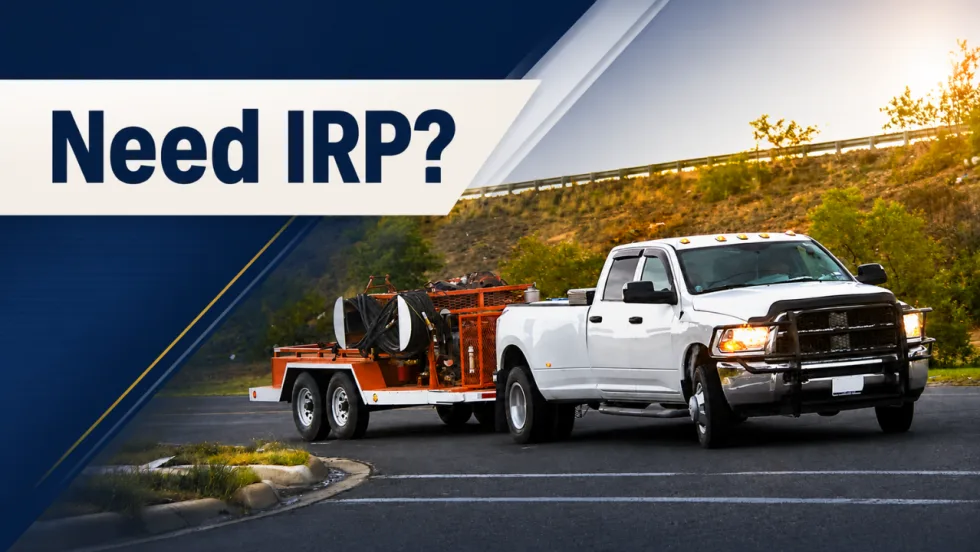
When Work Trucks Under 26,001 Pounds Need IRP Registration
Think trucks under 26,001 pounds are automatically in the clear when it comes to IRP? Not always. Learn where lighter vehicles can still run into trip permit, apportioned registration, and IFTA compliance requirements when crossing state or provincial lines.
Read More →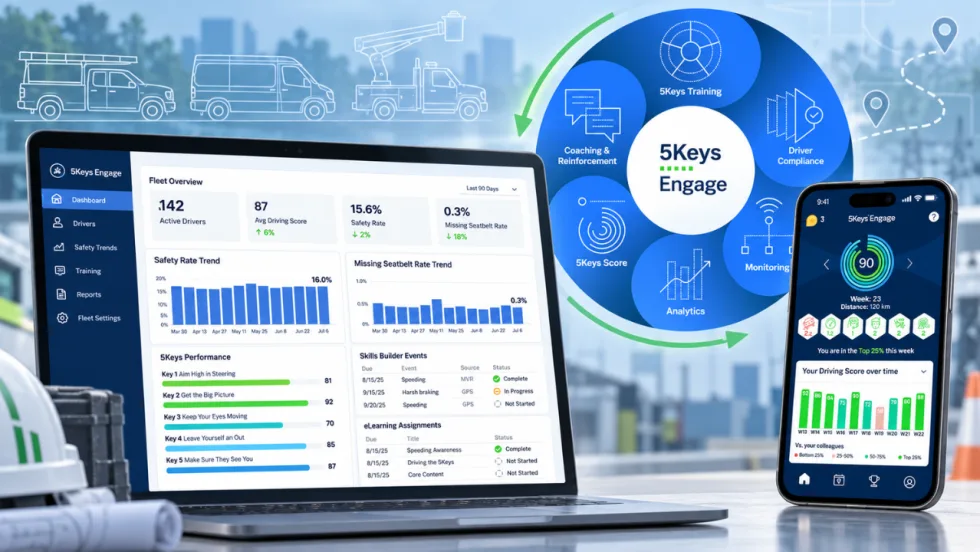
Smith System Wants Work Truck Fleets to Look Beyond the Driver Alert
Smith System’s new Driver Risk Management program is built to help mixed work truck fleets turn telematics alerts and observations into specific behaviors, coaching actions, and measurable follow-up.
Read More →


Volvo Trucks Releases New Safety Recommendations for Traveling with Pets
One of the most important recommendations for professional drivers traveling with pets is to ensure pets are properly restrained while the truck is moving. Other tips are available in the new guide from Volvo Trucks North America and Center for Pet Safety.
Read More →
Are Work Truck Drivers Warming Up to Dash Cams and GPS Tracking?
A new survey finds field-service drivers may be more comfortable with dash cams and GPS tracking than fleet managers think, especially when the technology helps protect them after a crash.
Read More →
Recalls You Need to Know About in August 2026
If you have Altec, Chrysler, Ford, Heil, General Motors, International, Mack Trucks, Paccar, Rivian, Royal Truck, Toyota, US Truck Body, or Volvo Trucks vehicles in your fleet, you should check these important recalls issued by the National Highway Safety Administration.
Read More →
API Issues Refueling Safety Guidelines
The American Petroleum Institute offers a list of safe vehicle refueling guidelines, including ways to avoid potential problems with static electricity discharges in fall, winter, and early spring.
Read More →
Winter Fleet Prep: Expert Tips to Keep Vehicles Running Smoothly
Cold weather can expose weak batteries, tires, fuel systems, and maintenance gaps fast. Use this winter fleet checklist to prepare trucks and drivers before temperatures drop.
Read More →
When a Work Truck Breaks Down, the Job Can Stop, Too
A work truck breakdown can stop more than the vehicle. Discover how payloads, jobsites, and specialty equipment change the roadside response.
Read More →
What Stronger Long-Term Fleet Service Partnerships Actually Require
Fleet service partnerships rarely fall apart all at once. Learn the three warning signs that trust is eroding and what fleets and providers can do before downtime, frustration, and lost revenue follow.
Read More →