




Cell Connectivity Crucial to Effective Vaccine Delivery
For COVID-19 vaccine delivery and beyond, there are several reasons why strong fleet connectivity is so important for fleet businesses.

In-vehicle devices such as smartphones, tablets, GPS trackers, and more require a strong internet connection to be useful, and fleets have a lot to lose if a cellular connection drops out.
Photo: Wilson Electronics
The U.S. and Canada are ramping-up their COVID-19 vaccine delivery efforts. With the stringent refrigeration and regulatory requirements, it is now more important than ever for fleet drivers to communicate immediately to provide critical data such as location, climate control, vehicle operations, road conditions, delivery time updates, or request assistance should an issue arise.
If a fleet driver is unable to communicate due to poor signal, the consequences may be catastrophic, resulting in lifesaving vaccines not being delivered to deployment sites in a timely fashion or at all. If the proper cold temperature is not maintained during COVID-19 vaccine transport, the vaccine potency will be diminished and virtually ineffective.
Fleet routes often take drivers through urban, interstate, and remote areas where it can be difficult to receive a reliable cell signal. The pandemic has increased reliance on mobile data devices causing cellular towers to become overloaded, resulting in slower connection speeds. This is a major issue since many of the tasks fleets manage, from monitoring vehicle performance and updating job statuses to providing route optimization and monitoring vehicle location, rely on in-vehicle technology and management software.
In-vehicle devices such as smartphones, tablets, GPS trackers, and more require a strong internet connection to be useful, and fleets have a lot to lose if a cellular connection drops out.
For COVID-19 vaccine delivery and beyond, there are several reasons why strong fleet connectivity is so important for fleet businesses:
Expand a Fleet's Coverage Area
Some fleets are increasing their coverage areas from county-wide to statewide or multi-state services to help deliver vaccines. The larger the area, the more difficult it can be to ensure strong cellular connectivity throughout their routes. Even fleets completing vaccine deliveries in urban locations may experience slower cell speeds due to network congestion and many people using the same cell towers.
If fleets have no signal, they won't be able to communicate with their home base or provide delivery updates. In the case of vaccine delivery, this is particularly crucial since refrigeration requirements mean every minute counts.
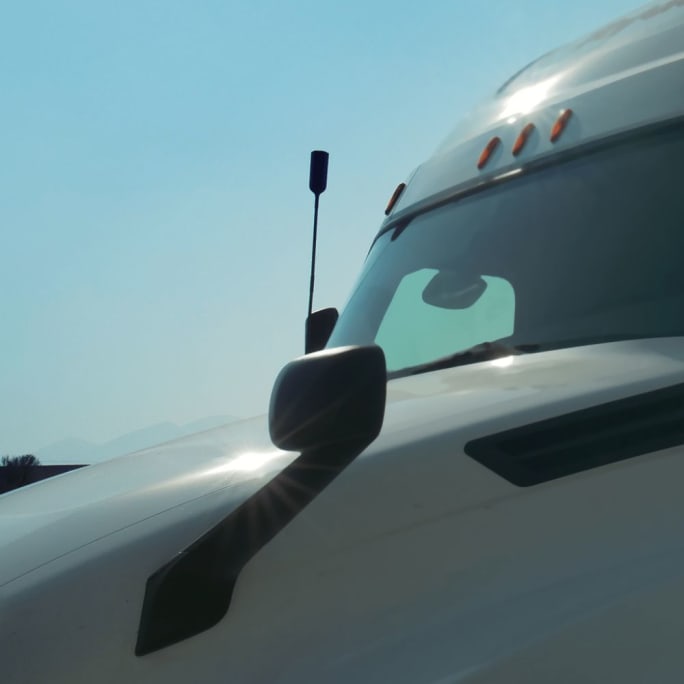
In-vehicle cellular signal boosters can solve poor cell signal issues and keep fleets connected and safe.
Photo: Wilson Electronics
Creates a More Reliable Communication
Every link in the fleet chain, from drivers and field workers to engineers, needs to remain connected to maintain communication, stay abreast of updates, and efficiently complete vaccine deliveries. They don't have the time or resources to spend on searching for a stronger cell signal and need workers to get their jobs done quickly and correctly.
Without strong connectivity, the entire fleet's schedule and efficiency can be thrown into disarray. Communication is also essential for giving the vaccine recipient locations a heads-up on if the delivery is going to be delayed or changed for any reason.
Guarantees Better Tracking
Many fleet management systems use telematics to keep tabs on drivers and gather important analytics to tracking expenses. Having correct, current data enables field managers to make more informed business decisions on daily operations and adjust their working models accordingly to increase efficiency, which is especially important for vaccine delivery.
A lack of cellular connectivity can result in "telematics ghosting" or "going dark" while out of the field and a loss of valuable business data. Strong cellular signals take full advantage of telematics and GPS, giving fleet owners the data needed to improve operations, ensure driver safety, optimize routes, and identify improvement areas.
Promotes Safety
Fleets have a duty to protect their drivers and take steps to promote their safety. Technology including dashcam reporting and tracking common high-risk driving behaviors makes it simpler for fleet managers to ensure that their drivers and field technicians are safe. It's also essential to stay in the loop on where drivers and vehicles are at all times. Vaccine delivery can be stressful for drivers who face tight turnaround timelines, and driver safety is first and foremost.
Uninterrupted cellular connectivity allows drivers to call in any issues like breakdowns, accidents, or delays. If a team becomes accustomed to unreliable cellular communications, they may become complacent when fleet vehicles go dark, resulting in serious safety issues. Constant communication ensures that vaccines will get delivered on time and, above all, safely.
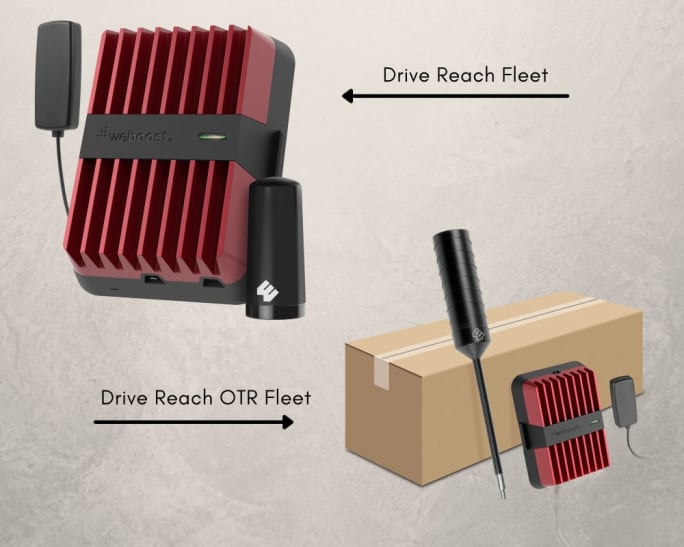
Strong cell signal expands a fleet's coverage area, ensures accurate driver tracking, improves driver safety, minimizes "telematics ghosting," and optimizes fleet productivity, which are all crucial to effective vaccine delivery and distribution.
Photo: Wilson Electronics
Increases Profitability
At the end of the day, strong cellular connectivity benefits increase profitability and return on investment (ROI) for fleet owners. Accurate data and reporting allow businesses to optimize operations for productivity, safety, and field management. Additional benefits include saving on fuel costs, miles driven, staying on top of vehicle maintenance, improving customer service, and reducing inefficiencies. Guaranteeing that your fleet has reliable cell coverage will keep your business competitive and operating smoothly on all cylinders.
Fleet managers have turned to technology to help overcome any cellular connectivity roadblocks. In-vehicle cellular signal boosters can solve poor cell signal issues and keep fleets connected and safe. Strong cell signal expands a fleet's coverage area, ensures accurate driver tracking, improves driver safety, minimizes "telematics ghosting," and optimizes fleet productivity, which are all crucial to effective vaccine delivery and distribution.
About the Author: Terri Titas-Wolcott is the National Sales Manager-Fleet at Wilson Electronics. Wilson Electronics, LLC, home of WilsonPro and weBoost, is a provider of cellular signal booster technology, dedicated to delivering wireless network coverage to everyone, everywhere. This article was authored and edited according to WT editorial standards and style to provide useful information to our readers. Opinions expressed may not reflect that of WT.
More Operations
Family Ties Inside the Fleet Families Building Careers Across Generations
Three fleet families share what it really takes to work together, learn across generations, and keep business from following them home.
Read More →
Shades of Fleet Call for Voices: Fleet's Hidden Heroes
Fleet’s hidden heroes are often the ones keeping everything moving behind the scenes. September’s Shades of Fleet is looking for dispatchers, coordinators, parts specialists, and other support pros to share their stories.
Read More →
Truck Centers, Inc. Celebrates National Truck Driver Appreciation Week with $1,000 Fuel Card Giveaways
During National Truck Driver Appreciation Week, Truck Centers, Inc. is offering customers a chance to fuel up for free. Customers at all Truck Centers locations can enter to win one of four $1,000 fuel cards from Sept. 14 - 18.
Read More →
Fleet Guides, AI Time-Savers, Truck Tariffs & Fuel Strategy Lead the News
This week’s Truck Chat Cheat Sheet covers new fleet vehicle guides, practical AI use cases, U.S.-Canada truck production, mixed-energy strategy, and more.
Read More →
What Fleet Employers Are Missing When Hiring Veterans
What if some of the strongest candidates for fleet are already out there, but their experience is written in a language our industry does not always recognize?
Read More →
Automotive Fleet Opens 2026 Personal Use Survey for Commercial Fleet Managers
Less than two weeks left! Commercial and corporate fleet managers are invited to share how their organizations handle company vehicle personal-use policies, charges, and driver eligibility.
Read More →
What Resilient Fleets Do Differently When Conditions Change
Fleet resilience is about more than reacting to disruption. Lauren Fletcher talks with AP Fleet’s Alex Coveney about flexibility, planning, scaling, and what helps fleets adapt when business conditions shift.
Read More →
If We Want the Next Generation in Automotive, We Have to Give Them a Reason to Care
The automotive industry talks constantly about its workforce shortage. But before we can recruit the next generation, we may need to do a better job giving kids a reason to care about automotive in the first place.
Read More →
Ram ProMaster City Under $40K, Truck Tariffs, and AI Maintenance Lead the News
A sub-$40K commercial van, tariff questions, AI-powered maintenance, and a new EV production strategy headline this week’s Truck Chat Cheat Sheet.
Read More →
Bob Adamsky Shares the Fleet Lessons You Usually Learn the Hard Way
After more than 30 years in fleet, Arrow International’s Bob Adamsky has learned that the job is about far more than vehicles. He shares the lessons he wishes every fleet manager could learn a little earlier.
Read More →