




Related: Mercedes-Benz Delivers 1,800 EVs to Amazon’s European Fleet, Joins the Climate Pledge
Amazon Reveals Rivian’s Electric Delivery Vehicle Prototype
Amazon revealed a video, photos, and some details of the van’s features but did not include battery or drivetrain specs. The timeframe for initial deployment is now “as early as 2022.”
by Staff
October 8, 2020
The Amazon electric delivery vehicle is slated to launch as early as 2022.
Photo courtesy of Amazon.
3 min to read
In a blog post today, Amazon revealed a video, photos, and a few details of its custom electric delivery vehicle designed and built in partnership with Rivian.
In addition to photos of the prototype in a factory setting, Amazon supplied a few of the van’s features. Those include a suite of highway and traffic assist technologies, exterior cameras around the vehicle that link to a display inside the cabin, Alexa integration (of course!) for hands-free access to digital information, bright taillights in the rear of the vehicle to easily detect braking, and a strengthened driver’s side door.
Inside, the van will have three levels of shelving and a bulkhead door, as well as a “dancefloor” inside the driver’s cabin for “easy movement inside the van.”
Significantly, however, the post did not include details of the battery or drivetrain.
"We combined Rivian’s technology with our delivery logistics knowledge, and the result is what you see here — the future of last mile delivery," said Ross Rachey, director of Amazon's Global Fleet and Products, in the post.
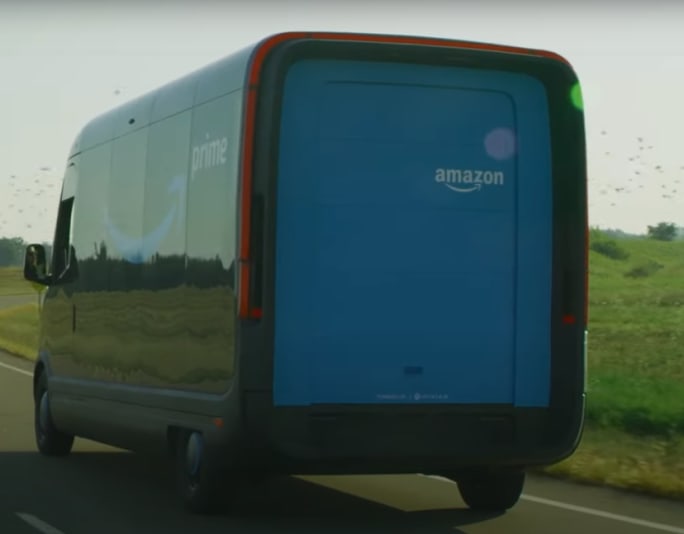
Screen grab courtesy of Amazon.
"The vehicle we’ve developed with Amazon is not just electric. We prioritized safety and functionality to create a vehicle that’s optimized for package delivery," said RJ Scaringe, Rivian CEO. "We thought through how drivers get in and out of the van, what the workspace feels like and what the workflow is for delivering packages."
The Rivian delivery EV supports Amazon’s Climate Pledge commitment to be net zero carbon by 2040, which Amazon revealed as part of the original Rivian partnership announcement in September 2019. At the time, Amazon laid down the gauntlet with a 100,000-unit order, the largest to date for an electric delivery vehicle, with all 100,000 to be deployed by 2030.
Amazon initially said the first electric delivery vehicles would hit the streets starting in 2021, though that timeframe has been pushed back at least a year. In subsequent posts this year and in today’s post, Amazon committed to 10,000 electric delivery vehicles on the road “as early as 2022.”
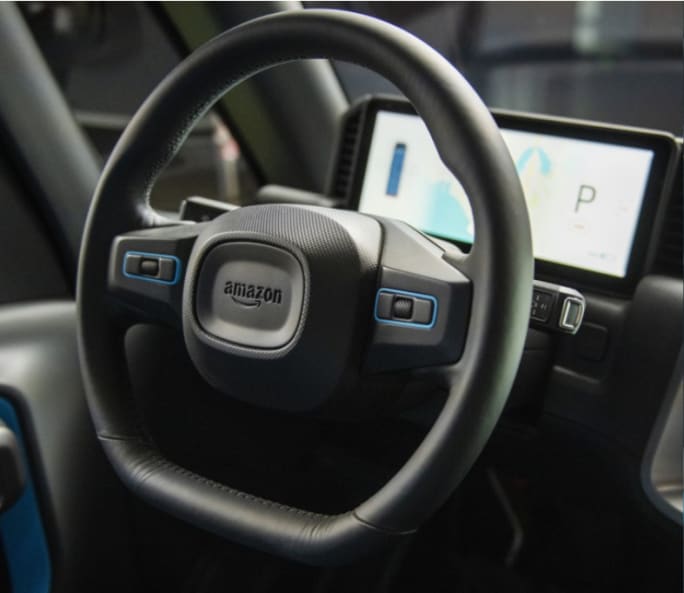
Photo courtesy of Amazon.
The Rivian EV is one of three electric models that Amazon has invested in.
In August, the company announced the addition of 1,800 Mercedes electric delivery vehicles, eSprinter and eVito models, for its fleet in Europe. Amazon also plans to add 10,000 electric delivery vehicles to its fleet in India by 2025.
Last month, Lion Electric pledged to deliver 10 all-electric box trucks to Amazon, with two on the road by the end of this year.
In the EU, Amazon also uses e-cargo bikes for deliveries in some urban centers and operates 200 e-cargo bikes in the New York City area.
Rivian unveiled its flagship vehicle models, the all-electric R1T pickup and R1S SUV, at the LA Auto Show in 2018, with plans to begin delivering to customers in late 2020.
That timeframe has been pushed back as well. In July, Rivian confirmed those vehicles won’t launch until June 2021.
Originally posted on Automotive Fleet
More Green Fleet

Fleet Forward Conference Introduces One-Day Passes for 2026
New one-day registration gives fleet professionals the flexibility to attend Tuesday, Wednesday, or Thursday, with passes available for $199 through Sept. 18.
Read More →
CALSTART Rebrands as Catalyst Mobility, Will Combine with Forth in 2027
CALSTART has rebranded as Catalyst Mobility and will combine with Forth at the start of 2027. The new organization said it is poised to become one of the world's largest, strongest, and most impactful clean transportation nonprofits.
Read More →
Electric Truck and Charging Programs to Boost Sustainability at NY & NJ Ports
Together, the Port Authority of New York and New Jersey and CALSTART will electrify drayage and terminal operations serving the East Coast’s busiest container port. A pair of incentive programs totaling $45 million has launched to accelerate adoption of zero-emission drayage trucks and terminal tractors.
Read More →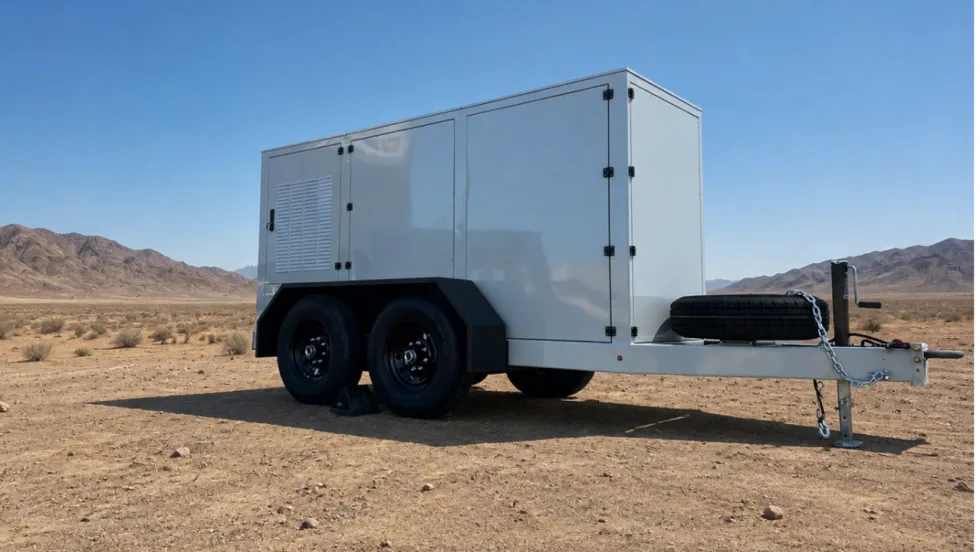
Xos Hub Surpasses One Gigawatt-Hour of Energy Delivered in the Field
A single Xos Hub has surpassed one gigawatt-hour of energy across more than 33,600 charging sessions in the field, demonstrating performance that supports Xos' expansion across new products and markets.
Read More →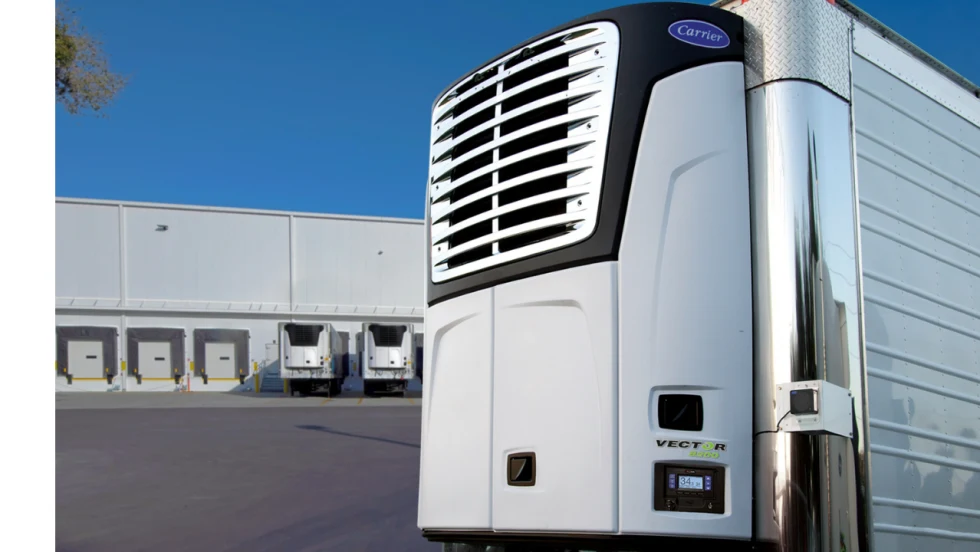
Carrier Transicold Launches All-Electric Vector 8200 TRU for Diesel-Free On-Site Cold Storage
Carrier Transicold’s first engineless multi-temperature TRU helps fresh- and frozen-food fleets add supplemental cold storage capacity during seasonal peaks.
Read More →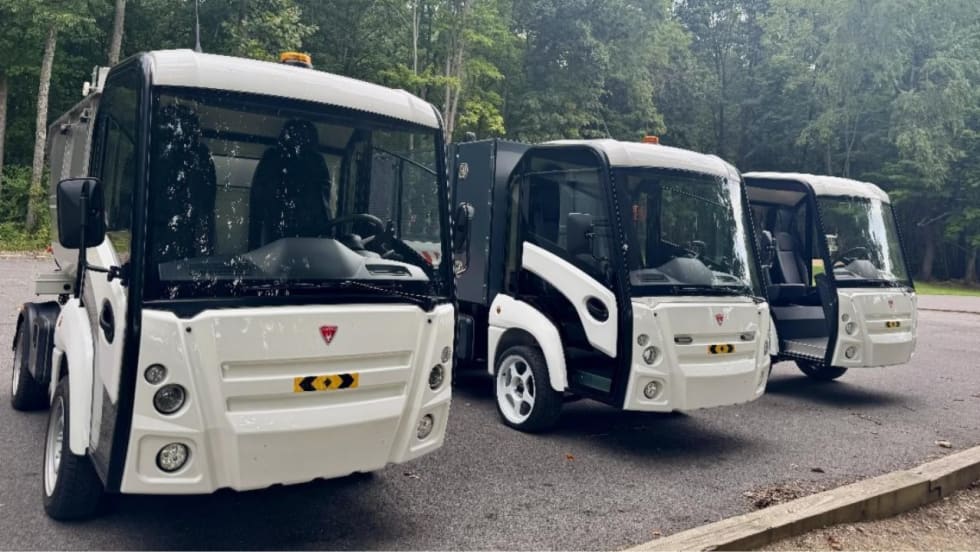
Narro Trucks Introduces Electric Utility Vehicle
Narro Trucks officially launched its operations on Aug. 20 and hosted a ride and drive to showcase its electric truck, which will be produced in Virginia.
Read More →
Samsung SDI Takes Full Control of GM Battery JV as Indiana Plant Pivots to Energy Storage
Samsung SDI is taking full control of its Indiana battery plant with GM, marking a major shift from the EV-focused joint venture Charged Fleet first covered in 2023.
Read More →
NWSA Taps CALSTART to Administer Zero-Emission Drayage Assistance Program
CALSTART will provide free technical assistance services to drayage fleets serving the Ports of Seattle and Tacoma and looking to transition to cleaner technologies and help decarbonize freight hubs.
Read More →
EV Fleet Reality Check: What Operators Wish They Knew Before Electrifying Their Work Vans
Electric work truck upfits bring new compatibility questions. Learn how parts availability, OEM guidance, power demands, and route planning can affect fleet performance.
Read More →
Peterbilt Expands Sourcewell Partnership with Electric Vehicle Lineup
Peterbilt Motors Company’s cooperative purchasing agreement with Sourcewell and its Canadian partner, Canoe Procurement Group, now includes including Peterbilt's battery-electric vehicle lineup.
Read More →