


 MENU
 SEARCHMENUSEARCH
Loading data...
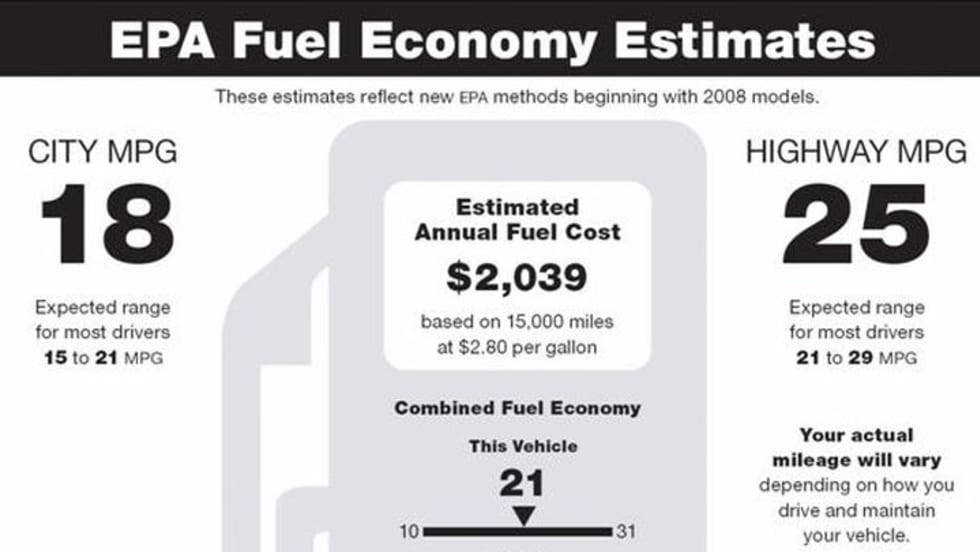
The U.S. Environmental Protection Agency is setting new guidelines for automakers conducting fuel economy testing in the wake of several automakers having to restate their mpg numbers.
Read More →






Westport Innovations Inc. has gained approval from the U.S. Environmental Protection Agency to produce a dedicated compressed natural gas (CNG) version of Ford's 2015 Transit van.
Read More →The federal budget package approved by the U.S. House and U.S. Senate includes a 50 percent increase in funding for a clean air program that reduces emissions from older diesel powered engines, vehicles, and equipment.
Read More →NatGasCar has received Environmental Protection Agency (EPA) certification to produce compressed natural gas (CNG) versions of the 2014 and 2015 Ford Transit Connect with a 2.5L bi-fuel engine system.
Read More →The U.S. Environmental Protection Agency has granted certification to VIA Motors' eREV gasoline-electric hybrid van, paving the way for shipping of the vehicle to fleets, the company announced Nov. 13.
Read More →Automakers have increased the number of fuel-efficient car models and classes available to fleet buyers for the 2015 model year, according to the the annual fuel economy guide from the U.S. EPA and DOE.
Read More →The U.S. Environmental Protection Agency (EPA) approved Amp Electric Vehicle’s Workhorse E-Gen Electric Truck.
Read More →Light-duty 2013 model-year vehicles reached an all-time high in fuel economy with an average of 24.1 mpg as a result of technologies such as gasoline direct injection engines, turbochargers, and advanced transmissions, according to the EPA.
Read More →ShipCarsNow has received the 2014 SmartWay Excellence Award from the U.S. Environmental Protection Agency. The annual honor recognizes the top 1 percent of EPA partners that have optimized the environmental performance and efficiency of their freight management operations, according to the company.
Read More →The amount of greenhouse gases in the atmosphere reached a record high in 2013, according to the World Meteorological Organization’s annual Greenhouse Gas Bulletin.
Read More →