


 MENU
 SEARCHMENUSEARCH
Loading data...

Element Financial Corp. has closed its acquisition of GE Capital's U.S. fleet business and will now turn its attention toward integrating the two entities, the Toronto-based company announced Aug. 31.
Read More →
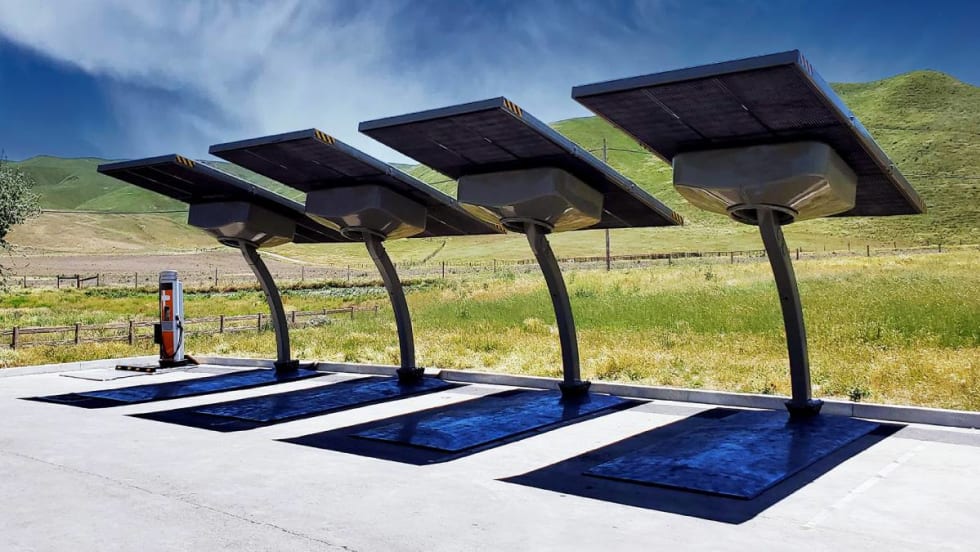

EV Connect recently announced the EV Charging-as-a-Service, or EV CaaS, to cut up-front costs and simplify the process for purchasing and installing EV charging station infrastructure by turning the purchase decision from a capital expenditure to an operating expense.
Read More →Fuel costs, the largest fleet operating expense, declined dramatically in the 2009 calendar-year due to a sharp decline in worldwide consumption. Also, many fleets have downsized, which contributed to a lower overall fuel spend.
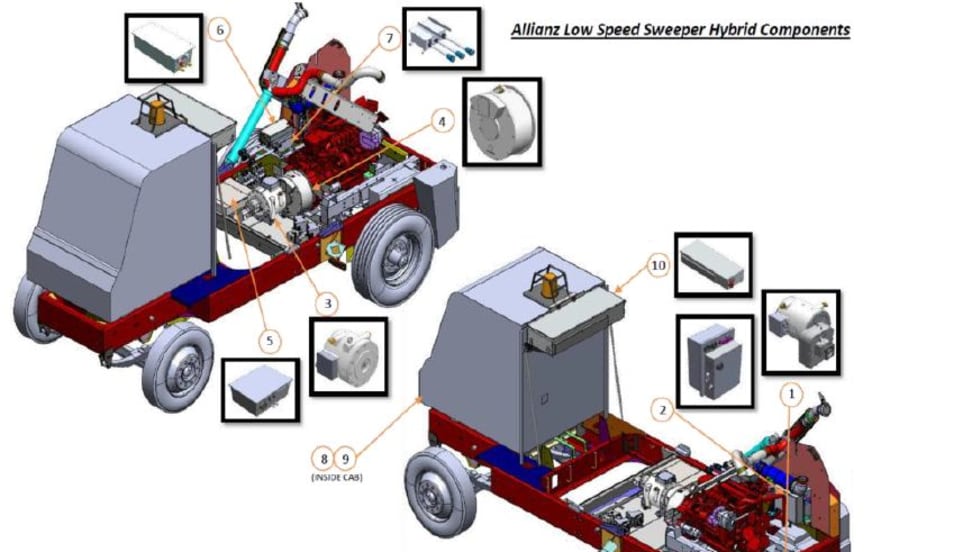
Read More →Ideanomics simultaneously announces that US Hybrid has received orders from partner Global Environment Products (GEP) for a fleet of all-electric street sweepers expected to deploy in multiple cities in the U.S. and globally.
Read More →The company announced a sixth utility has purchased an EV ARC 2020 system to provide sustainable off-grid EV charging for a pilot program aimed at assessing solutions for current and future needs.
Read More →Penske Truck Leasing Co., L.P. has announced that Tokyo-based Mitsui & Co., Ltd. has acquired a 20-percent limited partnership interest in Penske Truck Leasing from General Electric Capital Corporation.
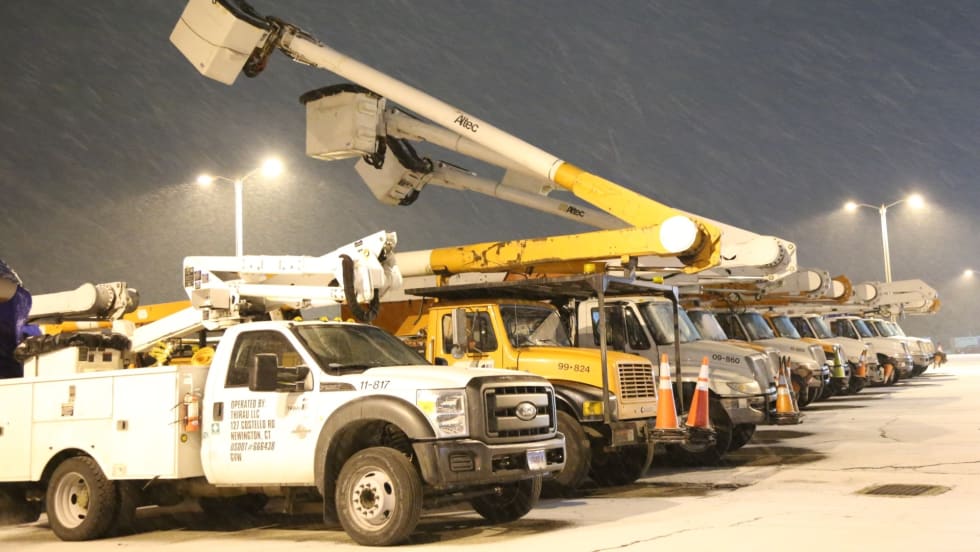
Read More →In battling rough weather conditions since the beginning of the year, utilities made extra efforts in this latest storm to go beyond their immediate customer service areas to ensure that sister companies and surrounding utilities had as much help as possible.
Read More →GE's new process produces hydrogen at about $3 per kilogram, a quantity roughly comparable to a gallon of gasoline, down from $8 per kilogram. It could make the technology economically feasible for hydrogen fuel-cell vehicles.
Read More →Maintenance costs increased in 2009 due to higher cost of replacement tires, PM oil changes, and labor rates. However, the biggest factor was widespread deferment of vehicle replacement, resulting in the operation of older units.
Read More →