




6 Signs Your Diesel Vehicle’s DPF Needs Cleaning
Learn when to clean your car, truck, or SUV's diesel particulate filter, plus other helpful DPF tips from Rislone.
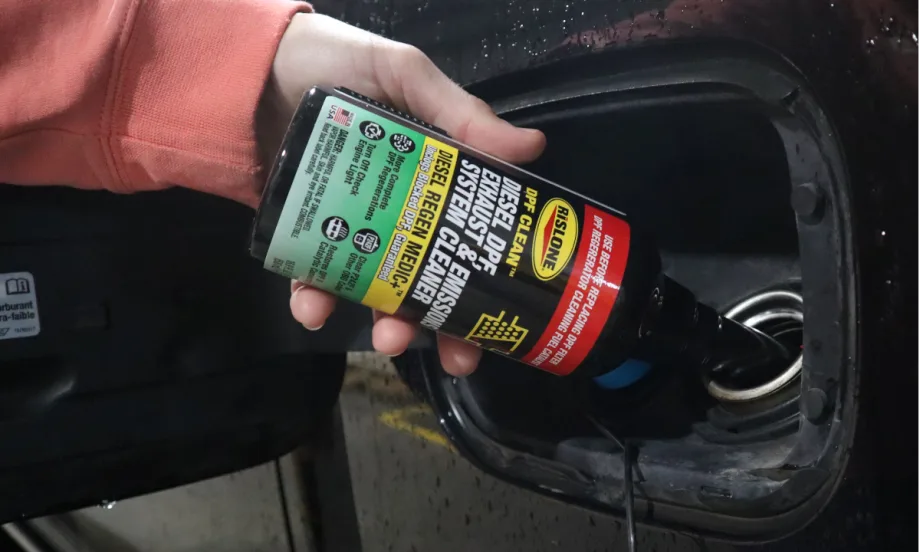
Rislone said DPF Clean contains Rislone’s exclusive Diesel Regen Medic+, an active DPF regeneration accelerator and cleaning fuel catalyst to clear a blocked DPF.
Photo: Rislone
Like many filters on a diesel truck, the diesel particulate filter (DPF) requires periodic cleaning to function properly. In normal use, pollutants and soot can clog the DPF.
Cleaning the DPF will ensure it continues to work properly, reducing harmful exhaust emissions, maintaining fuel efficiency, and preventing potential engine damage, Rislone explained in a press release.
Modern diesel vehicles of all sizes are equipped with complex aftertreatment systems to reduce exhaust emissions. The DPF’s role in these systems is to capture and store soot particles.
When the filter is full, an automatic process called regeneration burns off the accumulated soot. But in vehicles regularly driven at low speeds for short durations, regeneration may never occur, causing the filter to get so full that it becomes blocked, according to Rislone.
A blocked DPF can destroy fuel efficiency and kill engine power and performance. It may also affect drivability and cause the engine to overheat or be hard to start. How do you know when the DPF needs cleaning?
According to Rislone, you should keep an eye out for any of these six signs:
1. DPF Warning Light
A clear indication that the DPF is clogged is when the DPF warning lamp on the dashboard lights up. With some vehicles, the general “check engine” light may also come on. Hooking up an OBD II reader may reveal a P242F or related trouble code.
2. Frequent Regeneration Cycles
A vehicle that is having trouble getting through a full regeneration cycle to clean the DPF may make frequent attempts. If a diesel engine starts or undergoes regeneration more frequently than usual, it may indicate that the DPF is clogged and needs to be cleaned.
3. Increased Fuel Consumption
A clogged DPF forces the engine to work harder, which burns more fuel per mile. It’s generally less expensive to clean the DPF than it is to let a blocked DPF drive down fuel economy.
4. Loss of Power
A blocked DPF will restrict exhaust flow, which causes the engine to reduce acceleration, be less responsive, and have difficulty maintaining high speeds.
5. Limp Mode
If the DPF becomes clogged or fails to regenerate, it may trigger the vehicle to go into “limp mode” to prevent damage. While in limp mode, the vehicle’s power output is significantly reduced, its top speed is limited, auxiliary functions may be disabled, and it may be locked in a low gear.
6. Rough Idle
A clogged DPF can cause the engine to run roughly or have a hard time maintaining a steady idle.
DPF, Exhaust & Emissions System Cleaner
Cleaning a clogged DPF doesn’t have to be time-consuming or expensive thanks to recent advances in chemical technology. Simply pour a bottle of the new Rislone DPF Clean Diesel DPF, Exhaust & Emissions System Cleaner into the fuel tank and drive.
Rislone said DPF Clean’s special blend of high-performance detergents and heavy-duty cleaning solvents scrubs away contaminants, soot, carbon build-up, and oily residue from the DPF, fuel injectors, combustion chambers, turbo, EGR, diesel oxidation catalyst (DOC), and exhaust system.
Formulated to tackle even the toughest clogs, DPF Clean contains Rislone’s exclusive Diesel Regen Medic+, an active DPF regeneration accelerator and cleaning fuel catalyst guaranteed to clear a blocked DPF.
“You don’t have to be a mechanic to keep your diesel vehicle’s DPF functioning properly,” said Clay Parks, vice president of development for Rislone. “Modern vehicles make it pretty obvious when there’s an issue, and Rislone makes it easy to fix. DPF Clean restores power, performance and mileage, reduces regeneration cycles, and extends DPF filter life – all for thousands of dollars less than a mechanical DPF repair or replacement.”
More Products
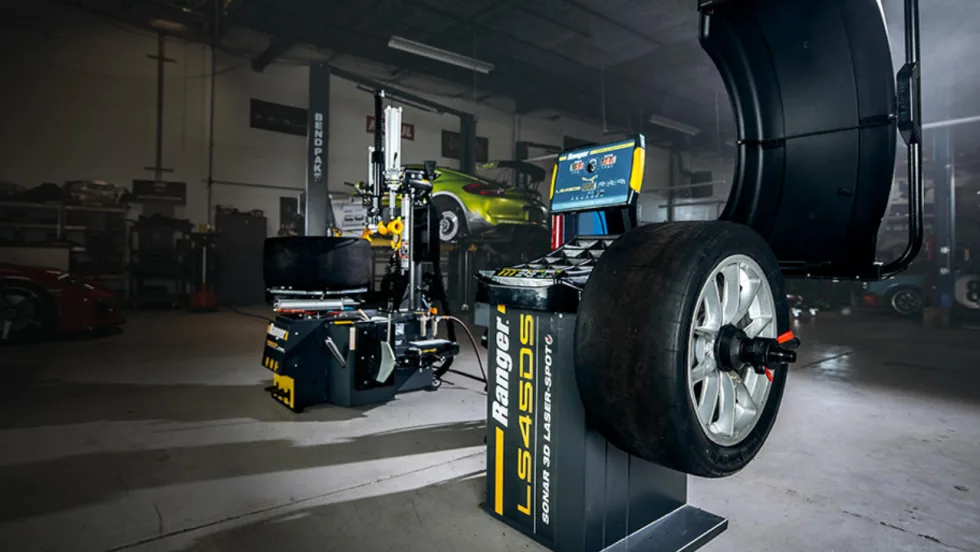
BendPak’s Ranger Wheel Service Equipment Achieves North American Safety Certification
BendPak’s full line of Ranger tire changers and wheel balancers has been ETL certified to UL and CSA standards to improve operator safety.
Read More →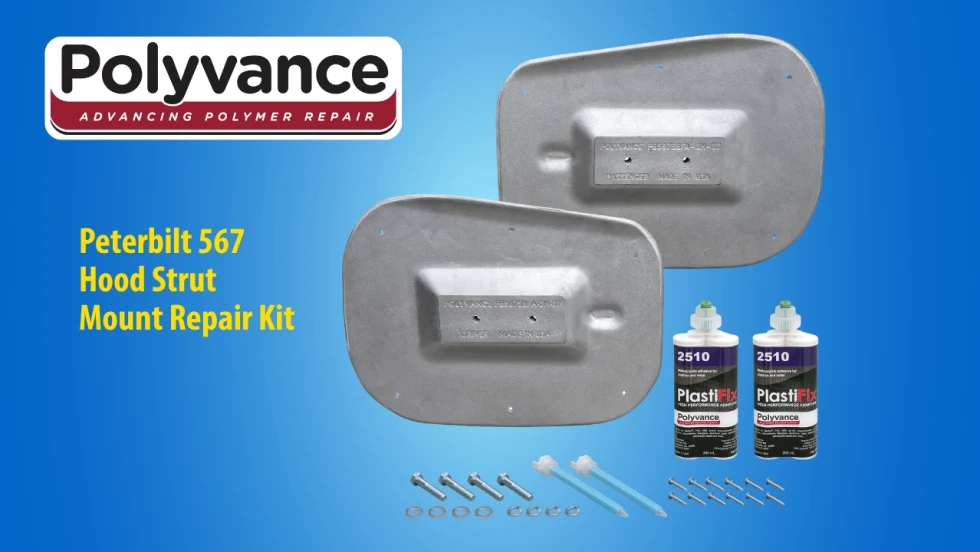
Polyvance Introduces New Peterbilt 567 Hood Strut Mount Repair Kit
Polyvance has launched a repair solution for Peterbilt 567 hood struts, helping truck owners and repair facilities avoid costly hood replacements.
Read More →
Lubrizol CV1700 Heavy-Duty Engine Oil Additive Available Well Ahead of API CL-4 First License
Lubrizol CV1700, Lubrizol’s additive solution for the American Petroleum Institute’s (API’s) next heavy-duty diesel engine oil specification, is available now and enables high performance across a broad range of base oil stocks and viscosity grades.
Read More →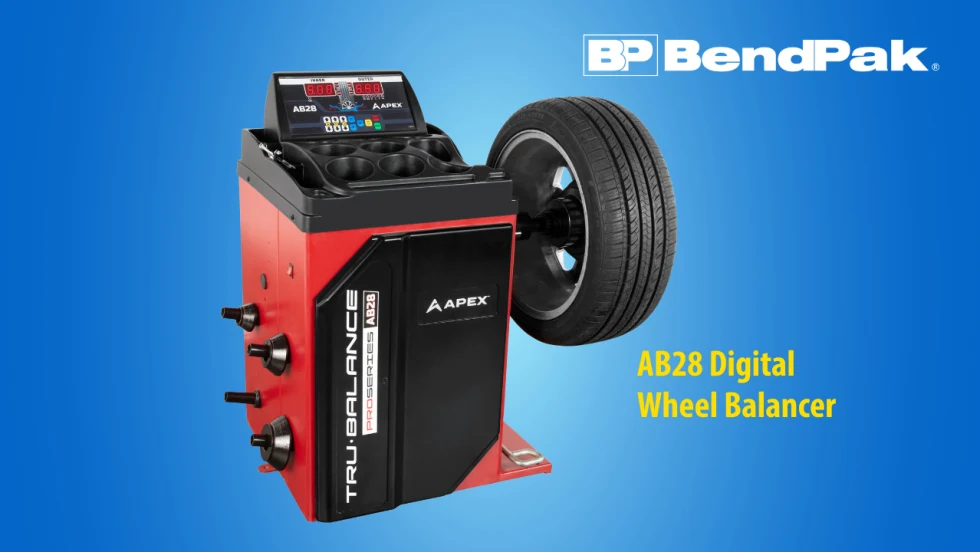
New APEX by BendPak AB28 Wheel Balancer Provides Accuracy & Fast Cycle Times
The APEX by BendPak AB28 digital wheel balancer is designed to support everything from passenger-vehicle and light-truck wheels to performance and specialty wheels.
Read More →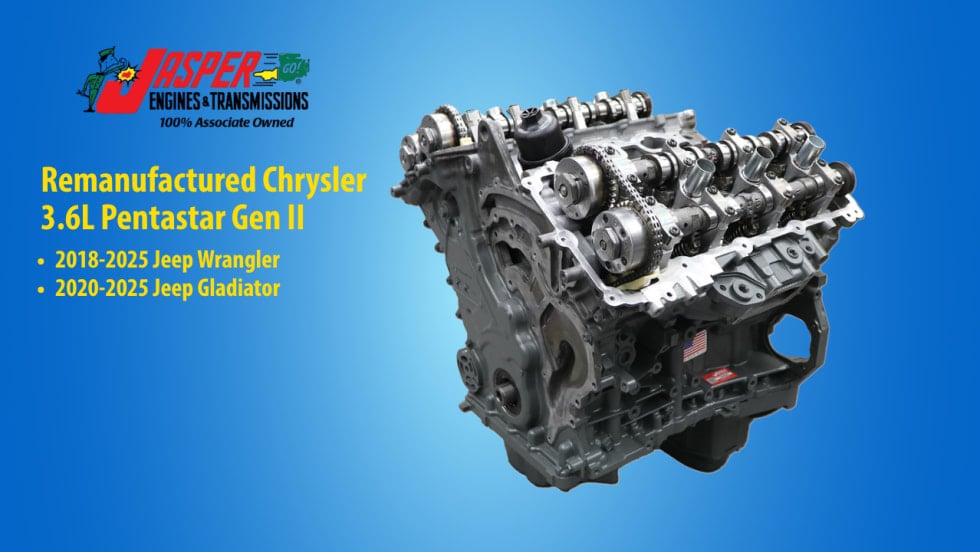
Jasper Expands Chrysler 3.6L Pentastar Gen II Engine Availability
Jasper Engines & Transmissions now has expanded availability of the Chrysler 3.6L Pentastar Gen II engine for the 2018-2025 Jeep Wrangler and the 2020-2025 Jeep Gladiator.
Read More →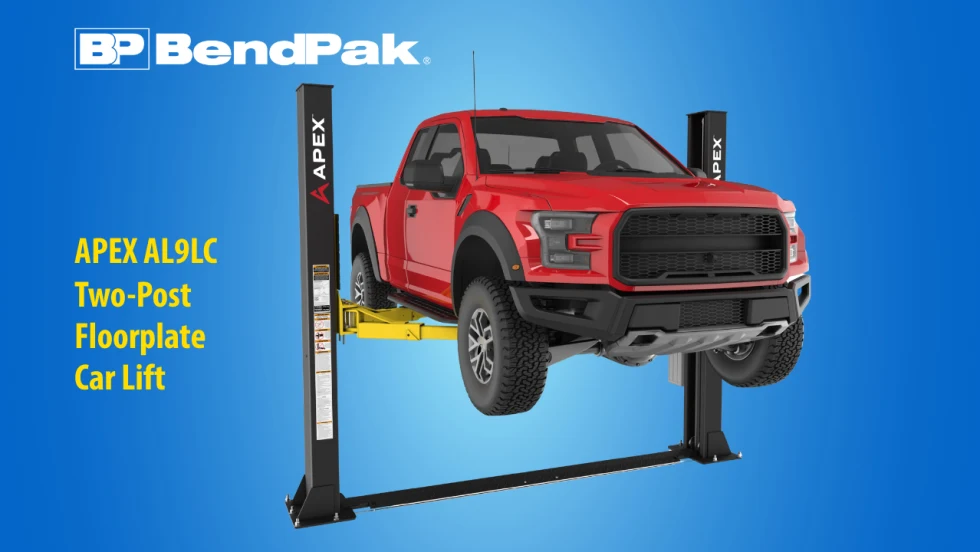
APEX by BendPak AL9LC Two-Post Lift Maximizes Overhead Clearance
BendPak's new APEX AL9LC two-post floorplate car lift maximizes overhead clearance by eliminating the top crossbar found on many two-post lifts, making it a good choice for low-ceiling bays.
Read More →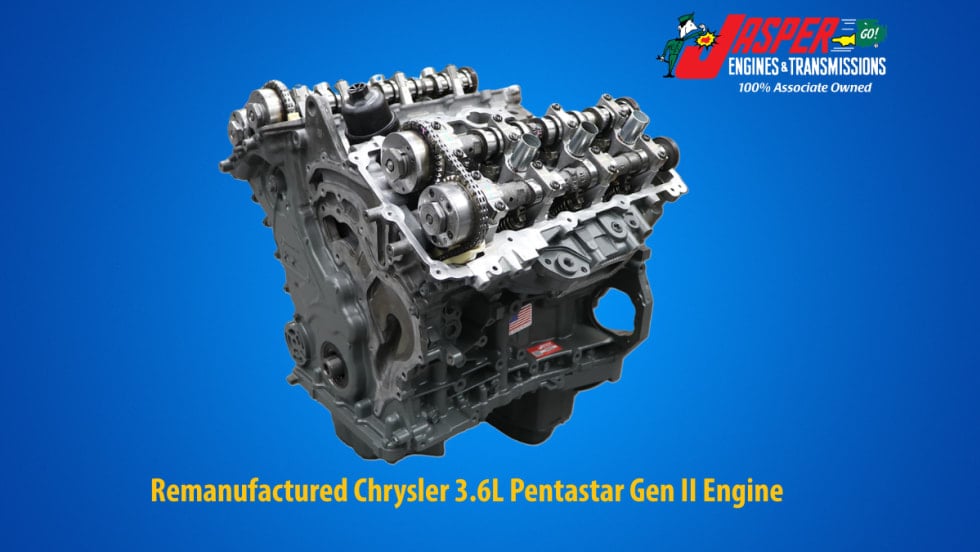
Jasper Offers Remanufactured Chrysler 3.6L Pentastar Gen II Engine
The Jasper Engine & Transmission remanufactured Chrysler 3.6L Pentastar Gen II engine is now available and is covered by a nationwide, transferable, parts and labor warranty of up to 3 Years/100,000 miles.
Read More →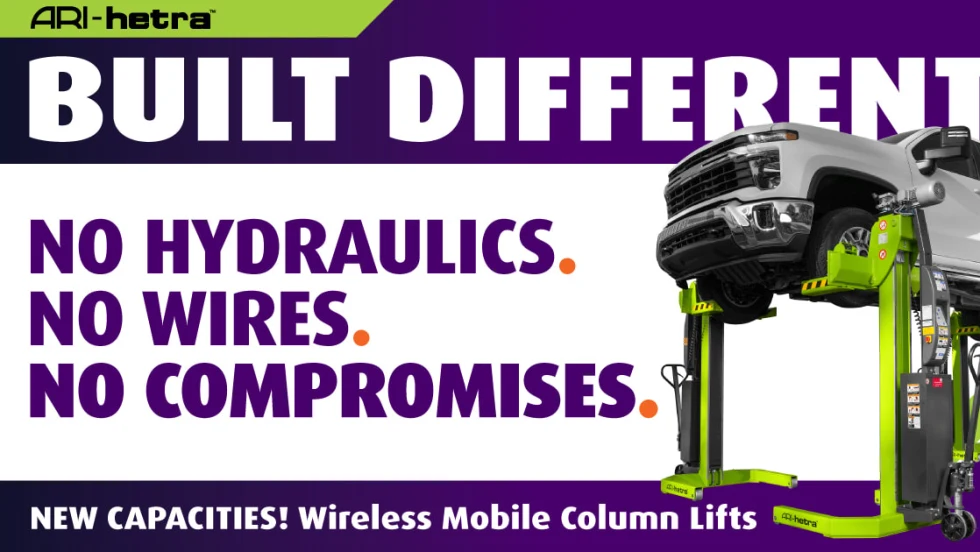
ARI-hetra Launches 9,000-Pound Capacity Wireless Mobile Column Lift
ARI-hetra said its new lift is the industry's first 9,000-pound-capacity mobile column lift, delivering 36,000 pounds of total lifting capacity, ALI-certified safety, and reliable ball-screw performance for dealerships and medium-duty fleets.
Read More →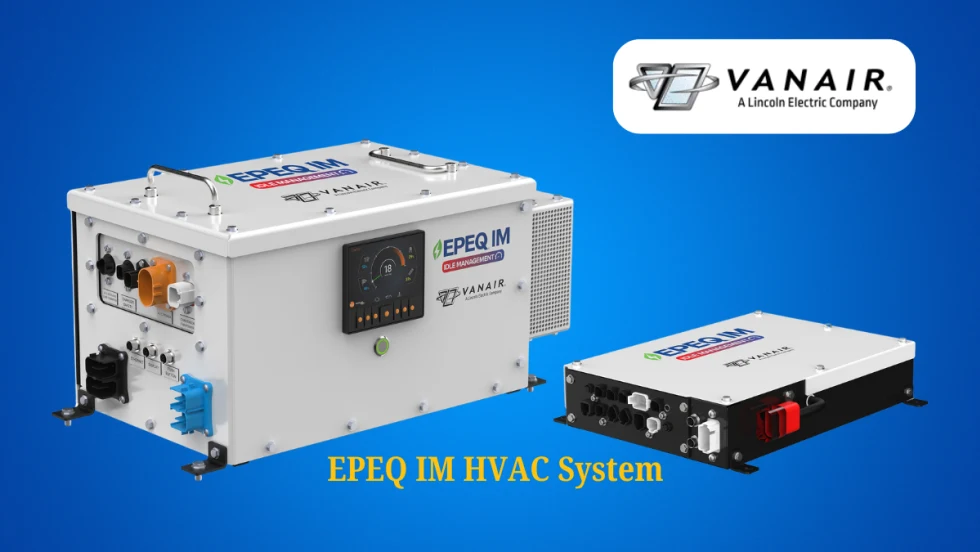
Vanair Introduces EPEQ IM HVAC System Designed to Extend Fleet Asset Life & Reduce TCO
Vanair’s new EPEQ IM HVAC system offers automatic idle management with factory HVAC integration and eliminates engine wear from unnecessary idling.
Read More →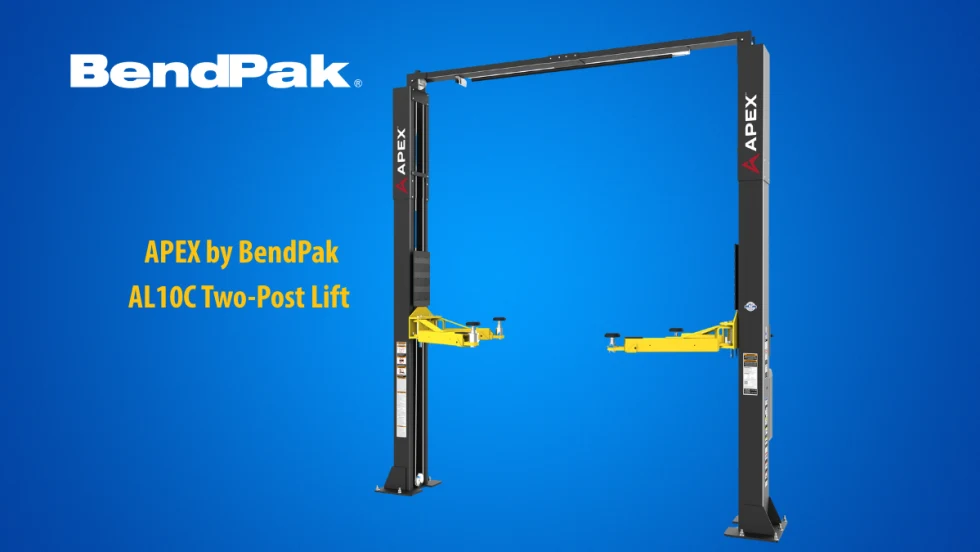
The APEX by BendPak AL10C Two-Post Lift Offers Affordability & 10,000-Pound Lifting Capacity
The APEX by BendPak AL10C Two-Post Lift is the company’s lowest-priced 10,000-pound two-post lift, but it still has full features, including automatic safety locks and flexible arm positioning.
Read More →