




Workhorse Warns Shareholders: Motiv Deal Needs Votes or Standalone Path Could Trigger Restructuring
Workhorse urges shareholders to vote on the Motiv merger, warning a failed deal could trigger restructuring and impact future electric truck support.

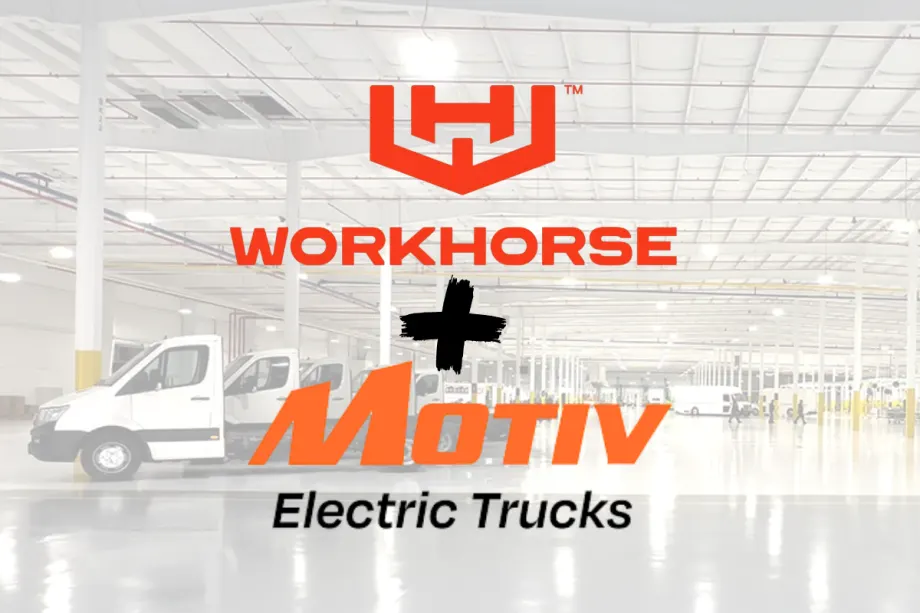
Workhorse and Motiv Electric Trucks move toward a potential merger that would form a combined medium-duty EV truck manufacturer, pending a shareholder vote.
Photo: Workhorse
Workhorse is urging its shareholders to get their votes in ahead of its November 25 annual meeting, saying the outcome could decide the company’s future and the future availability of its electric work trucks.
The company is asking investors to approve its planned merger with Motiv Electric Trucks, a move Workhorse has framed as essential for stabilizing finances, expanding its product portfolio, and competing in the medium-duty EV market. Shareholders of record as of September 18 are eligible to vote, and Workhorse is pushing for participation so the meeting reaches quorum.
According to the company’s latest letter, investors who have already voted are strongly supporting the deal, but Workhorse says it needs more votes submitted for the transaction to officially move forward.
What the Motiv Transaction Would Do
Back in August, Workhorse and Motiv announced a definitive agreement to combine the two companies, creating what they say would be a stronger North American medium-duty electric truck manufacturer.
The combined company would bring together:
Workhorse’s dealer network, manufacturing capabilities, and existing EV platforms
Motiv’s medium-duty Class 4-6 product portfolio and established fleet relationships
Both companies said the merger would help lower unit costs, expand offerings for fleets, and strengthen financial footing through improved scale and a simplified capital structure. Motiv CEO Scott Griffith is expected to lead the combined company, while Workhorse CEO Rick Dauch would remain on as an advisor.
What Happens If Shareholders Don’t Approve the Deal
This is the part fleet buyers will want to pay attention to: Workhorse’s latest letter makes it clear that failure to approve the transaction could significantly impact the company’s ability to operate as-is. If shareholders don’t vote and the deal doesn’t close, Workhorse says it would have to pursue a standalone path.
That standalone path, according to the company, could include a potential restructuring, with Workhorse noting such a scenario would likely result in shareholders’ investment having “little or no value.”
That type of restructuring could also affect Workhorse’s ability to continue producing vehicles, supporting existing fleets, and moving forward with its roadmap.
Why It Matters for Fleets
For fleets currently operating Workhorse vehicles or evaluating future purchases, the outcome of this vote may influence:
Long-term product support
Access to future vehicle platforms
Stability of the manufacturer
Potential delays or shifts in Workhorse’s production plans
The merger would give the combined company additional liquidity and access to new debt financing, plus more tools to scale production. If the deal fails, Workhorse’s ability to access that capital disappears.
More Vehicle Research
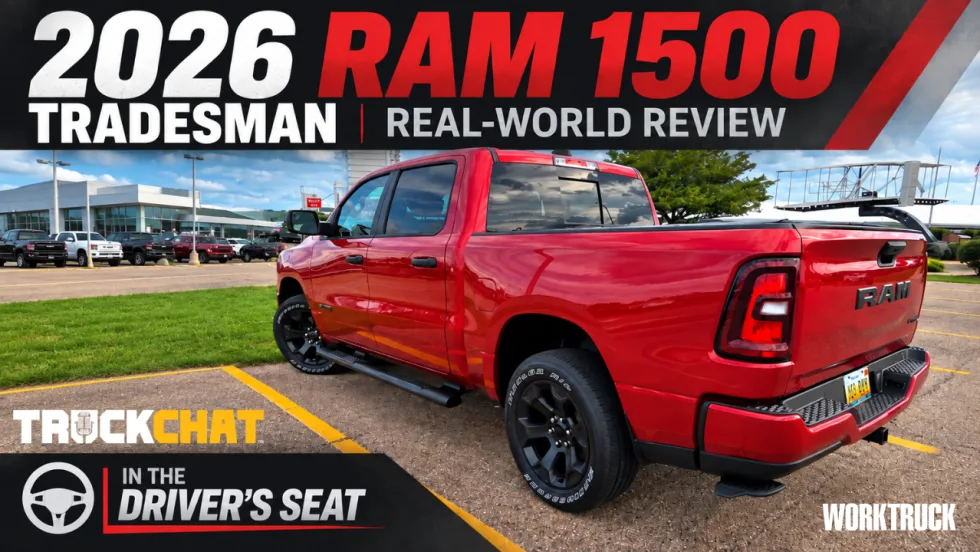
2026 Ram 1500 Tradesman Put to a Real-World Fleet Test
A few days behind the wheel of a 2026 Ram 1500 Tradesman turned into a test of visibility, parking, work-ready features, and even severe-weather driving.
Read More →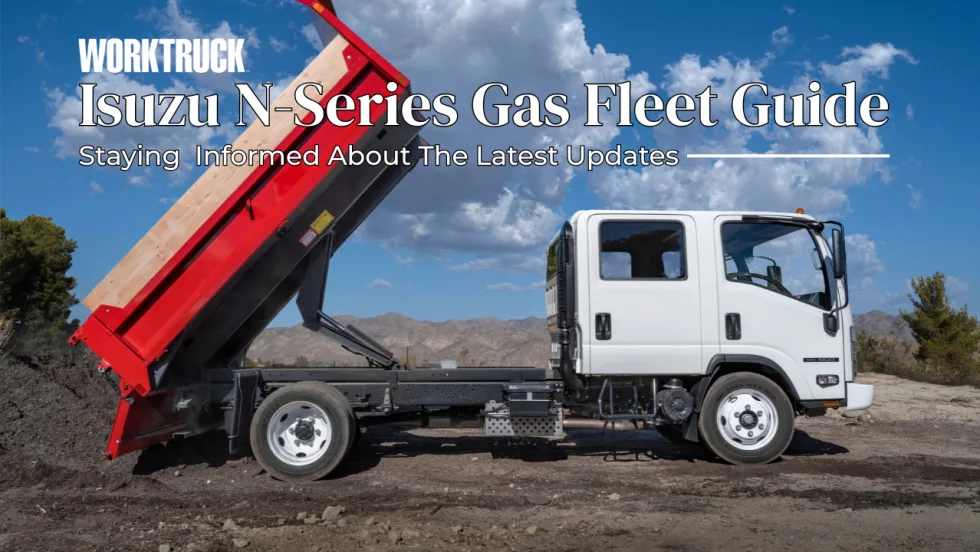
Isuzu N-Series Gas Fleet Guide: Specs, Capability and 2027 Model-Year Updates
Explore Isuzu Truck North America’s N-Series Gas fleet specs, engine performance, GVWR and payload capability, configurations, chassis dimensions, work-focused features, and 2027 model-year information.
Read More →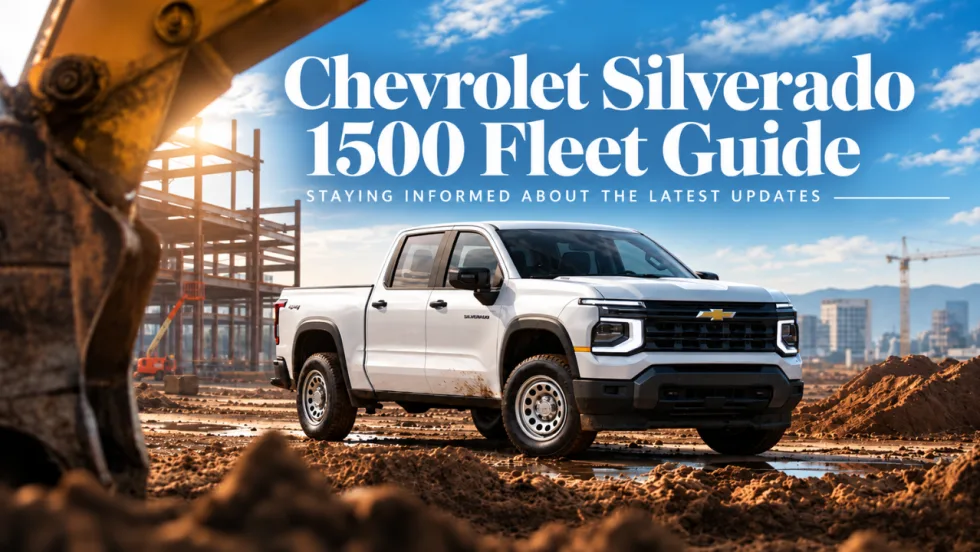
Chevrolet Silverado 1500 Fleet Guide Specs Capability and 2027 Model-Year Updates
The next-generation 2027 Chevrolet Silverado 1500 brings new V-8 engines, updated technology, expanded safety features, and a fleet-focused Work Truck. Here’s what commercial fleets need to know so far.
Read More →
Ram ProMaster City Fleet Guide Specs Cargo Capacity and 2027 Updates
Work Truck’s Ram ProMaster City Fleet Guide tracks the latest specifications, cargo capability, configurations, fleet technology, pricing, and model-year updates for Ram’s mid-size commercial van.
Read More →
Ford F-150 Fleet Guide Specs Capability and 2026 Model-Year Updates
Explore 2026 Ford F-150 fleet specs, engines, towing and payload capability, configurations, work features, technology, and model-year updates.
Read More →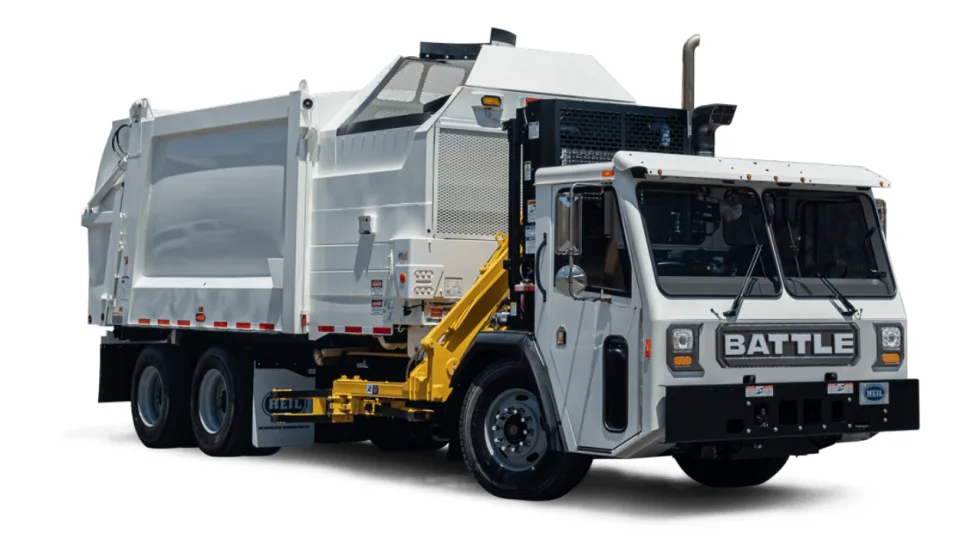
TCI Now Sells & Supports Battle Motors’ Vocational Trucks
Midwest truck dealer Truck Centers, Inc. (TCI) has expanded its transportation solutions with sales and service support for Battle Motors’ heavy-duty vocational trucks at locations in locations in Indiana, Illinois, and Missouri
Read More →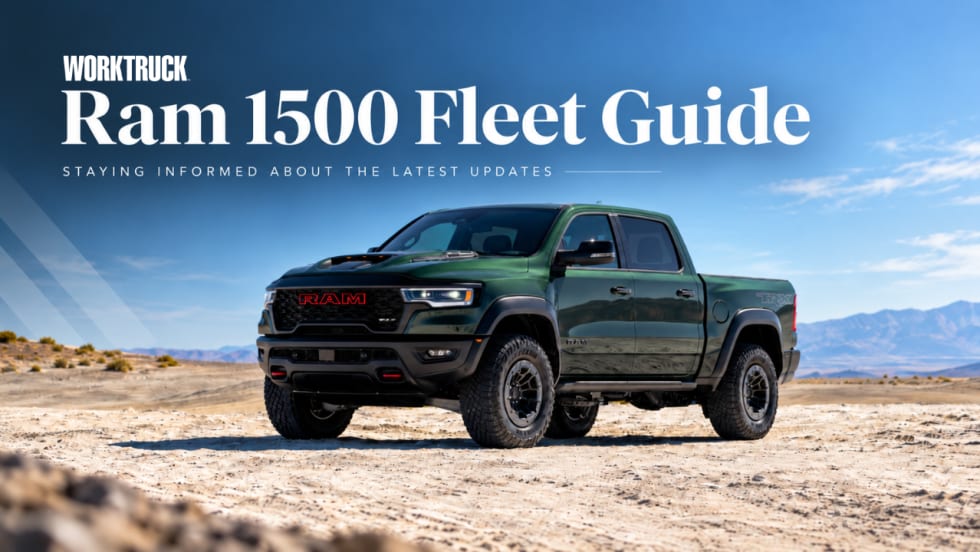
Ram 1500 Fleet Guide Specs, Capability and 2027 Model-Year Updates
Explore always up-to-date Ram 1500 fleet specs, engines, towing and payload capability, configurations, technology, pricing updates, and model-year changes.
Read More →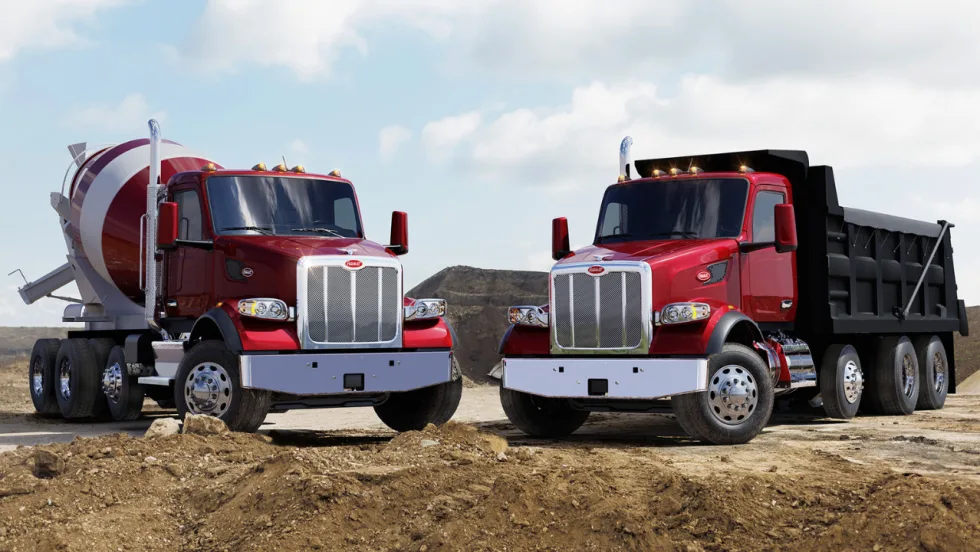
Peterbilt Trucks Equipped with Paccar TX-18 Pro Boost Efficiency for Maryland Fleet
Patuxent Companies is replacing aging trucks with the Peterbilt Model 567 and Model 589, specified with the Paccar TX-18 Pro 18-speed automated transmissions, and is reporting an 8% to 10% improvement in fuel economy.
Read More →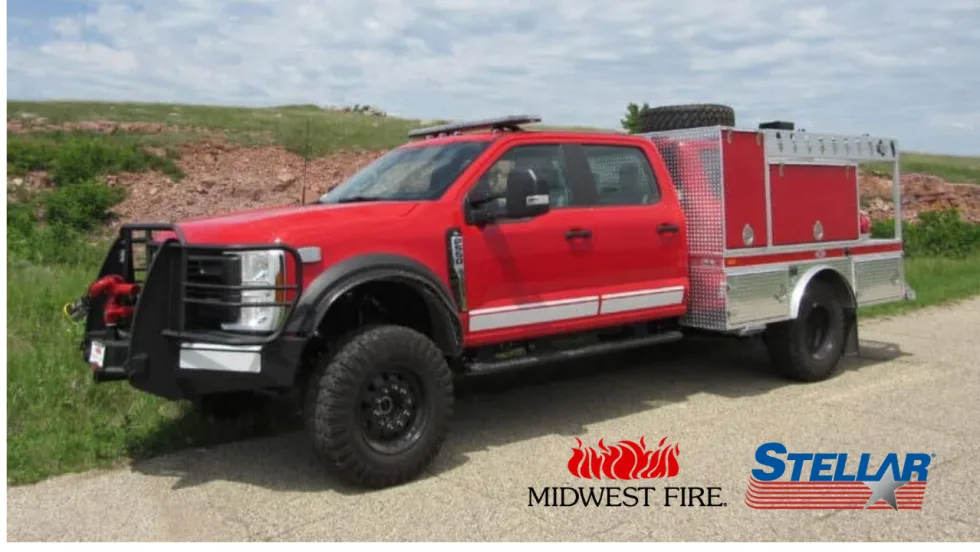
Stellar Expands into Fire Apparatus Market with Acquisition of Midwest Fire
Stellar Industries has acquired Midwest Fire, a custom fire apparatus manufacturer headquartered in Luverne, Minnesota, with nearly four decades of specialized apparatus experience.
Read More →
Recalls You Need to Know About in August 2026
If you have Altec, Chrysler, Ford, Heil, General Motors, International, Mack Trucks, Paccar, Rivian, Royal Truck, Toyota, US Truck Body, or Volvo Trucks vehicles in your fleet, you should check these important recalls issued by the National Highway Safety Administration.
Read More →