




Winter Operation and Maintenance Tips for Fleets
Watch fluids, stay fueled and check tire pressure several times a month.
Winter is extremely hard on vehicles of all types, and especially on fleet vehicles under heavy use. Without a clear strategy, not only for winterization but also for cold-specific vehicle maintenance and operation, fleets may suffer an unusually high failure rate in cold weather.
Best practices for keeping fleet vehicles operating at peak performance in the harshest of climates include:
1. Add Some Spark. Spark plugs acting up will become even more problematic in cold weather. Replace them now. Likewise, aging batteries (3+ years) should be replaced before the cold sets in. For fleet vehicles with fairly new batteries, keep them corrosion free with a post and terminal cleaner to avert big trouble.
2. Stay Fueled. Drivers should never let fuel levels drop below one half a tank of gas. If water vapor collects in the bottom of a tank, it can be drawn into the fuel line and freeze, preventing engine start. In areas of extreme cold, adding gas-line antifreeze will lessen the chances of frozen water vapor disrupting engine operation.
3. Consider Fluids. In addition to oil changes at the recommended mileage (a must during cold weather), checking and topping off fluids such as coolant, power steering, brake, windshield washer, and battery (if applicable) is critical prior to and during cold periods.
4. Keep It Clear. Maintaining vehicle wipers in peak condition is especially important during winter. In areas of heavy snow or frequent storms, fleet operators should consider switching to heavy-duty blades, which can also cut through some ice buildups. Visibility — both for the fleet driver and for the vehicle itself to drivers — is also affected by the brightness of lights. Check each vehicle to make sure every light is working at full beam.
5. Under Pressure. The precipitous temperature drops of winter can cause dangerous tire pressure changes. Drivers should check tire pressure several times a month — more often in areas that experience substantial fluctuations. Improperly inflated tires can reduce gripping action when drivers need it most.
6. Be Proactive. Proactive maintenance, such as inspecting and replacing frayed belts and worn brake pads, is especially important before and during cold weather.
Companies operating without a maintenance reminder program may find it challenging to stay on top of winter operational maintenance, especially in areas where storms may cause teams to be short-handed.
Whether a fleet opts for a manually driven solution such as Microsoft Outlook's Task feature or a comprehensive maintenance management solution with alerts, reminders and prompts for both replacements (brake pads, belts, and other routine replacements) to staged interventions (such as checking lights and tire pressure) can prevent costly breakdowns and avoid accidents.
These tips were compiled by Ownersite Technologies, a web-based and mobile solutions company for fleet maintenance.
More Small Fleet


Developing Budget-Friendly Driver Safety Programs
From driver training and safety meetings to one-on-one coaching and incentive programs, several small fleets share how they have developed a safety culture with their drivers using low- to no-cost resources.
Read More →
Boosting Last-Mile Fleet Uptime, Safety, and Value with AI Vehicle Inspections
AI-powered inspections are transforming last-mile fleets by replacing manual checks with highly accurate automated scans that detect defects in seconds. By giving fleet operations visibility into the daily condition of their vehicles, you can identify trends over the vehicle’s lifecycle that enable improved procurement decisions, route management, driver training and accountability.
Read More →
Five Ways Seat Belts Help Prevent Injuries
There are five ways seat belts protect occupants from injuries, according to the Tennessee Department of Safety and Homeland Security.
Read More →
It’s here: The 2026 Fleet Technology Trends Report
What does AI mean for fleets? Get the answer — and learn other top tech trends.
Read More →
Small Fleets, Big Impact: How Independent Drivers Power Wreaths Across America
Check out how small fleets and independent drivers power Wreaths Across America each December and why their impact matters more than ever.
Read More →
VMS Survey Finds 65% of Small Fleet Managers Run Operations Alone
A new VMS survey shows small fleet managers are stretched thin, with most handling operations solo and eager to adopt digital tools for relief.
Read More →
Tips for Driving Safely on Halloween Night
This video features a reminder from the Connecticut Department of Transportation (DOT) and the Connecticut Police Chiefs Association, urging drivers to prioritize safety this Halloween.
Read More →
AI, Access, and Uptime: VMS’s Next Chapter with David Prusinski
VMS’s new Co-CEO, David Prusinski, shares how an AI-first approach will give small fleets and repair shops the tools to compete like big players.
Read More →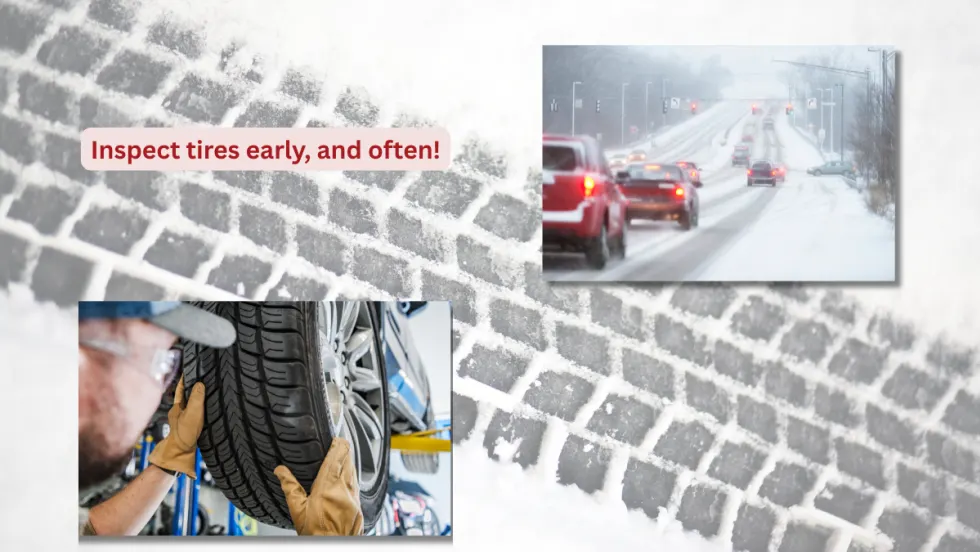
Fleet Managers Share Winter Prep Tips: It's Never Too Early!
Three fleets share best practices to prep vehicles for winter and prevent downtime when the cold sets in.
Read More →