




Why Is Construction Equipment Theft on the Rise?
LoJack study finds that newer equipment, boom construction areas and warm-weather climates relate to higher crime rates.
The fourth annual Construction Equipment Theft Report, conducted by the LoJack Corporation, revealed a rise in the number of professional theft rings and chop shops discovered by law enforcement using the LoJack system. In 2004, recoveries of LoJack-equipped construction equipment led police to locate 12 theft rings and seven chop shops, up from three theft rings and two chop shops in 2003. Equipment theft costs construction companies up to $1 billion per year in lost assets, according to the National Insurance Crime Bureau (NICB). LoJack offers a few reasons for the rise in construction equipment theft: * A title and registration for equipment is not mandated, making it harder for equipment to be traced back to owners and, hence, easier for thieves to get away with the crime. * Crime of this nature is driven by supply and demand and construction equipment is in high demand, making this a lucrative business opportunity for thieves. * Many construction sites have inadequate security and sites are often in unsecured, remote locations. * Equipment often have "open" cabs, making it easier for thieves to get in. * Thieves can often access universal keys that can start many pieces of equipment and/or vehicles. Other Findings: As in the prior year, the study found that the newer equipment on the job site are most common theft targets because of higher resale value. The types of equipment most frequency stolen are (in order): loaders, skid steers, generators, air compressors, dump trucks, welders and untethered trailers, light utility/work trucks and forklifts. These equipment types represented 81 percent of all construction equipment recoveries documented by LoJack last year. The LoJack report found that rates of construction equipment theft and recovery were again highest in those states where rapid growth or rebuilding had fueled more construction projects. Additionally, states with warmer weather have more construction year-round, translating into more opportunities for thieves. California was the most active area with 25 percent of the total recoveries; Florida was next at 19 percent, followed by Texas at 16 percent.
More Small Fleet


Developing Budget-Friendly Driver Safety Programs
From driver training and safety meetings to one-on-one coaching and incentive programs, several small fleets share how they have developed a safety culture with their drivers using low- to no-cost resources.
Read More →
Boosting Last-Mile Fleet Uptime, Safety, and Value with AI Vehicle Inspections
AI-powered inspections are transforming last-mile fleets by replacing manual checks with highly accurate automated scans that detect defects in seconds. By giving fleet operations visibility into the daily condition of their vehicles, you can identify trends over the vehicle’s lifecycle that enable improved procurement decisions, route management, driver training and accountability.
Read More →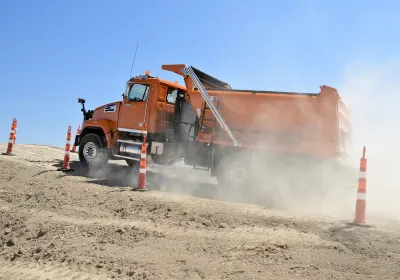

Five Ways Seat Belts Help Prevent Injuries
There are five ways seat belts protect occupants from injuries, according to the Tennessee Department of Safety and Homeland Security.
Read More →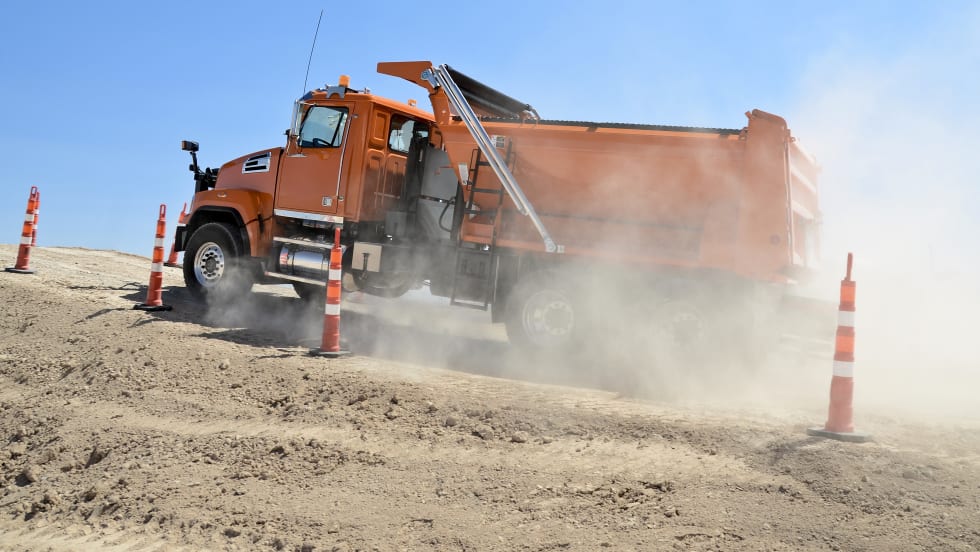
Basic Tracking vs Next Generation Fleet Technology
Fleet software is getting more sophisticated and effective than ever, tying big data models together to transform maintenance, safety, and the value of your existing tech stack. Fleet technology upgrades are undoubtedly an investment, but updated technology can offer a much higher return. Read how upgrading your fleet technology can increase the return on your investment.
Read More →
It’s here: The 2026 Fleet Technology Trends Report
What does AI mean for fleets? Get the answer — and learn other top tech trends.
Read More →
Small Fleets, Big Impact: How Independent Drivers Power Wreaths Across America
Check out how small fleets and independent drivers power Wreaths Across America each December and why their impact matters more than ever.
Read More →
VMS Survey Finds 65% of Small Fleet Managers Run Operations Alone
A new VMS survey shows small fleet managers are stretched thin, with most handling operations solo and eager to adopt digital tools for relief.
Read More →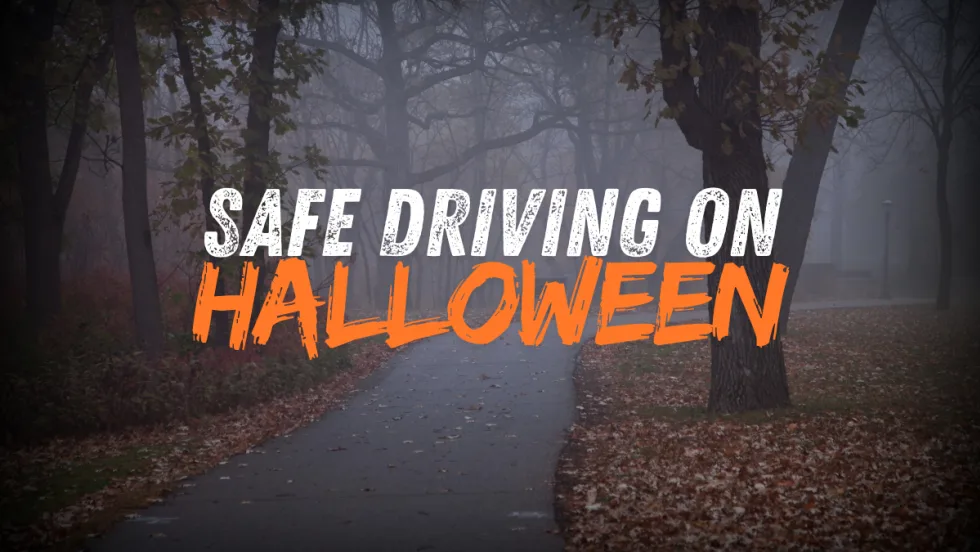
Tips for Driving Safely on Halloween Night
This video features a reminder from the Connecticut Department of Transportation (DOT) and the Connecticut Police Chiefs Association, urging drivers to prioritize safety this Halloween.
Read More →
AI, Access, and Uptime: VMS’s Next Chapter with David Prusinski
VMS’s new Co-CEO, David Prusinski, shares how an AI-first approach will give small fleets and repair shops the tools to compete like big players.
Read More →