




Why Energy Tax Credit Favors Big Vehicles
The new formula--that considers both relative fuel economy and the total amount of fuel saved--provides greater financial incentives for buying heavy SUVs over more fuel-efficient cars.
The recently enacted Energy Policy Act of 2005 changes the tax credit for purchasing a hybrid vehicle from a standard deduction to a specific amount per model. The new formula provides greater financial incentives for buying heavy SUVs over more fuel-efficient cars, according to an October 11 report on Wired.com. The law, which takes effect in 2006, uses a formula that considers both relative fuel economy and the total amount of fuel saved. This table from the American Council for an Energy Efficient Economy, or ACEEE, estimates the likely tax credits for each vehicle model based on the formulas describe in the legislation. The table shows that on average SUVs receive a higher tax incentive than the most fuel-efficient cars on the market. People who buy the 33-mpg Toyota Highlander Hybrid get a $2,600 write-off--nearly twice the $1,450 tax credit for the 57-mpg Honda Insight. On average, the four most fuel-efficient hybrids, averaging 53.5 mpg, receive a smaller incentive ($2,100) than the five SUVs ($2,310) that get 32.8 mpg. The tax credit is based in part on how fuel efficient the car is compared to the average consumption of vehicles of similar weight, Jim Kliesch, a vehicle analyst with ACEEE, said in the Wired report. For this reason, the Honda Insight receives less credit than the similar performing but heavier Toyota Prius. The fuel savings component is based on the total fuel saved during the expected lifetime of a vehicle, which enables slight improvements to gas-guzzling vehicles to equal that of big improvements in fuel-efficient vehicles. For example, increasing the gas mileage of an SUV from 14 to 16 miles per gallon saves the same amount of gasoline (134 gallons) in a year as boosting the fuel efficiency of a passenger car from 35 to 51 miles per gallon, according to Kliesch. The amount of the tax credit also depends on when you buy. The tax credit is cut in half for each manufacturer three months after the company sells a total of 60,000 hybrids. For example, if Toyota sells 60,000 hybrids by March of 2006, then in July the tax credit is cut in half. It goes down to 25 percent in January of 2007 and ends in June. Therefore Toyota and Honda, which have brought their hybrids to market first, will see the tax credits for their buyers disappear first. A Toyota spokeswoman said she does not believe the tax credit limit is unfair, but said the company may have trouble meeting demand if consumers rush to buy hybrids early in the year to make sure they receive the full credit. She said the company will likely sell 60,000 hybrids within the first six months of 2006, and Toyota has less than one day of supply of Prius vehicles on hand.
More Small Fleet


Developing Budget-Friendly Driver Safety Programs
From driver training and safety meetings to one-on-one coaching and incentive programs, several small fleets share how they have developed a safety culture with their drivers using low- to no-cost resources.
Read More →
Boosting Last-Mile Fleet Uptime, Safety, and Value with AI Vehicle Inspections
AI-powered inspections are transforming last-mile fleets by replacing manual checks with highly accurate automated scans that detect defects in seconds. By giving fleet operations visibility into the daily condition of their vehicles, you can identify trends over the vehicle’s lifecycle that enable improved procurement decisions, route management, driver training and accountability.
Read More →
Five Ways Seat Belts Help Prevent Injuries
There are five ways seat belts protect occupants from injuries, according to the Tennessee Department of Safety and Homeland Security.
Read More →
It’s here: The 2026 Fleet Technology Trends Report
What does AI mean for fleets? Get the answer — and learn other top tech trends.
Read More →
Small Fleets, Big Impact: How Independent Drivers Power Wreaths Across America
Check out how small fleets and independent drivers power Wreaths Across America each December and why their impact matters more than ever.
Read More →
VMS Survey Finds 65% of Small Fleet Managers Run Operations Alone
A new VMS survey shows small fleet managers are stretched thin, with most handling operations solo and eager to adopt digital tools for relief.
Read More →
Tips for Driving Safely on Halloween Night
This video features a reminder from the Connecticut Department of Transportation (DOT) and the Connecticut Police Chiefs Association, urging drivers to prioritize safety this Halloween.
Read More →
AI, Access, and Uptime: VMS’s Next Chapter with David Prusinski
VMS’s new Co-CEO, David Prusinski, shares how an AI-first approach will give small fleets and repair shops the tools to compete like big players.
Read More →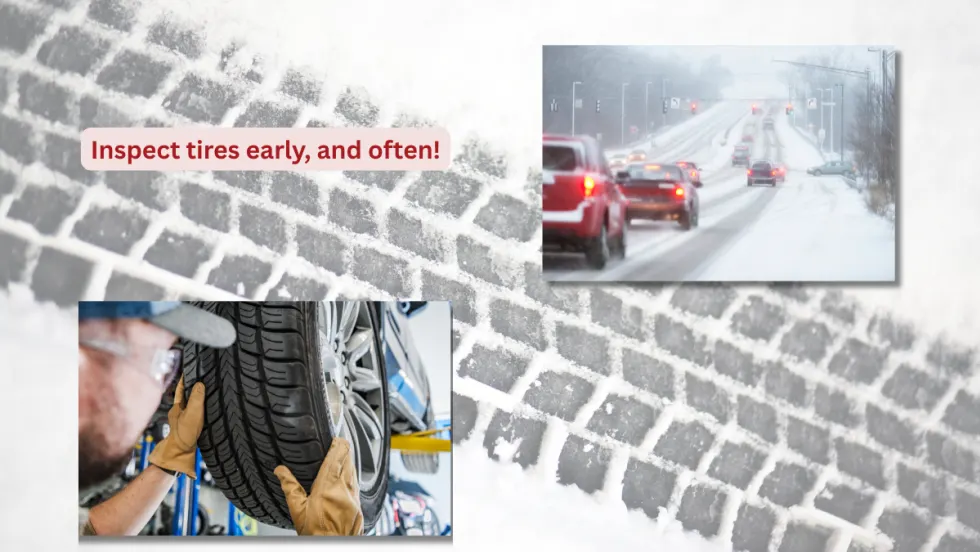
Fleet Managers Share Winter Prep Tips: It's Never Too Early!
Three fleets share best practices to prep vehicles for winter and prevent downtime when the cold sets in.
Read More →