




Volkswagen to Buy Back Diesel Vehicles
Volkswagen AG has agreed to pay up to $15.3 billion in a settlement with regulators that requires the German automaker to buy back vehicles at pre-scandal prices and set aside funding for cleaner technologies.
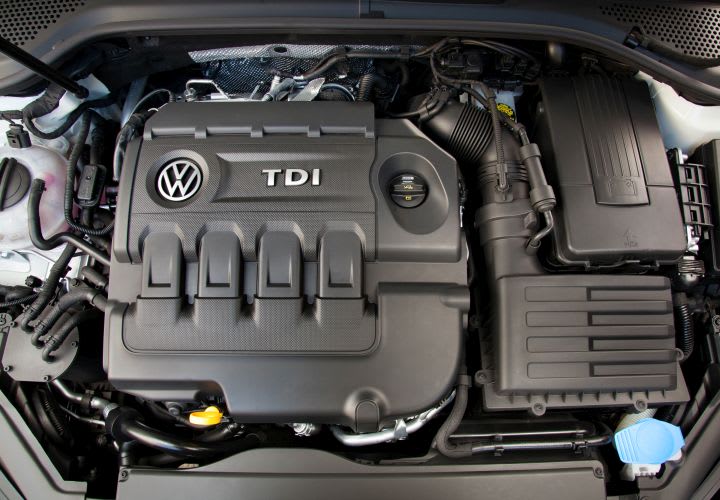
Photo of 2015 Golf TDI engine courtesy of VW.
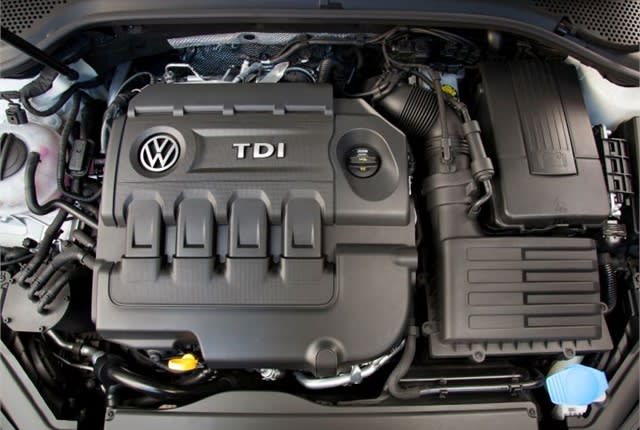
Photo of 2015 Golf TDI engine courtesy of VW.
Volkswagen AG has agreed to pay up to $15.3 billion in a settlement with regulators that requires the German automaker to buy back vehicles at pre-scandal prices and set aside funding for cleaner technologies.
The deal was announced June 28 by the Department of Justice, Federal Trade Commission, Environmental Protection Agency, and California regulators. Volkswagen has also agreed to settle private claims under a civil action brought by plaintiffs, according to a release.
The settlement covers its 2.0L TDI engines in approximately 475,000 vehicles, including 460,000 VW vehicles and 15,000 Audi vehicles.
Volkswagen has set aside $10.033 billion for the buybacks and lease terminations. In addition, the automaker will set up a $2.7 billion environmental remediation fund and invest $2 billion in initiatives to promote the use of zero-emissions vehicles.
The company has also agreed to spend $603 million to settle state consumer protection claims in 44 states, the District of Columbia and Puerto Rico.
The agreements are subject to the approval of federal district court Judge Charles Breyer.
Read the company's full release here.
Originally posted on Automotive Fleet
More Small Fleet

Developing Budget-Friendly Driver Safety Programs
From driver training and safety meetings to one-on-one coaching and incentive programs, several small fleets share how they have developed a safety culture with their drivers using low- to no-cost resources.
Read More →
Boosting Last-Mile Fleet Uptime, Safety, and Value with AI Vehicle Inspections
AI-powered inspections are transforming last-mile fleets by replacing manual checks with highly accurate automated scans that detect defects in seconds. By giving fleet operations visibility into the daily condition of their vehicles, you can identify trends over the vehicle’s lifecycle that enable improved procurement decisions, route management, driver training and accountability.
Read More →
Five Ways Seat Belts Help Prevent Injuries
There are five ways seat belts protect occupants from injuries, according to the Tennessee Department of Safety and Homeland Security.
Read More →
It’s here: The 2026 Fleet Technology Trends Report
What does AI mean for fleets? Get the answer — and learn other top tech trends.
Read More →
Small Fleets, Big Impact: How Independent Drivers Power Wreaths Across America
Check out how small fleets and independent drivers power Wreaths Across America each December and why their impact matters more than ever.
Read More →
VMS Survey Finds 65% of Small Fleet Managers Run Operations Alone
A new VMS survey shows small fleet managers are stretched thin, with most handling operations solo and eager to adopt digital tools for relief.
Read More →
Tips for Driving Safely on Halloween Night
This video features a reminder from the Connecticut Department of Transportation (DOT) and the Connecticut Police Chiefs Association, urging drivers to prioritize safety this Halloween.
Read More →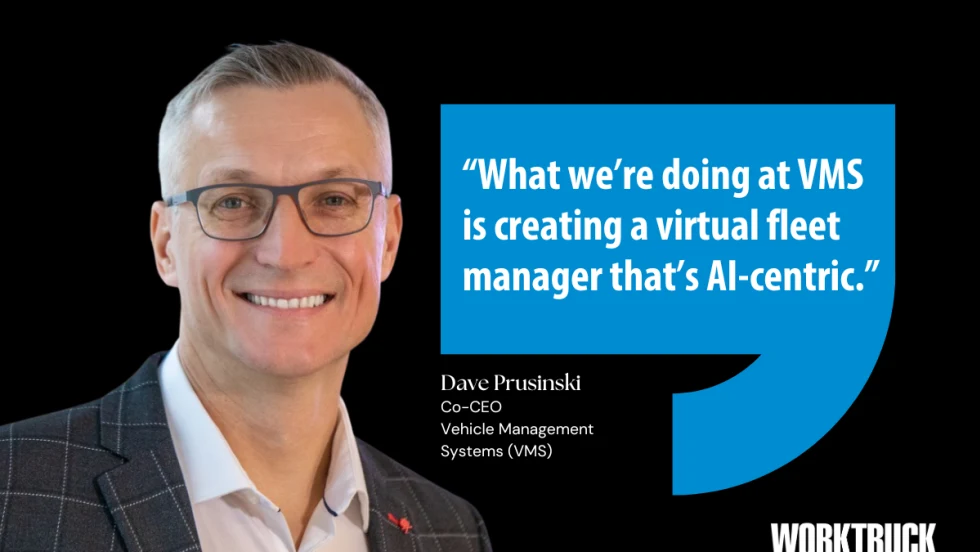
AI, Access, and Uptime: VMS’s Next Chapter with David Prusinski
VMS’s new Co-CEO, David Prusinski, shares how an AI-first approach will give small fleets and repair shops the tools to compete like big players.
Read More →
Fleet Managers Share Winter Prep Tips: It's Never Too Early!
Three fleets share best practices to prep vehicles for winter and prevent downtime when the cold sets in.
Read More →