




Video: NHTSA Recommends Ignition Interlocks for All DWI Offenders
The federal agency releases guidelines on how state governments can improve the use of ignition interlock devices to prevent impaired driving.
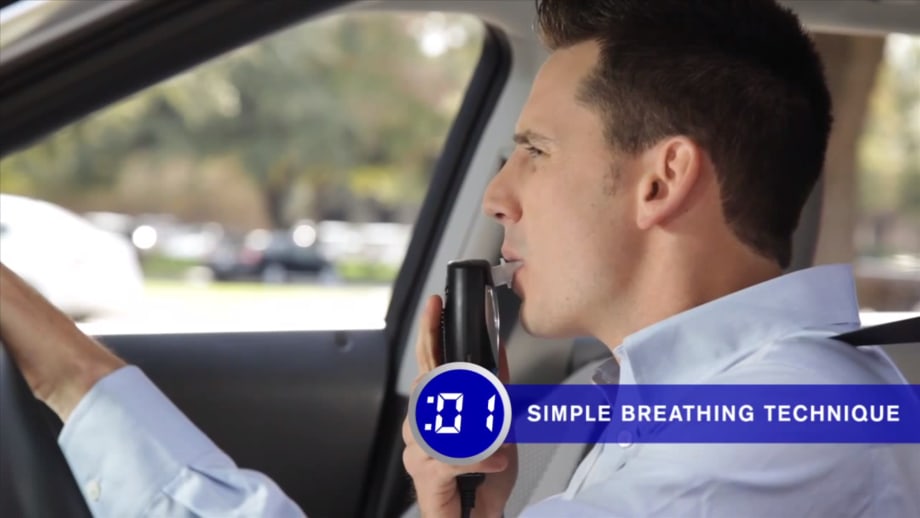
The Drager Interlock XT is among the leading ignition interlock devices on the market. To see how it works, click on the video below.
The Drager Interlock XT is among the leading ignition interlock devices on the market. To see how it works, click on the video below.
The National Highway Traffic Safety Administration has released a guideline document that recommends what steps states can take to improve their ignition interlock programs. Those actions include requiring ignition interlocks for all individuals convicted of, or having their driving privileges suspended for, alcohol-impaired driving.
This policy recommendation includes first-time DWI offenders, as a condition of license reinstatement.
In the document, NHTSA also advises state legislators to eliminate loopholes that let some DWI offenders avoid participation in the ignition interlock program and to establish a minimum length of time that DWI offenders must use the device.
In addition, to comply with minimum federal standards, each state must require all repeat offenders to either use an ignition interlock for at least one year or to lose their license for one year. Failure to do so risks the loss of federal highway funds.
Alcohol ignition interlock devices prevent intoxicated drivers from operating a motor vehicle if their breath alcohol concentration (BAC) exceeds a set point – typically .020. Before a vehicle will start, the driver must blow into the device and the breath sample must register a score within the acceptable range. To see a device demonstration, you can watch the Drager Interlock video below.
The NHTSA document, titled “Model Guideline for State Ignition Interlock Programs,” also advises states to make training about ignition interlock devices available to a range of employees, including DMV staff, law enforcement officers, prosecutors, judges, probation officers and drug treatment specialists. Device manufacturers should be required to train users to ensure they understand how the device works, the program violations and sanctions, reporting and service requirements, and who to contact for further information, NHTSA said.
Additional recommendations include:
Ensuring residents in rural areas have access to the devices
Establishing criteria to determine a DWI offender’s ability to pay fees associated with device use
Creating self-sustaining strategies to pay for the ignition interlock program
Establishing procedures for monitoring offenders
Defining program violations and reporting requirements
Establishing technical and certification requirements for devices that qualify for use in the program
Creating a vendor oversight plan.
Click here to see a list of current state ignition interlock laws.
On Jan. 1, a new Colorado law took effect that regulates ignition interlock-restricted licenses and the consequences of refusing a sobriety test. Click here for a Dec. 17 video report from ABC Channel 7 News in Denver.
Originally posted on Automotive Fleet
More Small Fleet


Developing Budget-Friendly Driver Safety Programs
From driver training and safety meetings to one-on-one coaching and incentive programs, several small fleets share how they have developed a safety culture with their drivers using low- to no-cost resources.
Read More →
Boosting Last-Mile Fleet Uptime, Safety, and Value with AI Vehicle Inspections
AI-powered inspections are transforming last-mile fleets by replacing manual checks with highly accurate automated scans that detect defects in seconds. By giving fleet operations visibility into the daily condition of their vehicles, you can identify trends over the vehicle’s lifecycle that enable improved procurement decisions, route management, driver training and accountability.
Read More →
Five Ways Seat Belts Help Prevent Injuries
There are five ways seat belts protect occupants from injuries, according to the Tennessee Department of Safety and Homeland Security.
Read More →
It’s here: The 2026 Fleet Technology Trends Report
What does AI mean for fleets? Get the answer — and learn other top tech trends.
Read More →
Small Fleets, Big Impact: How Independent Drivers Power Wreaths Across America
Check out how small fleets and independent drivers power Wreaths Across America each December and why their impact matters more than ever.
Read More →
VMS Survey Finds 65% of Small Fleet Managers Run Operations Alone
A new VMS survey shows small fleet managers are stretched thin, with most handling operations solo and eager to adopt digital tools for relief.
Read More →
Tips for Driving Safely on Halloween Night
This video features a reminder from the Connecticut Department of Transportation (DOT) and the Connecticut Police Chiefs Association, urging drivers to prioritize safety this Halloween.
Read More →
AI, Access, and Uptime: VMS’s Next Chapter with David Prusinski
VMS’s new Co-CEO, David Prusinski, shares how an AI-first approach will give small fleets and repair shops the tools to compete like big players.
Read More →
Fleet Managers Share Winter Prep Tips: It's Never Too Early!
Three fleets share best practices to prep vehicles for winter and prevent downtime when the cold sets in.
Read More →