





Download the Verizon Connect 2026 Fleet Technology Trends Report Today!
Verizon Connect 2026 Fleet Technology Trends Report Shows AI Moving from Buzzword to Bottom Line
AI is quickly becoming a fleet must-have. See what’s driving the surge in video AI, GPS adoption, and tech-led cost control in 2026.
February 27, 2026
Verizon Connect’s 2026 Fleet Technology Trends Report highlights the growing role of AI and connected data in fleet operations.
Credit: Work Truck
3 min to read
Artificial intelligence is officially out of the “interesting idea” phase and into daily fleet operations.
That’s one of the big takeaways from Verizon Connect’s 2026 Fleet Technology Trends Report, which looks at how fleets are using technology to improve safety, boost productivity, and make smarter decisions with their data.
Now in its sixth year, the report draws on feedback from nearly 900 fleet professionals across government, commercial, and enterprise operations. The overall theme is clear. Connected data and AI-powered tools are reshaping how fleets manage risk, control costs, and plan ahead.
Video AI Adoption Keeps Climbing
Video telematics continues to gain traction. Adoption has reached 46%, up 10 percentage points since 2023. Among fleets using AI-powered video telematics:
74% report improved driver safety
41% say it significantly enhances driver coaching
48% report reduced accident-related costs
64% say it helps protect against false claims
The combination of video intelligence and GPS tracking is giving fleets more visibility into driver behavior. The result is more proactive coaching, fewer surprises, and, ideally, fewer incidents.
GPS Tracking Becomes the Norm
GPS fleet tracking is now mainstream. Four out of five fleet professionals (or 80%) rely on it. That represents an 11-point increase year-over-year.
For many fleets, tracking is no longer a “nice to have.” It is foundational technology that supports everything from routing to utilization to compliance.
Efficiency Leads the Priority List
Over the next 12 to 18 months, fleet leaders say their top focus areas are:
Increasing efficiency and productivity, 66%
Reducing operational costs, 62%
Enhancing driver safety, 52%
Simplifying and streamlining fleet data, 34%
In other words, fleets are looking for ways to do more with what they already have. Technology is playing a central role in making that happen.
Increased Cost Control through Technology
To help offset rising costs, fleet managers report average decreases of 11% to 19% in areas such as fuel, accidents, labor, and maintenance when using fleet technology solutions.
Specific tools are also driving measurable results:
44% of GPS tracking users report improved productivity
53% of asset tracking users report better equipment utilization
55% of field service management users report improved operational efficiency
Nearly half of users across major technologies say they saw ROI in less than a year
That combination of productivity gains and faster payback is helping technology shift from line-item expense to strategic investment.
What Comes Next for AI in Fleets?
Looking ahead, fleets expect AI tools to become more proactive and more autonomous. Emerging capabilities such as AI data assistants, auto-generated insights, and agentic AI are expected to help surface trends and recommend actions with less manual digging through reports.
The shift is subtle but important. Instead of reacting to what already happened, fleets are positioning themselves to anticipate issues, optimize routes, and plan maintenance before problems escalate. If 2025 was about collecting more data, 2026 looks like it will be about putting that data to work.
More Technology
GM Brings New Truck Focused Interface to 2027 Silverado and Sierra
GM's new pickup interface puts trailering data, camera views, vehicle controls, and smartphone integration closer to the driver in the 2027 Silverado and Sierra.
Read More →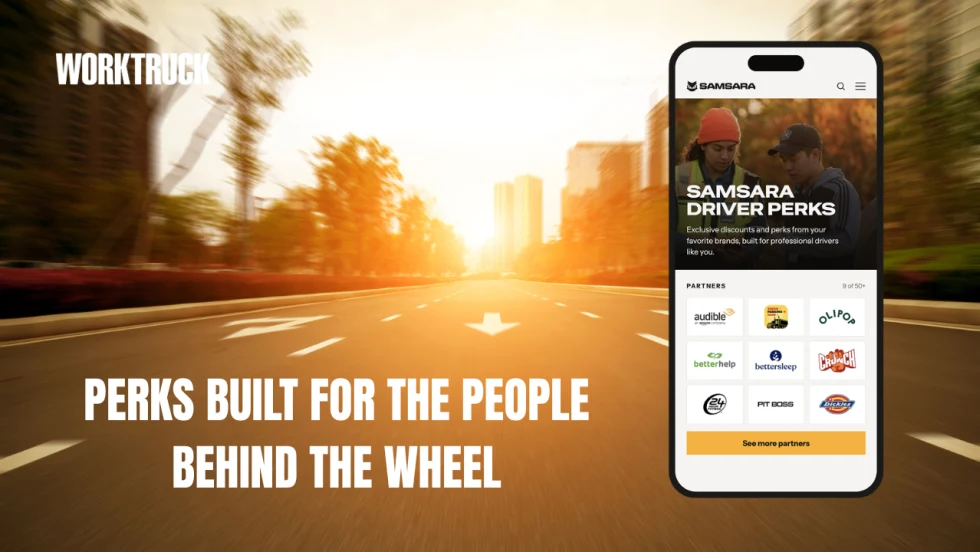
Samsara Driver Perks Expands Rewards Beyond the Long Haul Driver
Samsara’s new driver rewards program was built with a broader professional driver in mind, including employees who split their day between driving, job sites, service calls, and other work.
Read More →
AI Service Advisor Aims to Cut Fleet Repair Downtime
Fleetio said its AI Service Advisor can help fleets cut repair downtime by an average of 2.5 hours per repair while reducing manual maintenance work.
Read More →
Verra Mobility Launches AI-Driven Title & Registration Solution
Verra Mobility has launched a new AI-driven Title & Registration platform to help fleets move vehicles from acquisition to the road the same day while reducing compliance risk.
Read More →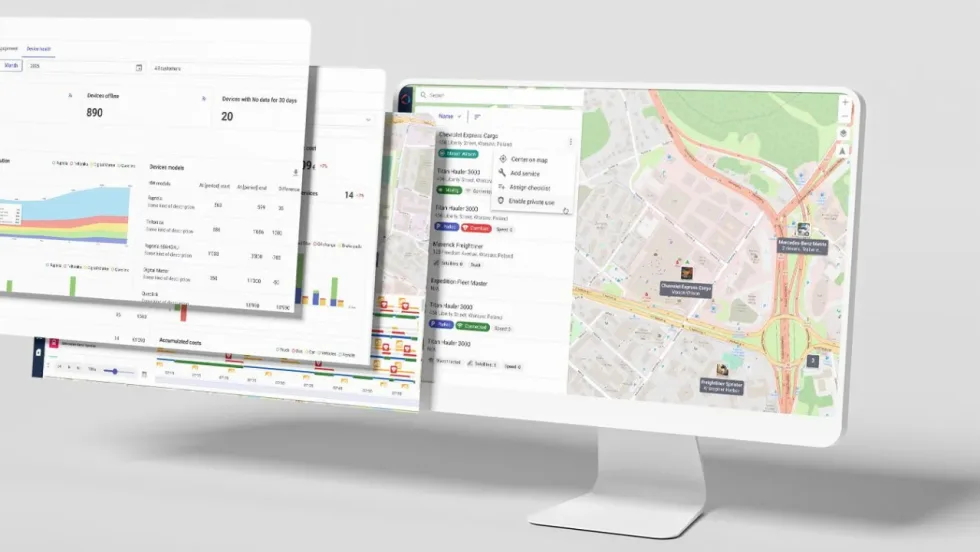
Wialon Unlocks OEM Data to Give Fleet Owners Data Ownership & Operational Clarity
Wialon has introduced hardware-free OEM integration as the EU Data Act accelerates the shift in vehicle data access across the fleet industry in many countries.
Read More →
Teletrac Navman Promotes New CEO from Within
Teletrac Navman’s next CEO, Ricardo Buranello, has served as the company’s chief financial and operating officer. He brings deep financial and operational expertise, a strong strategic orientation, and an intimate knowledge of the business to his new role.
Read More →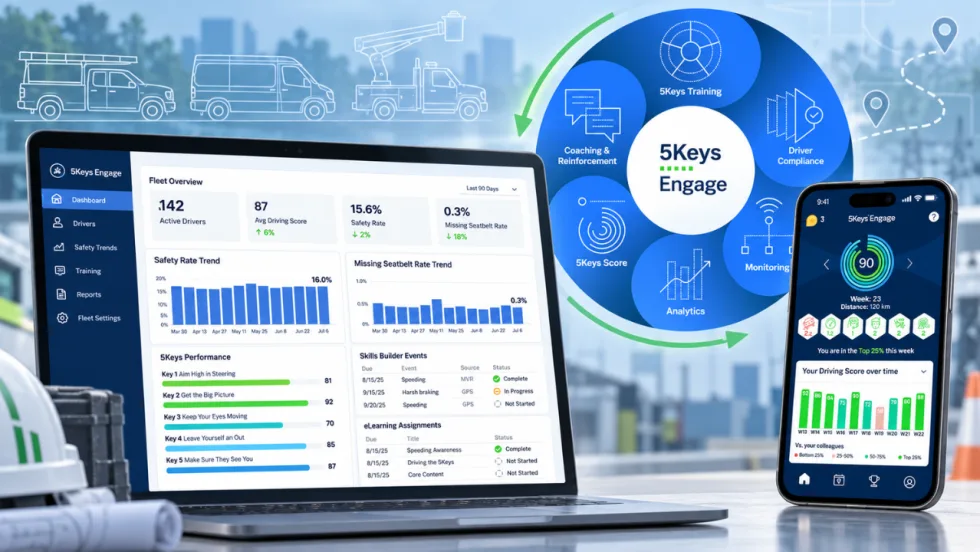
Smith System Wants Work Truck Fleets to Look Beyond the Driver Alert
Smith System’s new Driver Risk Management program is built to help mixed work truck fleets turn telematics alerts and observations into specific behaviors, coaching actions, and measurable follow-up.
Read More →
Ford Pro Software Updates: August 26
Check out the latest Ford Pro software updates, including Google Maps integration, Remote Vehicle Alarm integration, Motor Pool for easier management of shared pool vehicles, and more.
Read More →
Where AI Is Actually Saving Fleet Managers Time
AI is moving past the buzzword stage and into the daily fleet workflow. Fleetio’s Brianna Perry Lang breaks down where fleets are seeing real time savings, from maintenance and data entry to repair decisions, safety, and compliance
Read More →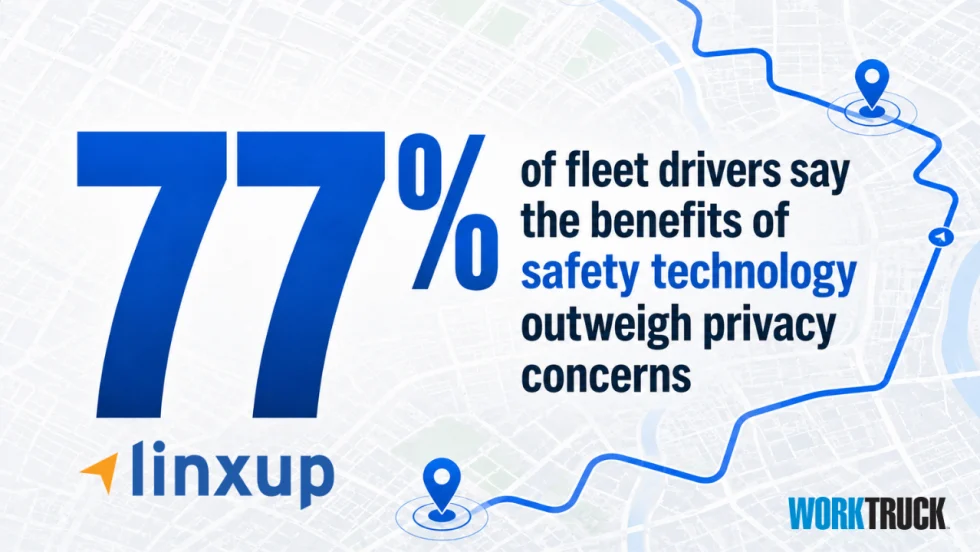
Are Work Truck Drivers Warming Up to Dash Cams and GPS Tracking?
A new survey finds field-service drivers may be more comfortable with dash cams and GPS tracking than fleet managers think, especially when the technology helps protect them after a crash.
Read More →