




Vehicle Manufacturers, Dealers and the State of California Resolve Zero Emission Litigation
The California Air Resources Board (ARB), the California Attorney General's Office, DaimlerChrysler Corporation, Isuzu Motors Limited, General Motors Corporation, and several motor vehicle dealers jointly announced an agreement bringing an end to litigation involving the 2001 Zero Emission Vehicle regulation. The litigation involves three separate lawsuits that the manufacturers and dealers filed last year in federal and state courts located in Fresno. Those lawsuits challenged the ARB's authority to promulgate the 2001 ZEV regulation. They were based on claims under several state laws, as well as a claim that federal fuel economy laws preempt the 2001 ZEV regulation. "ARB views this agreement as another successful step in the board's implementation of a mobile source emission reduction program that will help ensure California citizens of continued improvements in California's air quality," said ARB Chairman Alan Lloyd. "It will free resources at ARB and within the industry to work on advanced technologies, such as fuel cell vehicles, to help us achieve California's goal of a zero emission vehicle fleet in California." The Federal District Court in Fresno granted a preliminary injunction prohibiting enforcement of the 2001 ZEV regulation in the 2003 and 2004 MY citing the federal government's role in regulating fuel economy while the case moved forward on the merits. The preliminary injunction was appealed by the ARB to the Federal Ninth Circuit Court of Appeals in San Francisco. That Court heard the appeal this past February, but has not issued an opinion yet. The agreement covers all the state and federal litigation, at both the trial and appellate court levels. It calls for DaimlerChrysler, GM and the other plaintiffs to dismiss their lawsuits, and for the ARB to dismiss its appeal of the preliminary injunction, when the 2003 ZEV regulation is finalized. "General Motors believes the best way to address the environmental and energy issues facing California, our nation, and the world is through voluntary, market-based applications of innovative technologies," said Beth Lowery, GM vice president of environment and energy. "Although GM does not agree with the concept of mandated approaches to automotive technology advancement, GM believes the proposed 2003 ZEV regulation provided the flexibility we need to move beyond the litigation. As always we will continue to seek opportunities to work collaboratively with ARB, our industry partners, and other stakeholders, and to advance new automotive technologies, such as hybrids and fuel cell vehicles, and the necessary incentives and infrastructure to support those technologies." The joint announcement of the agreement comes as the ARB is in the process of implementing an amendment to the ZEV regulation. The motor vehicle industry, including DaimlerChrysler, General Motors and other stakeholders have been working with ARB to develop the new 2003 ZEV regulation. "As legal action is never our preferred approach, DaimlerChrysler is pleased we were able to work with ARB and the other plaintiffs to resolve the litigation," said Bernard Robertson, DaimlerChrysler senior vice president engineering technologies and regulatory affairs. "While we don't believe mandates are appropriate in the consumer-driven marketplace, DaimlerChrysler is committed to work with ARB and other interested parties to ensure that all technologies that can benefit the air quality in the state of California are recognized and permitted in any future regulations."
More Small Fleet


Developing Budget-Friendly Driver Safety Programs
From driver training and safety meetings to one-on-one coaching and incentive programs, several small fleets share how they have developed a safety culture with their drivers using low- to no-cost resources.
Read More →
Boosting Last-Mile Fleet Uptime, Safety, and Value with AI Vehicle Inspections
AI-powered inspections are transforming last-mile fleets by replacing manual checks with highly accurate automated scans that detect defects in seconds. By giving fleet operations visibility into the daily condition of their vehicles, you can identify trends over the vehicle’s lifecycle that enable improved procurement decisions, route management, driver training and accountability.
Read More →
Five Ways Seat Belts Help Prevent Injuries
There are five ways seat belts protect occupants from injuries, according to the Tennessee Department of Safety and Homeland Security.
Read More →
It’s here: The 2026 Fleet Technology Trends Report
What does AI mean for fleets? Get the answer — and learn other top tech trends.
Read More →
Small Fleets, Big Impact: How Independent Drivers Power Wreaths Across America
Check out how small fleets and independent drivers power Wreaths Across America each December and why their impact matters more than ever.
Read More →
VMS Survey Finds 65% of Small Fleet Managers Run Operations Alone
A new VMS survey shows small fleet managers are stretched thin, with most handling operations solo and eager to adopt digital tools for relief.
Read More →
Tips for Driving Safely on Halloween Night
This video features a reminder from the Connecticut Department of Transportation (DOT) and the Connecticut Police Chiefs Association, urging drivers to prioritize safety this Halloween.
Read More →
AI, Access, and Uptime: VMS’s Next Chapter with David Prusinski
VMS’s new Co-CEO, David Prusinski, shares how an AI-first approach will give small fleets and repair shops the tools to compete like big players.
Read More →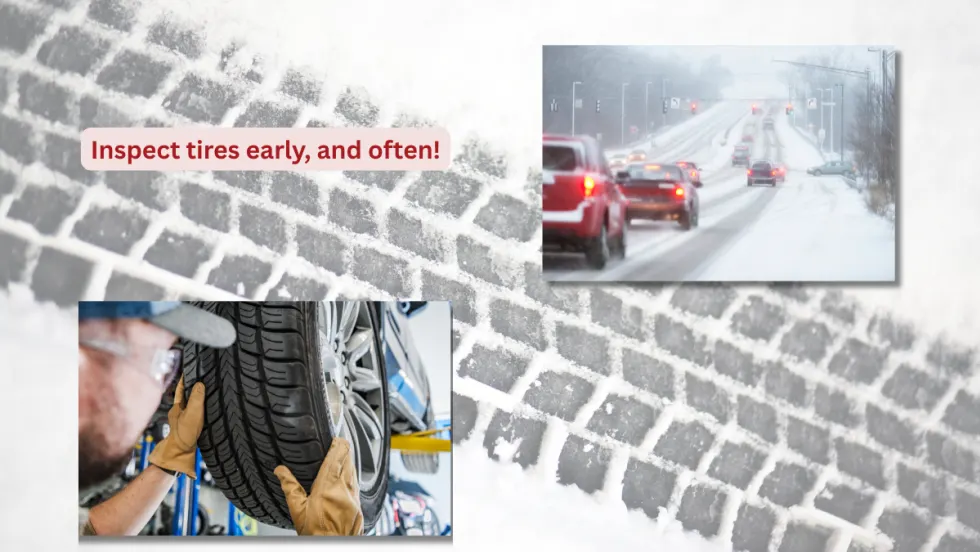
Fleet Managers Share Winter Prep Tips: It's Never Too Early!
Three fleets share best practices to prep vehicles for winter and prevent downtime when the cold sets in.
Read More →