




UK's Ginsters Streamlines Fuel Costs
Hitachi Capital Commercial Vehicle Solutions has teamed up with bodybuilder Solomons to develop a prototype refrigerated box van for Cornwall, UK-based bakery manufacturer Ginsters.
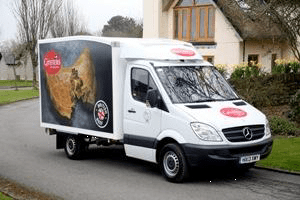
Ginsters worked with bodybuilder Solomons to develop a prototype refrigerated box van.
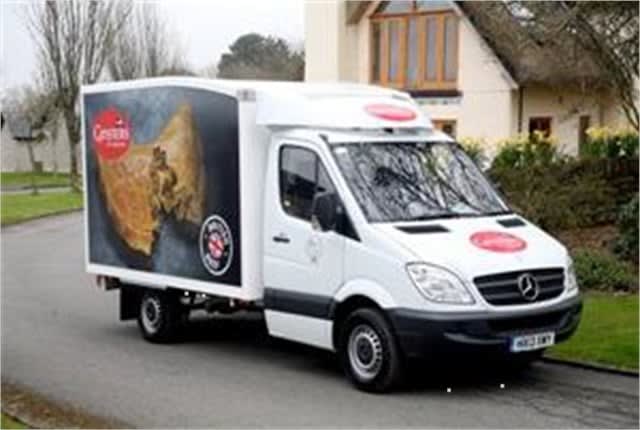
Ginsters worked with bodybuilder Solomons to develop a prototype refrigerated box van.
Hitachi Capital Commercial Vehicle Solutions has teamed up with bodybuilder Solomons to develop a prototype refrigerated box van for Cornwall-based bakery manufacturer Ginsters.
The vehicle’s sleek new aerodynamic box body design with a distinct wavy roofline and streamlined Thermo King cab-mounted fridge unit aims to reduce fuel consumption by up to 5 percent, according to Hitachi.
Based on a Mercedes Sprinter 3.5 ton GVW chassis, the vehicle will be run for six months alongside a regular box van on identical routes in the Midlands region where its fuel consumption will be closely monitored through its on board telematics system, according to Hitachi. The body is made of a standard three element insulated panel design with the fridge capable of transporting both chilled and frozen goods up to -20 centigrade. Another modification is the box body’s rear step and door configuration, designed to improve driver safety when unloading the van.
“Our fleet of box vans carry out the very high profile role of delivering our bakery products into thousands stores across the UK on a daily basis and we are looking forward to seeing the results of the trial. Once we have the results we will then decide on whether to extend the trial,” said Andrew Gibbons, Ginsters’ fleet continuous improvements manager.
Hitachi Capital will have supplied over 50 of Ginsters vans on a contract hire basis by the end of 2013 on four-year deal. Hitachi Capital also manages Ginsters’ fleet maintenance provision through the Mercedes network.
Originally posted on Automotive Fleet
More Small Fleet


Developing Budget-Friendly Driver Safety Programs
From driver training and safety meetings to one-on-one coaching and incentive programs, several small fleets share how they have developed a safety culture with their drivers using low- to no-cost resources.
Read More →
Boosting Last-Mile Fleet Uptime, Safety, and Value with AI Vehicle Inspections
AI-powered inspections are transforming last-mile fleets by replacing manual checks with highly accurate automated scans that detect defects in seconds. By giving fleet operations visibility into the daily condition of their vehicles, you can identify trends over the vehicle’s lifecycle that enable improved procurement decisions, route management, driver training and accountability.
Read More →
Five Ways Seat Belts Help Prevent Injuries
There are five ways seat belts protect occupants from injuries, according to the Tennessee Department of Safety and Homeland Security.
Read More →
It’s here: The 2026 Fleet Technology Trends Report
What does AI mean for fleets? Get the answer — and learn other top tech trends.
Read More →
Small Fleets, Big Impact: How Independent Drivers Power Wreaths Across America
Check out how small fleets and independent drivers power Wreaths Across America each December and why their impact matters more than ever.
Read More →
VMS Survey Finds 65% of Small Fleet Managers Run Operations Alone
A new VMS survey shows small fleet managers are stretched thin, with most handling operations solo and eager to adopt digital tools for relief.
Read More →
Tips for Driving Safely on Halloween Night
This video features a reminder from the Connecticut Department of Transportation (DOT) and the Connecticut Police Chiefs Association, urging drivers to prioritize safety this Halloween.
Read More →
AI, Access, and Uptime: VMS’s Next Chapter with David Prusinski
VMS’s new Co-CEO, David Prusinski, shares how an AI-first approach will give small fleets and repair shops the tools to compete like big players.
Read More →
Fleet Managers Share Winter Prep Tips: It's Never Too Early!
Three fleets share best practices to prep vehicles for winter and prevent downtime when the cold sets in.
Read More →