




Related: What Owner-Operators and Small Fleets Need to Know about ELDs
Truckers Take to the Streets to Protest ELD Rule
Truckers around the country -- including in the nation's capital -- gathered to protest the upcoming ELD mandate, which goes into effect Dec. 18.
by Steven Martinez and David Cullen
October 7, 2017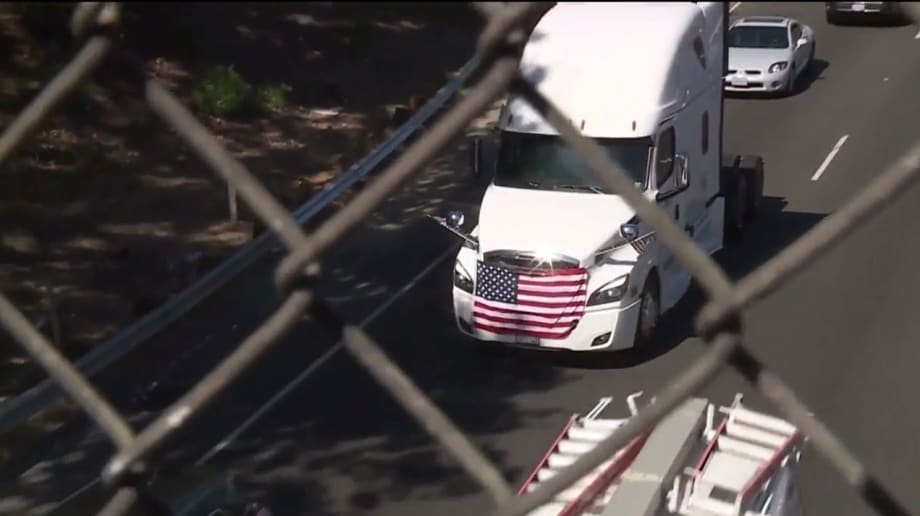
Screen shot, CBS Sacramento video
4 min to read
Screen shot, CBS Sacramento video
Truckers around the country – including in the nation's capital – gathered between Oct. 6-8 to protest the upcoming ELD mandate, which goes into effect Dec. 18.
Some were participating in the ELD or Me protest in Washington, DC, while others took to the streets in Fresno, California, as part of Operation Black and Blue, to protest the implementation of the electronic logging device rule, which has proved controversial among small trucking companies and owner-operators.
In California, a rolling convoy of trucks drove slowly and honked their horns between Yuba City and Fresno, slowing traffic on I-5 and Hwy 99, as part of the protest. The trucks bore signs declaring their opposition to the ELD mandate and other regulations. Some trucks were decorated with American flags.
The California Trucking Association issued a statement noting that it was not affiliated with the protests in the state. "We support truckers' rights to express their opinions on the upcoming implementation of the federal electronic logging device mandate, including their right to protest. We urge the participants to follow the rules of the road and show the motoring public we are an industry committed to safety. We do not condone creating dangerous driving conditions by impeding traffic on busy freeways."
In Washington State, a convoy of trucks took to I-5 in Pierce County, while others parked along the side of the road in Tacoma, and nearly 100 drivers gathered at a rally in Kent, KOMO News reported.
Some truck drivers protested in front of Fresno City Hall to voice concerns over the ELD mandate's effect on their daily work habits, telling local media that the "inflexible" devices would be forcing them to take breaks when they don’t need to, or worse, when they need more time. Independent drivers who need to be on the road as much as possible, and for whom quick turnarounds are key, say the issue comes down to maintaining their livelihood.
With paper logs, drivers were able to add in the extra time they needed to find a suitable parking spot or to account for unavoidable delays at loading docks. To many of the drivers who participated in the protest, ELDs with their cold precision and complete adherence to regulations down to the second can seem out of touch with the human realities on the road.
Operation Black and Blue states on the group’s Facebook page that, “Operation Black and Blue was created expressly for the support and coordination of efforts by truck drivers to help put a stop to the FMCSA, DOT, and ATA. We are against government overreach and over-regulation.” The group has more than 3,500 followers.
Protests or not, Congress will not be rescinding or delaying the ELD rule. Since July, a lone lawmaker, Rep. Brian Babin (R-TX), has twice introduced legislation aimed at either straight-up delaying implementation of the ELD rule or slowing its rollout by preventing funding of the mandate. One of these measures failed to pass and the other has so far not been acted on by a committee.
The H.R. 3282, the ELD Extension Act of 2017, which the congressman introduced in July, would have delayed making the rule effective for two years. So far, it has attracted 55 co-sponsors and has been referred to the House Transportation and Infrastructure Committee— which has yet to take it up.
In early September, Babin crafted an anti-ELD amendment that was offered up for attachment to some unrelated legislation (H.R. 3354, the Make America Secure and Prosperous Appropriations Act of 2018). It was intended to delay the mandate for almost a year by preventing funding of it. On Sept. 6, that rider was voted downon the House floor.
What marked both of these legislative work-arounds as little more than Hail Mary Passes is the reality that every notable trucking stakeholder group except the Owner Operator Independent Drivers Association remains solidly in favor of implementing the ELD rule with no further delay.
What’s more, no companion legislation to delay or defund the ELD mandate has yet to be introduced – nor is it at all likely to be introduced – in the Senate. Even if one is passed, an anti-ELD House bill alone is meaningless.
To be sure, a lot of lobbying firepower remains aimed at keeping the rule as it is. And at keeping its initial effective date what it is: Dec. 18— now just 10 weeks away
The last, best hope to stave off the mandate fizzled back on June 12 when the U.S. Supreme Court denied the Owner-Operator Independent Drivers Association’s petition that it rule on whether the regulation violates the Fourth Amendment right to privacy of truck drivers. So, the avenue for judicial relief has been closed off and Capitol Hill won’t act in time to halt or slow the rule this year, if not ever.
Updated 3 p.m. EDT 10/7 to add more details.
Originally posted on Automotive Fleet
More Technology & AI
Fleet Downtime, Truck Theft, and Electric Growth Lead This Month
Where is your fleet losing time? This Truck Chat recap connects repair delays, theft risks, storm planning, and lessons from scaling electric trucks.
Read More →
HCSS Partners with Verizon Connect to Deliver Fleet Intelligence for Construction Fleets
HCSS has integrated with Verizon Connect to provide near real-time fleet insights so contractors can spend less time tracking assets and more time keeping projects on schedule.
Read More →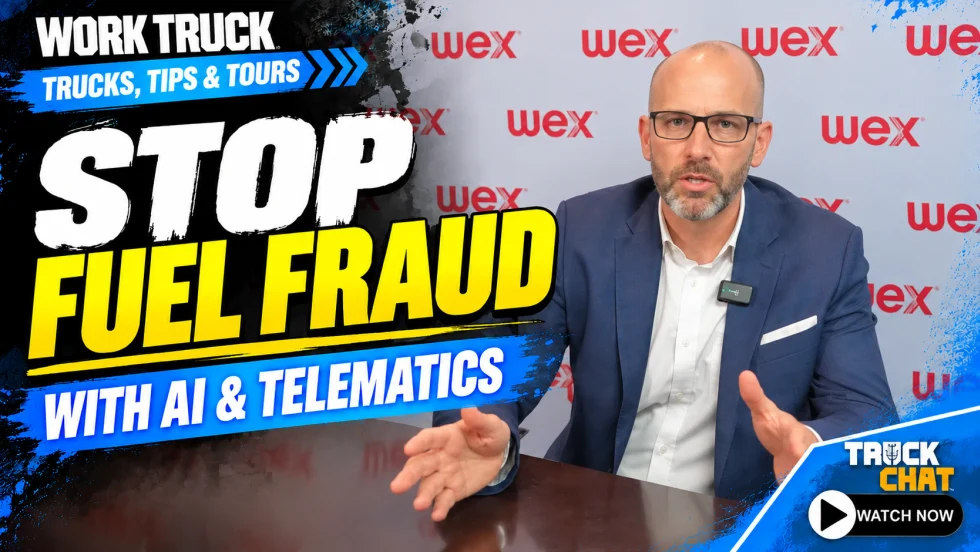
How Fleets Can Use Technology to Fight Fuel Fraud
Fuel fraud and theft remain significant challenges for commercial fleets, whether the problem involves third-party fraud or driver misuse. In this video, David Abraham of WEX explains how SecureFuel uses vehicle geolocation, telematics, transaction information, and AI to help fleet managers identify suspicious fuel purchases and make more informed decisions.
Read More →From Our Partners
Basic Tracking vs Next Generation Fleet Technology
Sponsored by AT&T Business

5 Facts Every Fleet Manager Should Know About Embedded Telematics
Sponsored by Stellantis/Mobilisights

How AI Video Telematics Boosts Driver Safety and Helps to Avoid Unnecessary Costs
Sponsored by Verizon Connect

Charting the 8 Bottom-Line Benefits of Workforce Optimization
Sponsored by Verizon Connect

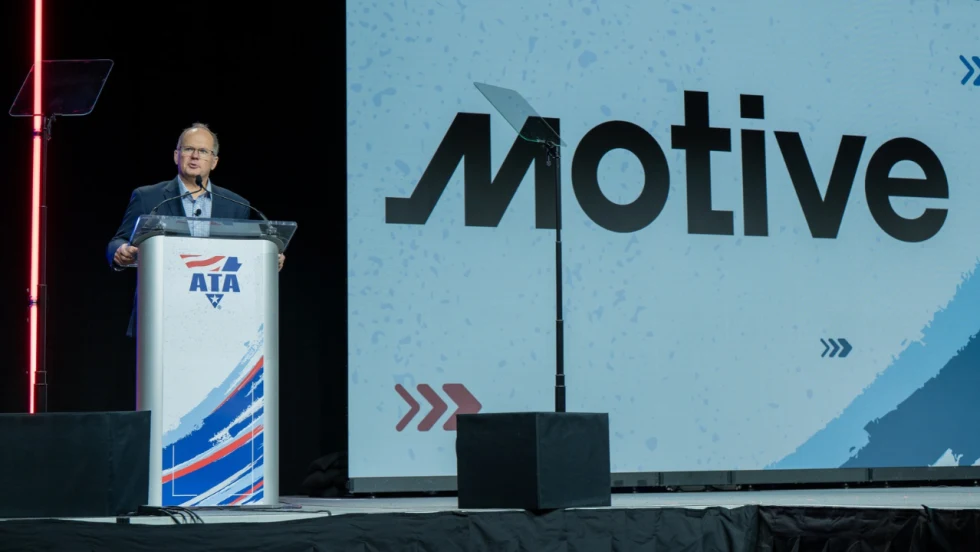
Can AI Agents Help Small Work Truck Fleets Do More With Less?
Motive's new AI Agents automate fleet safety, maintenance, compliance, and dispatch tasks. Here's how they work for smaller fleets, what managers control, and what early users are seeing.
Read More →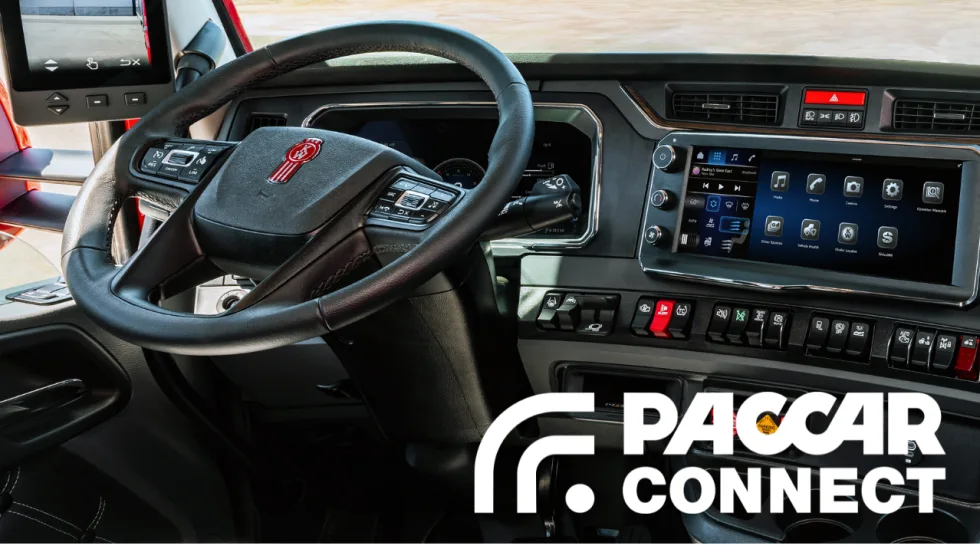
Paccar Launches Paccar Connect for Peterbilt and Kenworth Trucks
The new Paccar Connect offers touchscreen displays, telematics capabilities, and an expanding app ecosystem to boost productivity and streamline driver workflows.
Read More →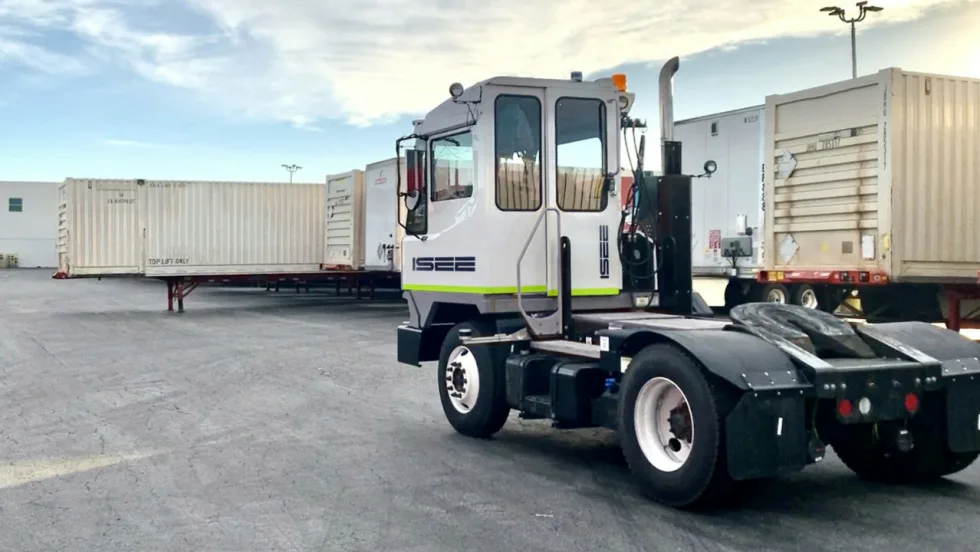
Holman and ISEE Partner to Expand Autonomous Yard Truck Operations
The partnership combines Holman's fleet management and upfitting capabilities with ISEE's autonomous driving technology to help businesses deploy and manage driverless yard trucks.
Read More →
Who You Gonna Call? Rivian Turns Electric Vehicles Into Ghostbusters Rides
Rivian teams up with Sony Pictures for a Ghostbusters-inspired Halloween software update, complete with custom sounds, lighting effects, and a special Ecto-R1.
Read More →
The Second Trip and What Missing Tools Really Cost a Service Business
For service fleets, missing tools and equipment can lead to second trips, lost technician time, higher operating costs, and delayed jobs. Equipment tracking can help HVAC, plumbing, electrical, landscaping, and other service businesses improve visibility and reduce downtime.
Read More →
GeoFencing Adds to Your Truck Security Arsenal
Geofencing is a familiar fleet tool today, but its early adoption marked a major shift in vehicle tracking, route monitoring, and the debate over employee privacy.
Read More →
Geotab Data Shows Regional Trucking Growing Faster as Last Mile Routes Get Denser
Geotab's first U.S. supply chain report finds stable long-haul activity, stronger regional freight movement, tighter hub-and-spoke utilization, and more last-mile trips on shorter routes.
Read More →