




Truck Driver in Fatal Crash Awake 34 Hours
The accident killed seven children in Florida. More than 750 people die and 20,000 more are injured each year due directly to fatigued commercial vehicle drivers, according to the Federal Motor Carrier Safety Administration.
A truck driver involved in an accident last week that killed seven children had been awake for 34 hours, the Associated Press reports. Alvin Wilkerson, 31, was driving a load of bottled water to Jacksonville, Fla., when he plowed into a car at a school bus stop. David Rayburn, a National Transportation Safety Board investigator, said fatigue was one of many factors being reviewed. Wilkerson, who has not been charged with any wrongdoing, has refused to speak with investigators. Blood test showed he had not been using alcohol or drugs and was not using his cell phone at the time of the accident. The truck did not experience mechanical failure. The NTSB, using an identical school bus and truck, determined the school bus should have been visible for more than half a mile. The truck left some light skid marks before hitting the car and pushing it into the school bus. According to the Federal Motor Carrier Safety Administration (FMCSA), more than 750 people die and 20,000 more are injured each year due directly to fatigued commercial vehicle drivers. Large trucks are involved in multiple-vehicle fatal crashes at twice the rate of passenger vehicles, according to government statistics. Almost 800 large truck occupants, almost all of them drivers, die each year in these crashes, the Advocates for Highway and Auto Safety says. In recent years, almost one of every four fatalities among passenger vehicle occupants have been the result of multi-vehicle collisions involving a large truck.
More Small Fleet


Developing Budget-Friendly Driver Safety Programs
From driver training and safety meetings to one-on-one coaching and incentive programs, several small fleets share how they have developed a safety culture with their drivers using low- to no-cost resources.
Read More →
Boosting Last-Mile Fleet Uptime, Safety, and Value with AI Vehicle Inspections
AI-powered inspections are transforming last-mile fleets by replacing manual checks with highly accurate automated scans that detect defects in seconds. By giving fleet operations visibility into the daily condition of their vehicles, you can identify trends over the vehicle’s lifecycle that enable improved procurement decisions, route management, driver training and accountability.
Read More →
Five Ways Seat Belts Help Prevent Injuries
There are five ways seat belts protect occupants from injuries, according to the Tennessee Department of Safety and Homeland Security.
Read More →
It’s here: The 2026 Fleet Technology Trends Report
What does AI mean for fleets? Get the answer — and learn other top tech trends.
Read More →
Small Fleets, Big Impact: How Independent Drivers Power Wreaths Across America
Check out how small fleets and independent drivers power Wreaths Across America each December and why their impact matters more than ever.
Read More →
VMS Survey Finds 65% of Small Fleet Managers Run Operations Alone
A new VMS survey shows small fleet managers are stretched thin, with most handling operations solo and eager to adopt digital tools for relief.
Read More →
Tips for Driving Safely on Halloween Night
This video features a reminder from the Connecticut Department of Transportation (DOT) and the Connecticut Police Chiefs Association, urging drivers to prioritize safety this Halloween.
Read More →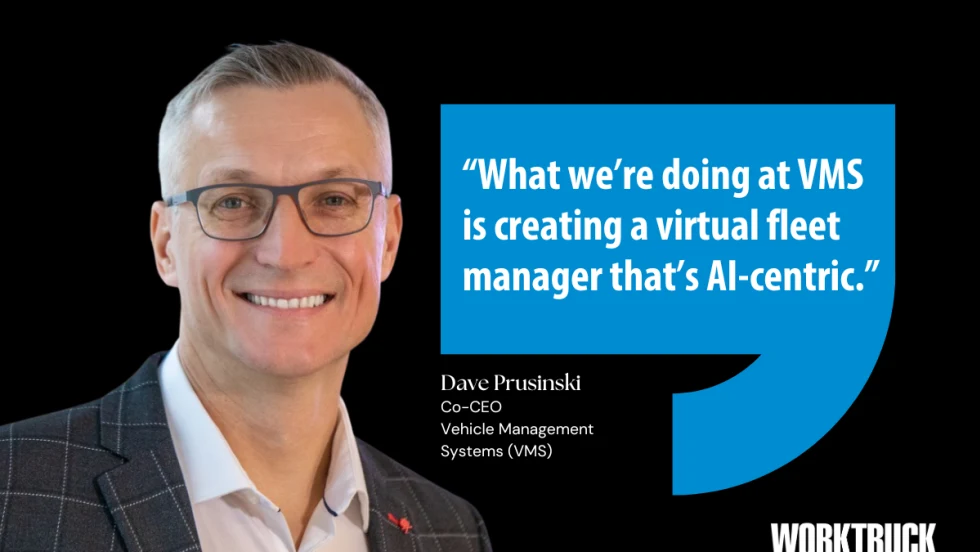
AI, Access, and Uptime: VMS’s Next Chapter with David Prusinski
VMS’s new Co-CEO, David Prusinski, shares how an AI-first approach will give small fleets and repair shops the tools to compete like big players.
Read More →
Fleet Managers Share Winter Prep Tips: It's Never Too Early!
Three fleets share best practices to prep vehicles for winter and prevent downtime when the cold sets in.
Read More →