




Trend: Track Your Teen with Bumper Stickers, GPS
Programs are a teen version of the “How's My Driving?” bumper stickers on commercial vehicles.
While parents can't keep a constant eye on their children's driving, the public can. Through a nationwide program called Teen Arrive Alive and other local programs, parents can put a bumper sticker on their vehicle akin to the “How's my driving?” sticker on commercial vehicles. Motorists can call a toll-free number and leave a message relaying any erratic driving behavior. The message is immediately routed to the parents via a phone call or email. Parents can also access a report through the organization's Web site, http://www.TeenArriveAlive.com , according to a statement from the organization. A similar program is in effect in northeast Texas. Shawn Graham, president of Your Message Center, started the service after her daughter became legal to drive, according to a story in the Texarkana Gazette. Graham charges $5.00 a month flat fee for the service, called Your Driver Report. The Teen Arrive Alive program also uses technology to track teens. Using a cell phone enabled with Global Positioning Satellite capabilities, parents can go online and see a map of where their teen is, what direction they are traveling, and how fast they are driving. They can also retrieve location and speed information from any telephone, according to the organization. Parents have the option of allowing their teen to also receive immediate notification that a report was received on the teen's decal. If teens are equipped with a cell phone that accepts MP3 ring-tone downloads they need not answer their cell phone while driving -- the ring-tone notifies them of a report on their decal (or a voice message is broadcast from the speaker function on certain phones) in an effort to immediately modify the driver's behavior before an accident occurs. One enterprising parent joked on the Internet about taking advantage of his son's erratic driving. He'd get a "How's my driving?" bumper sticker and put a 900 number on it. At 50 cents a call, he figures to make $38 a week.
More Small Fleet


Developing Budget-Friendly Driver Safety Programs
From driver training and safety meetings to one-on-one coaching and incentive programs, several small fleets share how they have developed a safety culture with their drivers using low- to no-cost resources.
Read More →
Boosting Last-Mile Fleet Uptime, Safety, and Value with AI Vehicle Inspections
AI-powered inspections are transforming last-mile fleets by replacing manual checks with highly accurate automated scans that detect defects in seconds. By giving fleet operations visibility into the daily condition of their vehicles, you can identify trends over the vehicle’s lifecycle that enable improved procurement decisions, route management, driver training and accountability.
Read More →
Five Ways Seat Belts Help Prevent Injuries
There are five ways seat belts protect occupants from injuries, according to the Tennessee Department of Safety and Homeland Security.
Read More →
It’s here: The 2026 Fleet Technology Trends Report
What does AI mean for fleets? Get the answer — and learn other top tech trends.
Read More →
Small Fleets, Big Impact: How Independent Drivers Power Wreaths Across America
Check out how small fleets and independent drivers power Wreaths Across America each December and why their impact matters more than ever.
Read More →
VMS Survey Finds 65% of Small Fleet Managers Run Operations Alone
A new VMS survey shows small fleet managers are stretched thin, with most handling operations solo and eager to adopt digital tools for relief.
Read More →
Tips for Driving Safely on Halloween Night
This video features a reminder from the Connecticut Department of Transportation (DOT) and the Connecticut Police Chiefs Association, urging drivers to prioritize safety this Halloween.
Read More →
AI, Access, and Uptime: VMS’s Next Chapter with David Prusinski
VMS’s new Co-CEO, David Prusinski, shares how an AI-first approach will give small fleets and repair shops the tools to compete like big players.
Read More →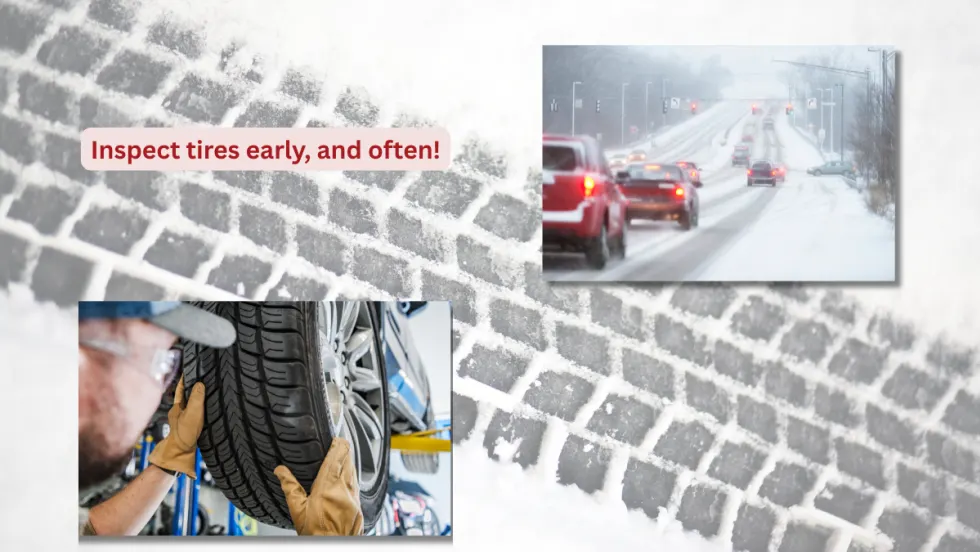
Fleet Managers Share Winter Prep Tips: It's Never Too Early!
Three fleets share best practices to prep vehicles for winter and prevent downtime when the cold sets in.
Read More →