




Trend: New Toll Systems on American Highways
The new systems, known variously as value pricing, managed lanes or HOT lanes, short for High Occupancy Tolls, are finished or close to completion in Southern California, Minneapolis, Washington, D.C., Seattle and Denver.
New, sophisticated toll systems are being implemented in metropolitan areas across the country, according to a June 15 Associated Press story. The new systems, known variously as value pricing, managed lanes or HOT lanes, short for High Occupancy Tolls, are finished or close to completion in Southern California, Minneapolis, Washington, D.C., Seattle and Denver. The concept uses free-market style tolls to make motorists see the cost of their driving decisions has long been viewed as a powerful tool in easing traffic jams. The latest national reports show congestion worsening on every front. The AP report says that back in 1982, when traffic jams already were seen as a widespread problem, the morning and evening commutes in American cities were severely congested 12 percent of the time, on average. That's more than tripled, with 40 percent of so-called "peak-period travel" severely or extremely jammed. The system on the 15 Freeway in Southern California works like this: In light traffic, the price on the express lanes is only 50 cents, the starting rate for solo drivers. The toll rises with the traffic and can be anywhere between $4 and $8. Traffic managers, relying on a network of cameras and sensors, monitor conditions and can change the toll as quickly as every six minutes. Electronic billboards flash the latest price before the entryway. Credit-card sized radio transponders on the windshield automatically bills drivers' credit cards. To push car pools, vehicles with at least one passenger ride free all the time. To support mass transit, commuter buses are guaranteed access to the lanes, and toll revenue helps support operations on the local bus rapid transit system. In the morning, the reversible express lanes only run south, toward San Diego; in the afternoons, they run north. Considered a success since the current version began operating in 1998, the eight-mile, two-lane project is being expanded to 20 miles and more lanes, with new, high-speed bus stations and access ramps so drivers can zoom straight onto express lanes without having to merge and cross the slower, free lanes. Opponents say these toll lanes favor the wealthy. San Diego's experience, however, has surprised some critics. Surveys show that users of the express lanes cross economic boundaries. Low-income people use it when they need to, as do middle-income and the wealthy. And most of San Diegans like them, according to the AP report. That evidence of acceptance, and the mass transit and carpooling incentives built into many of the programs across the country, has helped pull together a surprisingly diverse group of motorist groups, traffic designers, environmental organizations and politicians.
More Small Fleet


Developing Budget-Friendly Driver Safety Programs
From driver training and safety meetings to one-on-one coaching and incentive programs, several small fleets share how they have developed a safety culture with their drivers using low- to no-cost resources.
Read More →
Boosting Last-Mile Fleet Uptime, Safety, and Value with AI Vehicle Inspections
AI-powered inspections are transforming last-mile fleets by replacing manual checks with highly accurate automated scans that detect defects in seconds. By giving fleet operations visibility into the daily condition of their vehicles, you can identify trends over the vehicle’s lifecycle that enable improved procurement decisions, route management, driver training and accountability.
Read More →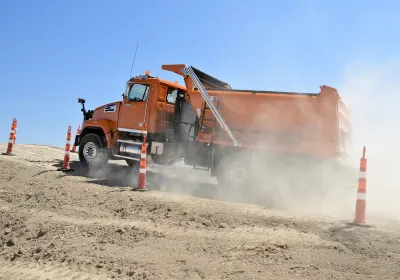

Five Ways Seat Belts Help Prevent Injuries
There are five ways seat belts protect occupants from injuries, according to the Tennessee Department of Safety and Homeland Security.
Read More →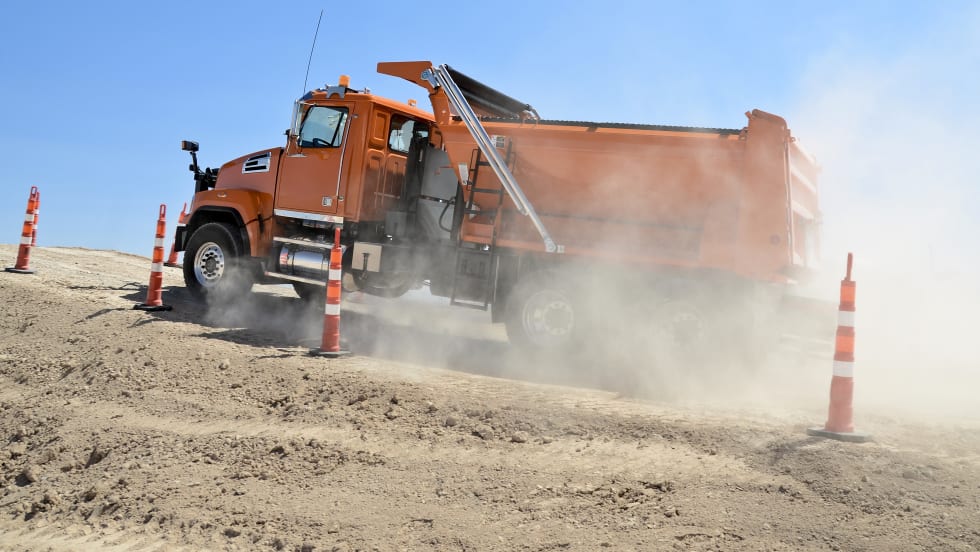
Basic Tracking vs Next Generation Fleet Technology
Fleet software is getting more sophisticated and effective than ever, tying big data models together to transform maintenance, safety, and the value of your existing tech stack. Fleet technology upgrades are undoubtedly an investment, but updated technology can offer a much higher return. Read how upgrading your fleet technology can increase the return on your investment.
Read More →
It’s here: The 2026 Fleet Technology Trends Report
What does AI mean for fleets? Get the answer — and learn other top tech trends.
Read More →
Small Fleets, Big Impact: How Independent Drivers Power Wreaths Across America
Check out how small fleets and independent drivers power Wreaths Across America each December and why their impact matters more than ever.
Read More →
VMS Survey Finds 65% of Small Fleet Managers Run Operations Alone
A new VMS survey shows small fleet managers are stretched thin, with most handling operations solo and eager to adopt digital tools for relief.
Read More →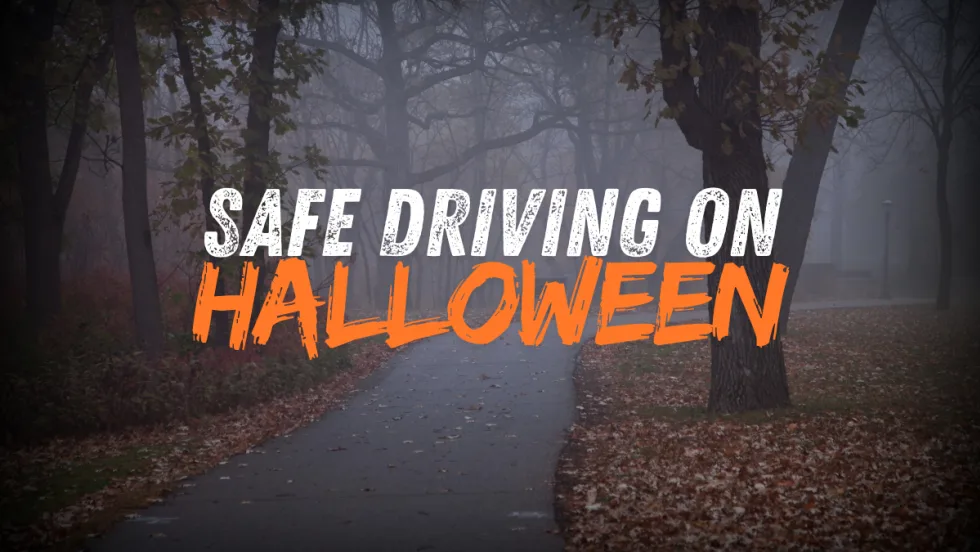
Tips for Driving Safely on Halloween Night
This video features a reminder from the Connecticut Department of Transportation (DOT) and the Connecticut Police Chiefs Association, urging drivers to prioritize safety this Halloween.
Read More →
AI, Access, and Uptime: VMS’s Next Chapter with David Prusinski
VMS’s new Co-CEO, David Prusinski, shares how an AI-first approach will give small fleets and repair shops the tools to compete like big players.
Read More →