




Toyota to End Australian Production in 2017
Toyota Motor Corporation will end Australian vehicle and engine production by the end of 2017 due to an "extremely competitive market" and strong Australian dollar, following recent exits by General Motors and Ford.
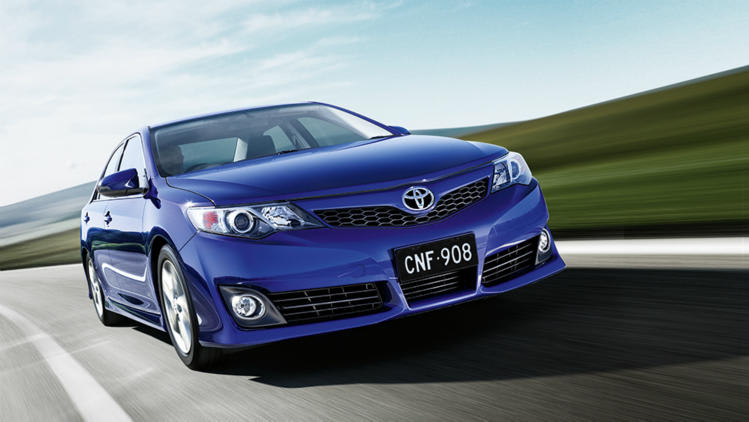
Australian Camry Atara

Australian Camry Atara
Toyota Motor Corporation will end vehicle and engine production in Australia by the end of 2017 due to an "extremely competitive market" and strong Australian dollar, following recent exits by General Motors and Ford, according to the company.
Toyota Motor Corporation Australia Ltd. (TMCA), a production and sales subsidiary, will cease operation, the automaker has announced.
"We believed that we should continue producing vehicles in Australia, and Toyota and its workforce here made every effort," said Toyota President Akio Toyoda in a statement announcing the decision. "However, various negative factors such as an extremely competitive market and a strong Australian dollar, together with forecasts of a reduction in the total scale of vehicle production in Australia, have forced us to make this painful decision."
Going forward, Toyota will work together with employees, business partners, government, local communities, and others regarding specific measures.
Furthermore, Toyota is considering reducing the scale of the operations of Toyota Technical Center Asia Pacific Australia Pty. Ltd., Toyota's development base in Australia with operations related to Toyota production in Australia.
"TMCA will change into a sales and distribution company, but Toyota's commitment to continue to provide great cars and services to the Australian people — something we have done for 50 years and will do for the next 50 years — will not change," Toyoda said. "Toyota will work hard to continue its contribution to Australia."
Originally posted on Automotive Fleet
More Small Fleet


Developing Budget-Friendly Driver Safety Programs
From driver training and safety meetings to one-on-one coaching and incentive programs, several small fleets share how they have developed a safety culture with their drivers using low- to no-cost resources.
Read More →
Boosting Last-Mile Fleet Uptime, Safety, and Value with AI Vehicle Inspections
AI-powered inspections are transforming last-mile fleets by replacing manual checks with highly accurate automated scans that detect defects in seconds. By giving fleet operations visibility into the daily condition of their vehicles, you can identify trends over the vehicle’s lifecycle that enable improved procurement decisions, route management, driver training and accountability.
Read More →
Five Ways Seat Belts Help Prevent Injuries
There are five ways seat belts protect occupants from injuries, according to the Tennessee Department of Safety and Homeland Security.
Read More →
It’s here: The 2026 Fleet Technology Trends Report
What does AI mean for fleets? Get the answer — and learn other top tech trends.
Read More →
Small Fleets, Big Impact: How Independent Drivers Power Wreaths Across America
Check out how small fleets and independent drivers power Wreaths Across America each December and why their impact matters more than ever.
Read More →
VMS Survey Finds 65% of Small Fleet Managers Run Operations Alone
A new VMS survey shows small fleet managers are stretched thin, with most handling operations solo and eager to adopt digital tools for relief.
Read More →
Tips for Driving Safely on Halloween Night
This video features a reminder from the Connecticut Department of Transportation (DOT) and the Connecticut Police Chiefs Association, urging drivers to prioritize safety this Halloween.
Read More →
AI, Access, and Uptime: VMS’s Next Chapter with David Prusinski
VMS’s new Co-CEO, David Prusinski, shares how an AI-first approach will give small fleets and repair shops the tools to compete like big players.
Read More →
Fleet Managers Share Winter Prep Tips: It's Never Too Early!
Three fleets share best practices to prep vehicles for winter and prevent downtime when the cold sets in.
Read More →