




Toyota Matrix Premieres at North American International Auto Show
The Toyota "Matrix" was unveiled Jan. 8 at a world premiere press conference at the 2001 North American International Auto Show.

The Toyota "Matrix" was unveiled Jan. 8 at a world premiere press conference at the 2001 North American International Auto Show. Matrix combines the functionality of an SUV, the style, image and performance of a sports car and the affordability of a subcompact sedan, according to Don Esmond, Toyota Division senior vice president and general manager, who said Matrix is the result of listening carefully to what is most important to young new-car buyers. "Young buyers want vehicles that are high in image, and high in functional utility," Esmond said. "The problem is that utility and image have always come at a price out-of-range for most young buyers. Matrix will be active, accommodating, adaptable and most important, affordable." Matrix will ride on a new platform that is similar to that of Corolla, a logical decision designed to ensure the affordability that is key to the Matrix formula. Matrix will be offered in three trim levels, each with a distinctive level of utility and performance. Buyers will be offered a choice of either front- or four-wheel drive systems, with either manual or automatic transmissions. The standard four-cylinder engine for Matrix will be ULEV-rated. It will feature Toyota's variable-valve technology and deliver 130 horsepower. The Matrix sport model, unveiled at the press conference, will push that performance envelope considerably. The sport model will feature the same 180-horsepower engine and six-speed manual transmission found in the Celica GT-S. Power will be complemented by a sport-tuned suspension and standard 17-inch wheels and tires. Toyota's CALTY Design Studio, in Newport Beach, Calif., was responsible for the initial styling concept for Matrix. CALTY's assignment was to render a fresh new take on the basic SUV configuration of four-doors-and-a-hatch. CALTY's styling theme for Matrix was "Street-Performance Utility". The design would be biased toward sport, while maintaining the image and reality of true utility. Designers capitalized on recent advances in metal stamping techniques, to create "edge-web" body panels. The edge-web detailing integrates sharp surface edges with rounded web-like contours to create strong, flowing character lines. Not only is Matrix configured like an SUV, it was designed to offer the kind of interior function and flexibility consumers have come to expect in a sport utility vehicle, according to Esmond. It will feature: - ample room for five passengers, - a wealth of storage space, - rear seats that fold into a flat floor - and surprising convertibility. A new cargo-floor sliding track system was developed especially for Matrix. The system will be the basis for a wide variety of accessory possibilities, designed to adapt to, and accommodate, specific active lifestyles. Matrix will be built exclusively at Toyota Motor Manufacturing, Canada, in Cambridge, Ontario.
More Vehicle Insights
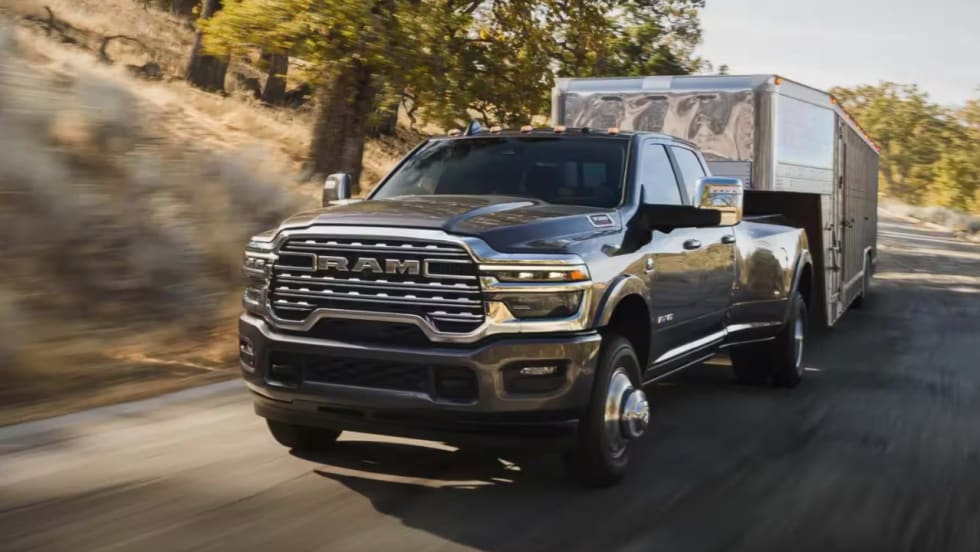
Which Pickup Trucks Last 250,000 Miles? 2026 Rankings Revealed
Which pickup trucks are most likely to reach 250,000 miles? The 2026 iSeeCars study ranks 12 long-lasting models, with Ram, Toyota, GMC, and Ford among the leaders.
Read More →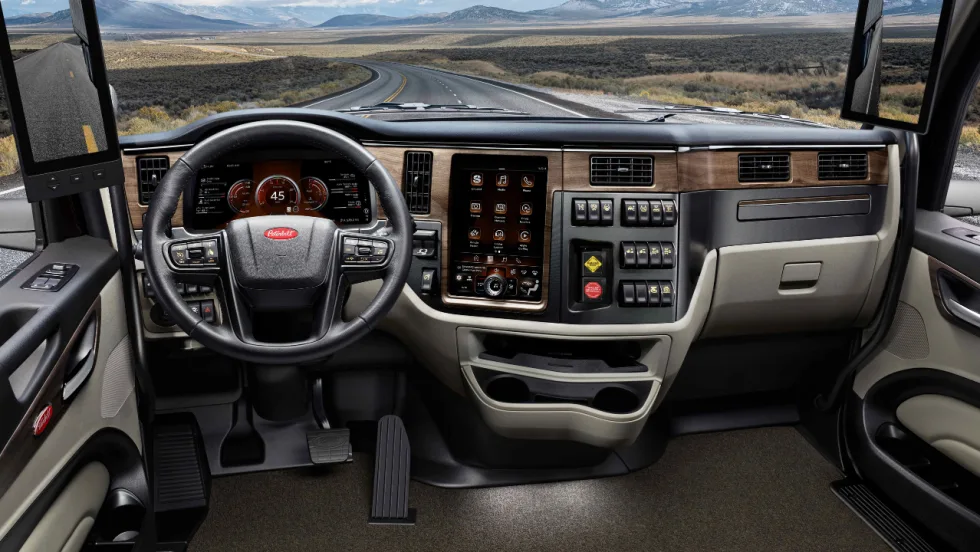
Peterbilt Showcasing Transportation Innovations at ATA MCE
Peterbilt showcased Paccar Connect and exhibited several trucks during the American Trucking Associations (ATA) Management Conference & Exhibition (MCE).
Read More →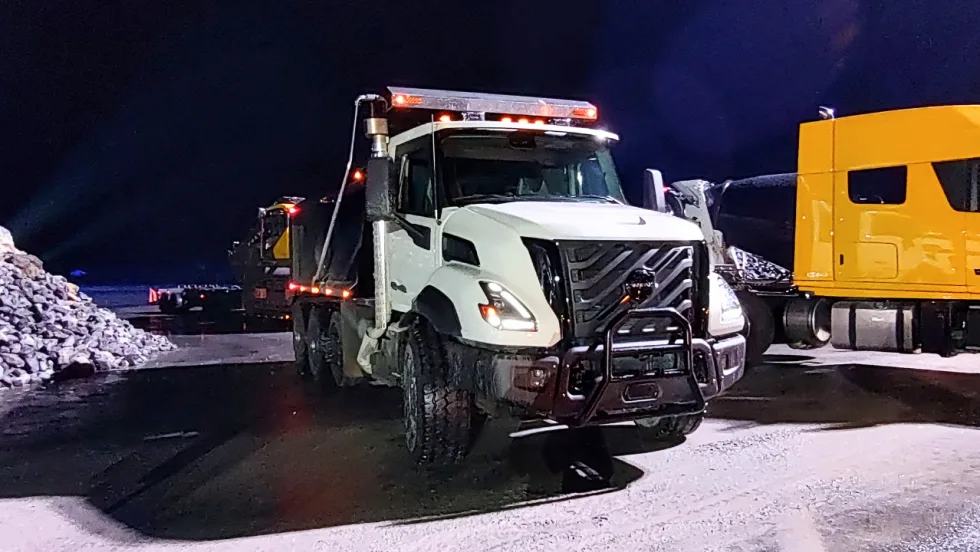
Volvo Unveils New VNX Vocational Truck & Off-Road Capable Tractor
Volvo Trucks has launched the VNX, a new vocational truck designed for on- and off-road use, and available in three variants. It is powered by the D13 platform, which delivers up to 540 horsepower and 1,950 pound-feet of torque and is EPA 2027 compliant.
Read More →

Truckers’ Strike Rumors, Electric Fleet Lessons, and GM’s New Duramax Lead This Week’s News
Truckers’ strike rumors, Republic Services’ electric fleet lessons, GM’s new 8.3L Duramax, van upfitting, Ford Pro used trucks, and more headline this week’s Truck Chat Cheat Sheet.
Read More →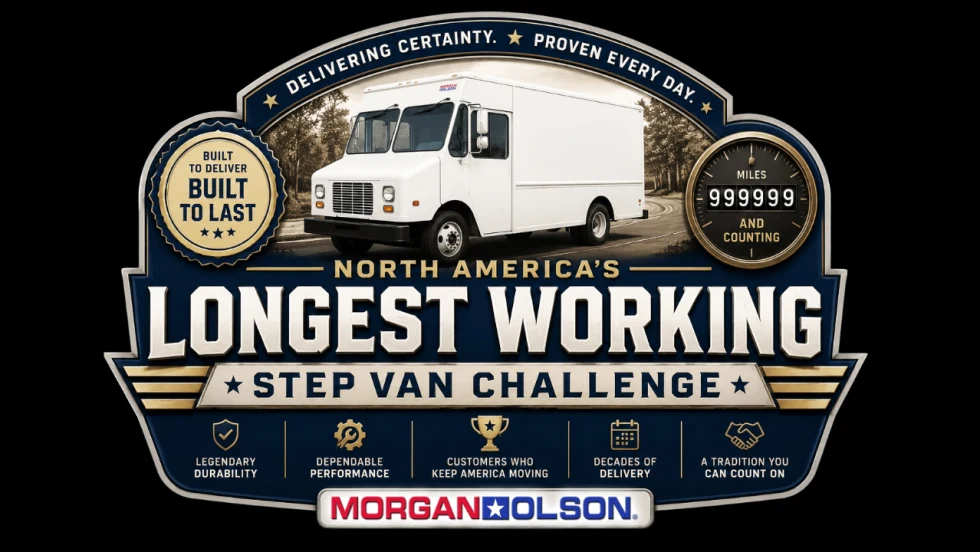
Morgan Olson Launches North America’s Longest Working Step Van Challenge
Morgan Olson has launched North America’s Longest Working Step Van Challenge, a new customer campaign to find the longest-working qualifying Morgan Olson or Grumman step van actively delivering packages for an independent service provider contracted by FedEx.
Read More →
Ford Transit Fleet Guide Specs Capability and 2027 Model-Year Updates
Explore 2027 Ford Transit fleet specs, engines, payload and towing capability, cargo configurations, work features, technology, and model-year updates.
Read More →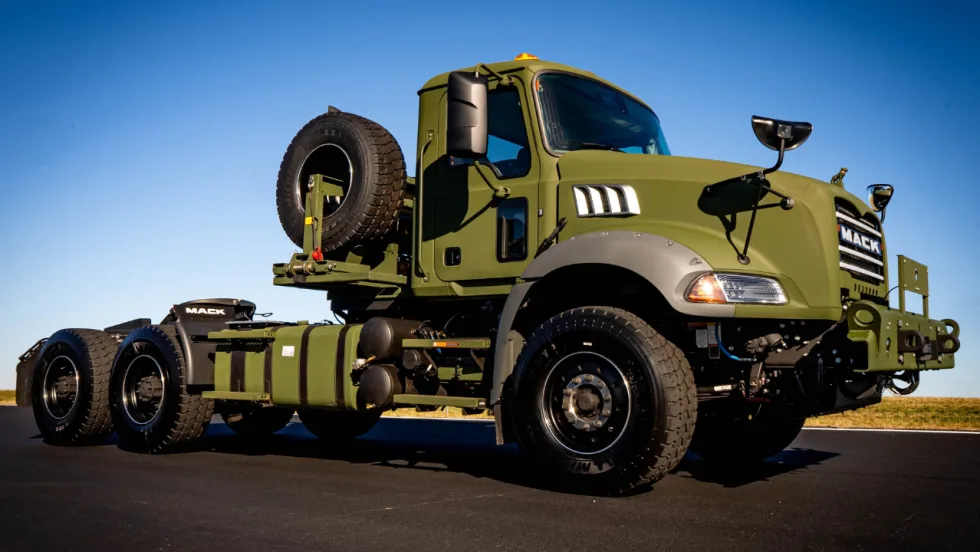
Mack Defense to Spotlight Common Tactical Truck Line Haul Hybrid Tractor During AUSA 2026
Mack Defense was awarded a contract to design, build, and deliver prototype vehicles for the U.S. Army’s Common Tactical Truck (CTT) program. It will show off its line-haul hybrid tractor prototype, based on the Mack Granite, at the 2026 United States Army (AUSA) Annual Meeting and Exposition.
Read More →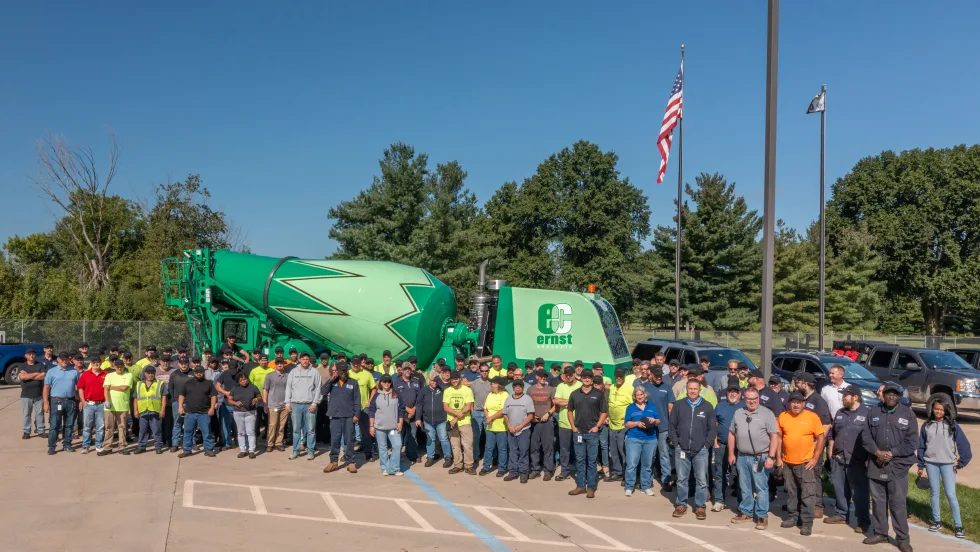
Advance Produces 20,000th Front-Discharge Mixer
Advance celebrated the production of its 20,000th front-discharge mixer, a Commander Series FD4000 mixer. Jack Willard first developed the original Rite-Way Truck in 1964, and then Advance was established in 1972.
Read More →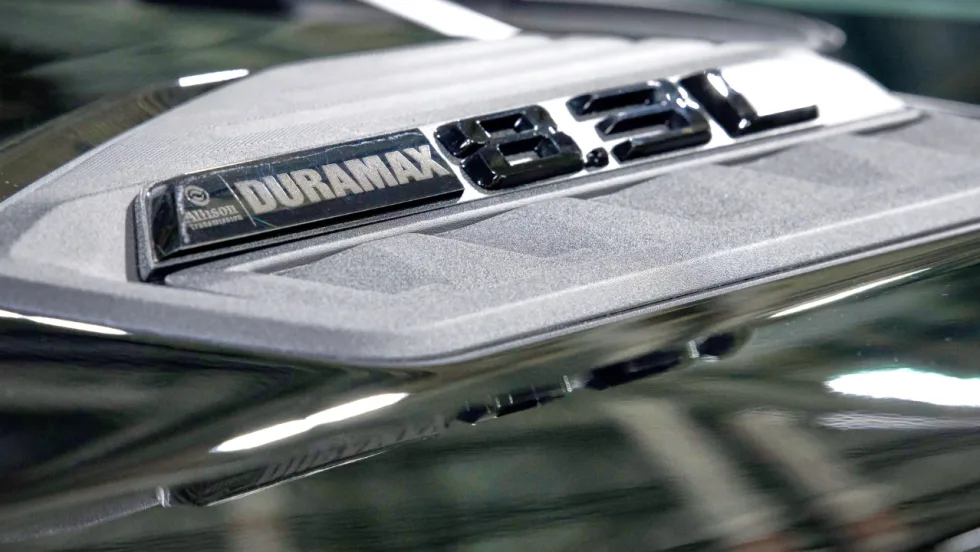
GM Launches Clean Sheet Duramax 8.3L Turbo-Diesel V8 for 2027 HD Pickups
General Motors previewed key updates for its 2027 HD pickup lineup, which will now include a new Duramax 8.3L Turbo-Diesel, electric power steering, and electronic brake boost.
Read More →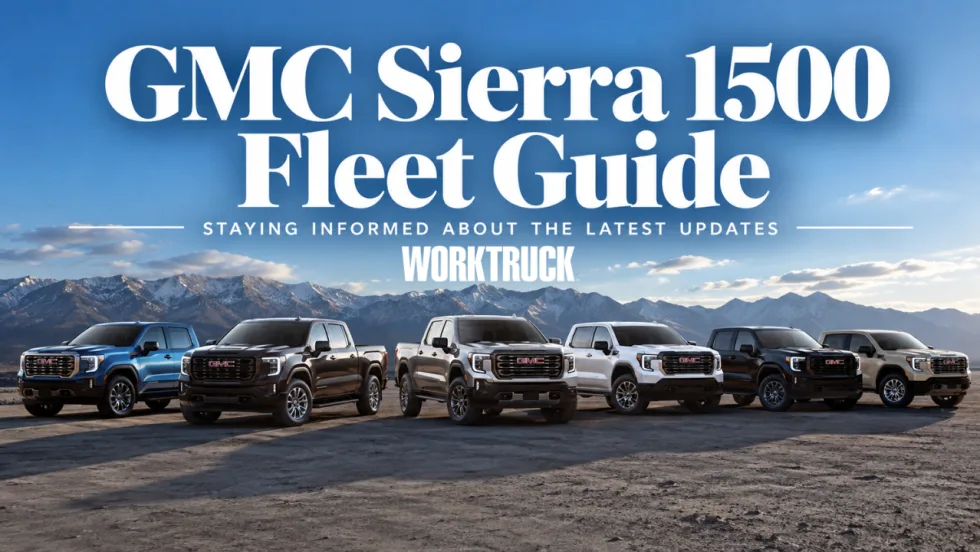
GMC Sierra 1500 Fleet Guide Specs Capability and 2027 Model-Year Updates
The next-generation 2027 GMC Sierra 1500 brings new V-8 engines, more standard safety technology, updated trailering tools, and a work-focused Pro trim. Here’s what fleets need to know.
Read More →