




Toyota Launches Redesigned Hybrid Drivetrain In New 2004 Prius Hybrid Hatchback
Toyota’s all-new second-generation Prius gasoline-electric hybrid vehicle made its world debut at the 2003 New York Auto Show and is of particular interest because it is the first Toyota equipped with the firm’s new high-voltage/high-power Hybrid Synergy Drive powertrain, writes just-auto.com deputy editor Graeme Roberts. It’s also considerably larger and is now a mid-sized hatchback. According to just-auto.com, like the original Toyota Hybrid System (THS) on the current Prius, Hybrid Synergy Drive is defined as a "full hybrid system" and, Toyota claims that, unlike some competitive systems currently on the market, the full hybrid system is capable of operating in either gasoline or electric modes, as well as a mode in which both the gasoline engine and electric motor operate. The current Prius went on sale in Japan in 1997 and was launched in the US in July 2000. The new Prius has increased interior space, moving it from the compact to the midsize class which will likely further boost its sales prospects, especially in the US. Toyota says the new hybrid system will deliver significantly more power and performance, best-in-class fuel economy, and best-in-market emissions performance. A major difference between the new Hybrid Synergy Drive concept, and how it is improved over the current Prius’ THS system, centers on the duration of electric-mode driving and the peak power delivered electrically. Toyota says the new Hybrid Synergy Drive has a 50 percent more powerful 50kW drive-motor operating at up to 500 volts. This increased voltage and power is controlled by a newly adopted high-voltage power converter. Hybrid Synergy Drive is expected to increase fuel efficiency in the new Prius by 15 percent with [EPA] combined mpg rising from the high 40s to the mid-50s. Toyota claims the 2004 Prius will have the best fuel efficiency rating of any midsize vehicle sold in America, delivering twice the combined mileage rating of its closest competitor and will also boast a higher combined mileage rating than any compact sedan sold in the country. According to Toyota, the new hybrid drivetrain is nearly 30 percent lower in emissions than the current Prius’ system, producing nearly 90 percent fewer tailpipe pollutants than a conventional gasoline engine. When it reaches the US this autumn, the Prius will be certified as a SULEV, or "Super-Ultra-Low-Emission-Vehicle" for tailpipe emissions in California and the [mainly north-east] states adopting California standards. In the rest of the country, Prius will be certified as Tier 2, Bin 3. In addition, in California and states adopting California rules, the Prius will be certified as a PZEV "Partial Zero Emissions Vehicle". In addition to the SULEV exhaust standard, PZEV also requires meeting a zero fuel evaporative standard, a 150,000-mile durability demonstration and offering an extended emissions system warranty. Another Toyota claim for its new Prius is that it is one of the most aerodynamic production vehicles available, with a drag co-efficient of just 0.26. This is said to be a major factor in the vehicle's interior noise isolation and to contribute to its significantly increased fuel efficiency. The 2004 Prius is built on an entirely new platform with a wheelbase nearly six inches longer than the current Prius though it is only slightly longer. Less obvious from outside is the significantly larger midsize interior. While the first generation car was a small sedan, Toyota has designed 'Prius Mark Two' as a four-door lift-back. This helps the aerodynamics and the rear lift-back and fold-down rear seat combine to offer a new level of cargo hauling flexibility. "When the 2004 Prius arrives in dealerships this fall it will exceed all expectations, marking the arrival of hybrid technology into the mainstream consumer mindset," said Toyota America’s Toyota division senior vice-president Don Esmond. "The debut of the Toyota Hybrid Synergy Drive system will represent a major breakthrough in global-friendly powertrain technology. We've learned a lot about the Prius since its launch in America two-and-a-half years ago," added Esmond. "With increased interior space, increased power and performance, best-in-class fuel economy, and best-in-market performance, we are more convinced than ever that the new Prius will continue to lead electric-gas hybrid technology into the mainstream market."
More Small Fleet


Developing Budget-Friendly Driver Safety Programs
From driver training and safety meetings to one-on-one coaching and incentive programs, several small fleets share how they have developed a safety culture with their drivers using low- to no-cost resources.
Read More →
Boosting Last-Mile Fleet Uptime, Safety, and Value with AI Vehicle Inspections
AI-powered inspections are transforming last-mile fleets by replacing manual checks with highly accurate automated scans that detect defects in seconds. By giving fleet operations visibility into the daily condition of their vehicles, you can identify trends over the vehicle’s lifecycle that enable improved procurement decisions, route management, driver training and accountability.
Read More →
Five Ways Seat Belts Help Prevent Injuries
There are five ways seat belts protect occupants from injuries, according to the Tennessee Department of Safety and Homeland Security.
Read More →
It’s here: The 2026 Fleet Technology Trends Report
What does AI mean for fleets? Get the answer — and learn other top tech trends.
Read More →
Small Fleets, Big Impact: How Independent Drivers Power Wreaths Across America
Check out how small fleets and independent drivers power Wreaths Across America each December and why their impact matters more than ever.
Read More →
VMS Survey Finds 65% of Small Fleet Managers Run Operations Alone
A new VMS survey shows small fleet managers are stretched thin, with most handling operations solo and eager to adopt digital tools for relief.
Read More →
Tips for Driving Safely on Halloween Night
This video features a reminder from the Connecticut Department of Transportation (DOT) and the Connecticut Police Chiefs Association, urging drivers to prioritize safety this Halloween.
Read More →
AI, Access, and Uptime: VMS’s Next Chapter with David Prusinski
VMS’s new Co-CEO, David Prusinski, shares how an AI-first approach will give small fleets and repair shops the tools to compete like big players.
Read More →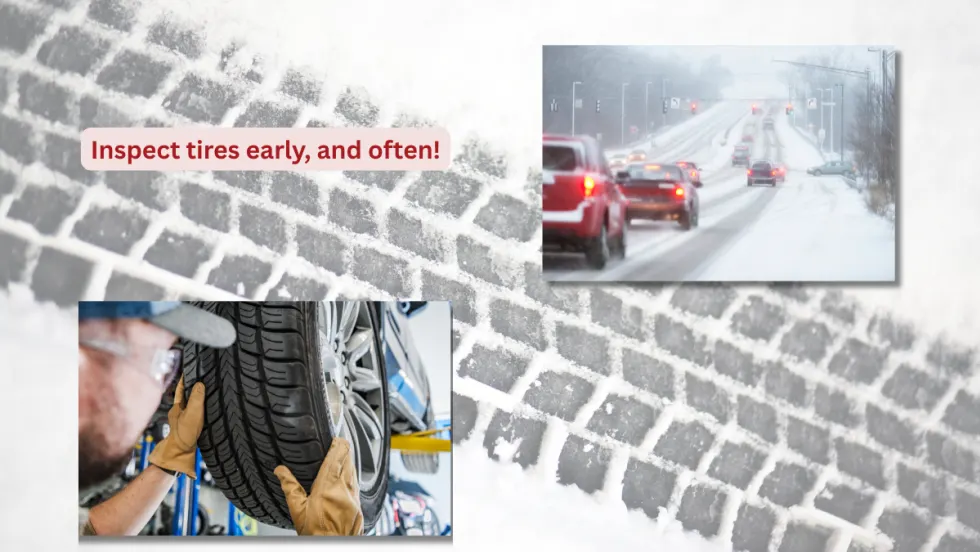
Fleet Managers Share Winter Prep Tips: It's Never Too Early!
Three fleets share best practices to prep vehicles for winter and prevent downtime when the cold sets in.
Read More →