




Toyota Disputes Electronic Defect Claims
The presentation, held at Toyota's North American headquarters in Torrance, Calif., sought to discredit the research conclusions of Southern Illinois University-Carbondale Professor David Gilbert.
Toyota Motor Corp. assembled a group of automotive experts Monday for a press conference to dispute claims that faulty electronics are to blame for episodes of sudden acceleration, the Associated Press reported.
The presentation, held at Toyota's North American headquarters in Torrance, Calif., sought to discredit the research conclusions of Southern Illinois University-Carbondale Professor David Gilbert.
Gilbert has claimed publicly that by connecting two wires in the electronic throttle system of a Toyota car, he was able to create a small short and produce unintended acceleration. He said he accomplished this without producing any trouble codes in the car's computer system or sending the car's computer into a fail-safe mode that allows the brakes to override the gas pedal.
During Congressional testimony, Gilbert called into question Toyota's explanation that sudden-acceleration episodes in the automaker's vehicles have resulted from floor mat entrapment and sticking gas pedals - mechanical rather than electronic issues.
During the Toyota presentation Monday, the automotive experts on hand argued that Gilbert's experiments couldn't be recreated on a real road in the real world. They said the professor had shaved away insulation on wiring and connected wires that wouldn't touch.
Chris Gerdes, director of the Center for Automotive Research at Stanford University, concluded that Gilbert's findings contain "no evidence that I've seen to indicate that this situation is happening at all in the real world."
Matthew Schwall, an engineer from automotive research firm Exponent Inc., called Gilbert's research "unrealistic manipulation." Exponent prepared a 43-page study that serves as a rebuttal to Gilbert's research.
To illustrate their argument, Toyota representatives revved the engines of competitors' cars by connecting a circuit rigged up to the wiring of the gas pedals.
Advocates of both sides of the controversy - those who blame mechanical issues and those who blame the electronics - have accused each other of conducting biased research. Through a university spokesman, Gilbert told the Los Angeles Times he stands by his research.
More Small Fleet


Developing Budget-Friendly Driver Safety Programs
From driver training and safety meetings to one-on-one coaching and incentive programs, several small fleets share how they have developed a safety culture with their drivers using low- to no-cost resources.
Read More →
Boosting Last-Mile Fleet Uptime, Safety, and Value with AI Vehicle Inspections
AI-powered inspections are transforming last-mile fleets by replacing manual checks with highly accurate automated scans that detect defects in seconds. By giving fleet operations visibility into the daily condition of their vehicles, you can identify trends over the vehicle’s lifecycle that enable improved procurement decisions, route management, driver training and accountability.
Read More →

Five Ways Seat Belts Help Prevent Injuries
There are five ways seat belts protect occupants from injuries, according to the Tennessee Department of Safety and Homeland Security.
Read More →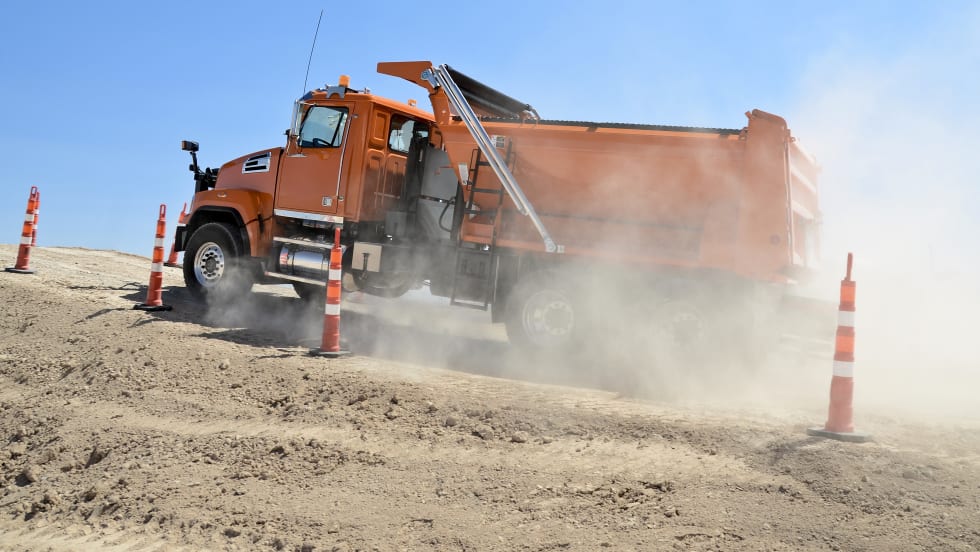
Basic Tracking vs Next Generation Fleet Technology
Fleet software is getting more sophisticated and effective than ever, tying big data models together to transform maintenance, safety, and the value of your existing tech stack. Fleet technology upgrades are undoubtedly an investment, but updated technology can offer a much higher return. Read how upgrading your fleet technology can increase the return on your investment.
Read More →
It’s here: The 2026 Fleet Technology Trends Report
What does AI mean for fleets? Get the answer — and learn other top tech trends.
Read More →
Small Fleets, Big Impact: How Independent Drivers Power Wreaths Across America
Check out how small fleets and independent drivers power Wreaths Across America each December and why their impact matters more than ever.
Read More →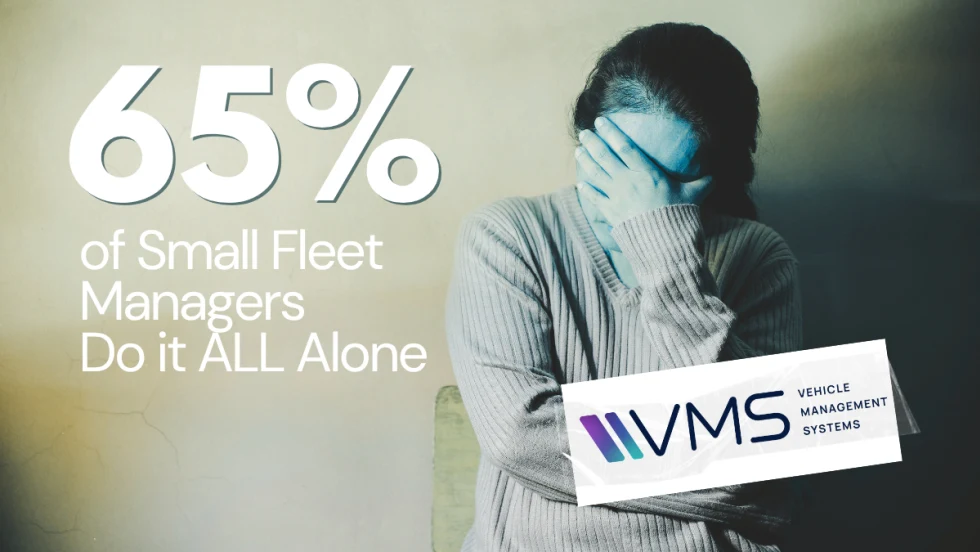
VMS Survey Finds 65% of Small Fleet Managers Run Operations Alone
A new VMS survey shows small fleet managers are stretched thin, with most handling operations solo and eager to adopt digital tools for relief.
Read More →
Tips for Driving Safely on Halloween Night
This video features a reminder from the Connecticut Department of Transportation (DOT) and the Connecticut Police Chiefs Association, urging drivers to prioritize safety this Halloween.
Read More →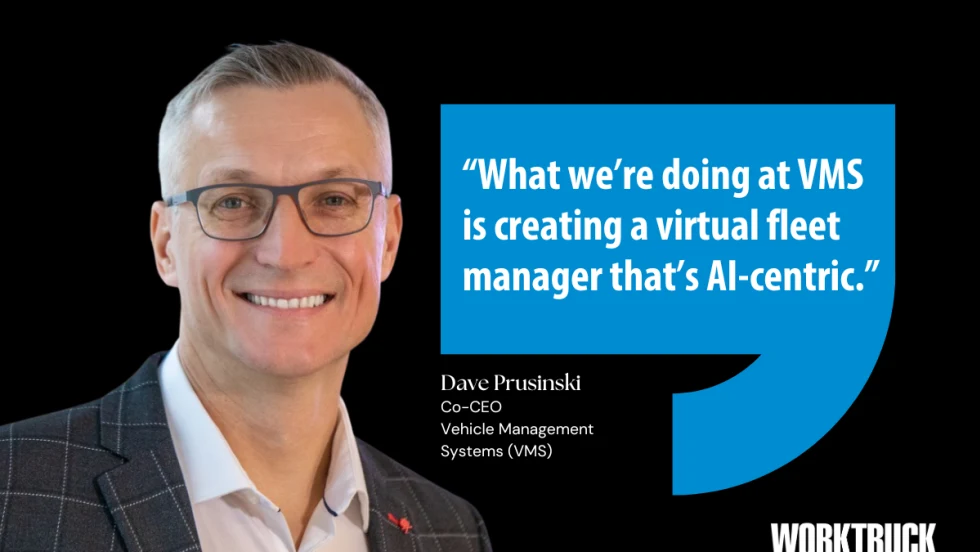
AI, Access, and Uptime: VMS’s Next Chapter with David Prusinski
VMS’s new Co-CEO, David Prusinski, shares how an AI-first approach will give small fleets and repair shops the tools to compete like big players.
Read More →