




Toyota Device Aims to Avoid Rear Crashes
Pre-collision system adjusts headrests, flashes hazard lights if impending crash is detected.
Toyota Motor Corp. says it has developed a system for detecting rear-end collisions before they happen, part of its Integrated Safety Management Concept that combines several new safety technologies. The pre-collision system consists of a radar device installed in the rear bumper that detects a vehicle approaching from behind. Sensors in the front headrests detect the position of the driver's and front passenger's heads, and shift the headrests' position to reduce the risk of whiplash injury. Hazard lights also start flashing to warn the driver of a possible crash from behind. Toyota President Katsuaki Watanabe said a sophisticated computer like "a human brain" will be installed in the new Lexus LS460 luxury model going on sale in Japan in September with safety features such as the rear-end pre-crash system. Another new safety feature developed by Toyota detects pedestrians or oncoming cars and other obstacles in front of the vehicle. The system uses a newly developed stereo camera that can detect information on three-dimensional objects. When the system detects a pedestrian or other object in front of the car, the seatbelts retract. If the driver fails to brake, pre-crash brakes kick in to reduce speed. Other systems in the Integrated Safety Management Concept include a Lane Departure Warning, Parking Assist, Blind Corner Monitor, Radar Cruise Control and VDIM Brake Assist.
More Small Fleet

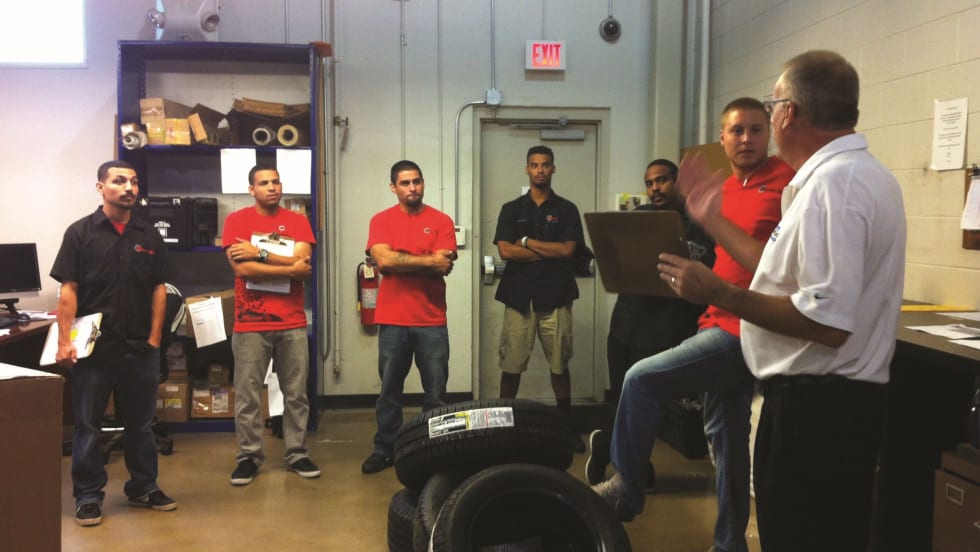
Developing Budget-Friendly Driver Safety Programs
From driver training and safety meetings to one-on-one coaching and incentive programs, several small fleets share how they have developed a safety culture with their drivers using low- to no-cost resources.
Read More →
Boosting Last-Mile Fleet Uptime, Safety, and Value with AI Vehicle Inspections
AI-powered inspections are transforming last-mile fleets by replacing manual checks with highly accurate automated scans that detect defects in seconds. By giving fleet operations visibility into the daily condition of their vehicles, you can identify trends over the vehicle’s lifecycle that enable improved procurement decisions, route management, driver training and accountability.
Read More →
Five Ways Seat Belts Help Prevent Injuries
There are five ways seat belts protect occupants from injuries, according to the Tennessee Department of Safety and Homeland Security.
Read More →
It’s here: The 2026 Fleet Technology Trends Report
What does AI mean for fleets? Get the answer — and learn other top tech trends.
Read More →
Small Fleets, Big Impact: How Independent Drivers Power Wreaths Across America
Check out how small fleets and independent drivers power Wreaths Across America each December and why their impact matters more than ever.
Read More →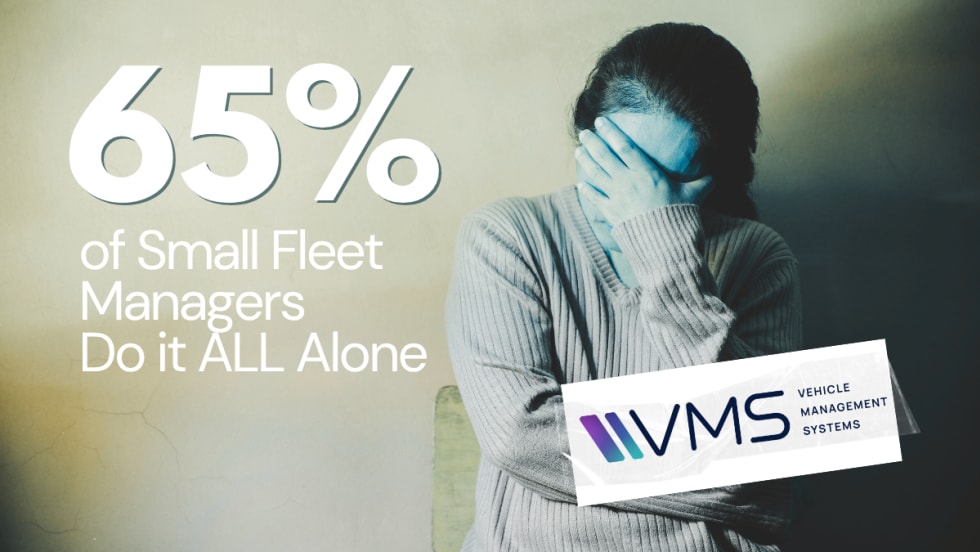
VMS Survey Finds 65% of Small Fleet Managers Run Operations Alone
A new VMS survey shows small fleet managers are stretched thin, with most handling operations solo and eager to adopt digital tools for relief.
Read More →
Tips for Driving Safely on Halloween Night
This video features a reminder from the Connecticut Department of Transportation (DOT) and the Connecticut Police Chiefs Association, urging drivers to prioritize safety this Halloween.
Read More →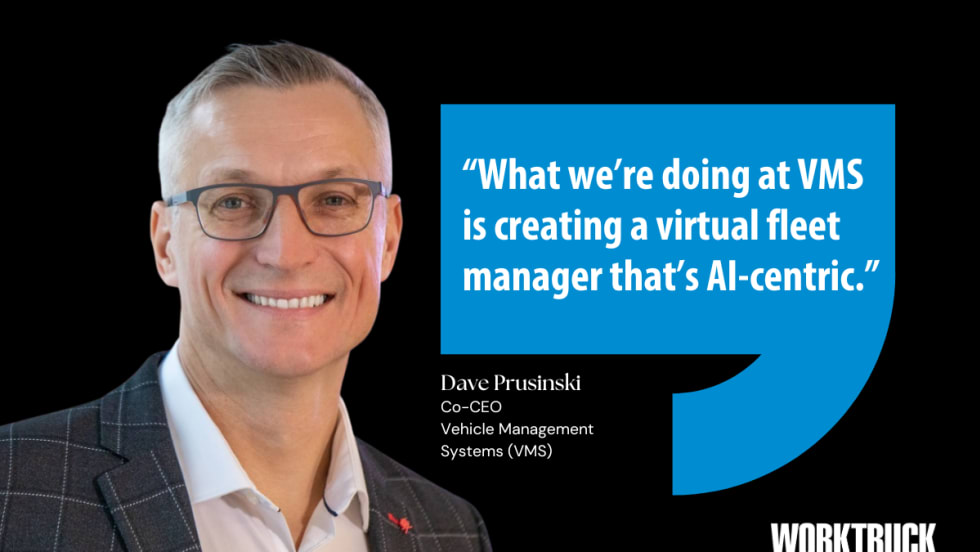
AI, Access, and Uptime: VMS’s Next Chapter with David Prusinski
VMS’s new Co-CEO, David Prusinski, shares how an AI-first approach will give small fleets and repair shops the tools to compete like big players.
Read More →
Fleet Managers Share Winter Prep Tips: It's Never Too Early!
Three fleets share best practices to prep vehicles for winter and prevent downtime when the cold sets in.
Read More →