




Tips on Using and Caring for Your Torque Wrench
A torque wrench is a precision instrument designed to apply a specific amount of force to a fastener.
A torque wrench is a precision instrument designed to apply a specific amount of force to a fastener. Whether tightening head bolts on an automobile engine, lugs for tire and rim installation or inspecting fastener tolerances on high-performance equipment, it is extremely important that proper care is used. Guidelines are typically provided noting acceptable torque ranges, the order in which specific fasteners are tightened and the number of times a fastener must be tightened and loosened to ensure uniform torque application. Failure to properly torque fasteners can lead to equipment damage, personal injury or worse. With proper care, a high-quality torque wrench should provide accurate measurements for many years.
Snap-on Tools provides these acceptable maintenance and use practices, which are important to follow:
Safety glasses or goggles should be worn at all times when using any hand tool.
Always follow the manufacturer’s directions regarding torque direction, proper force, torque pattern/sequence, use or non-use of lubrication on fasteners and torque “tighten/release” cycles.
Do not exceed the recommended working range of the torque wrench. Reliable measurements are based on a percentage of the working range. In general, most mechanical wrenches have a useable range from 20 percent to 100 percent of full scale. Most electronic wrenches have a useable range from 10 percent to 100 percent of full scale.
Do not use accessories or handle extensions unless specifically allowed by the torque wrench manufacturer.
Take time to inspect the tool and check for worn or cracked sockets. Properly lubricate and replace worn parts.
Avoid dropping or sliding a torque wrench. Dropping a torque wrench on a hard surface can cause the instrument to lose reliable calibration. If you suspect that a wrench has been dropped, have the tool inspected by the manufacturer or reputable calibration service.
Always store a torque wrench in a protective case and/or location when not in use.
Avoid exposure to temperature extremes, high humidity, fluid immersion and corrosive environments.
If using a click-type torque wrench, always store it at the lowest level on the scale.
Avoid marking, etching or placing labels on torque wrenches.
Use a torque wrench to apply a specific torque value during the final assembly process. Do not use a torque wrench as the primary means of tightening or loosening fasteners.
As most torque wrenches are length specific, always grasp the torque wrench in the center of the handle. If two hands need to be used, place one hand on top of the other.
Apply torque in a slow, methodical manner and avoid sudden, “jerking” movements.
When the wrench signals (by clicking, beeping or lights) that a specific torque has been reached, stop pulling immediately.
After 5,000 cycles or up to one year of use, whichever comes first, have your torque wrench inspected and recalibrated by the manufacturer or reputable calibration service.
More Maintenance & Uptime
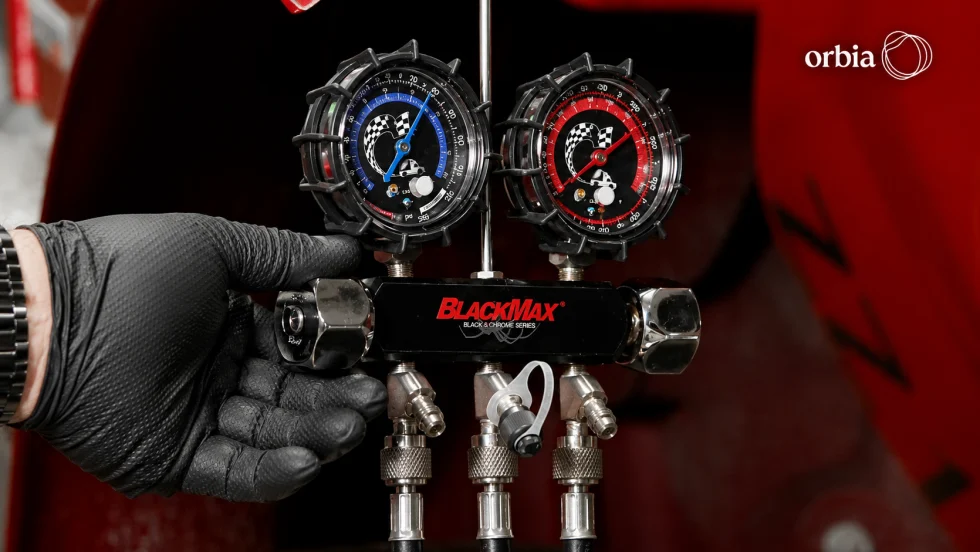
The Lost Art of Refrigerant Recovery
As new A/C refrigerants enter the market, fleet shops may already have many of the tools they need to service them. Here’s why revisiting basic refrigerant service skills could save equipment costs and get trucks back on the road faster.
Read More →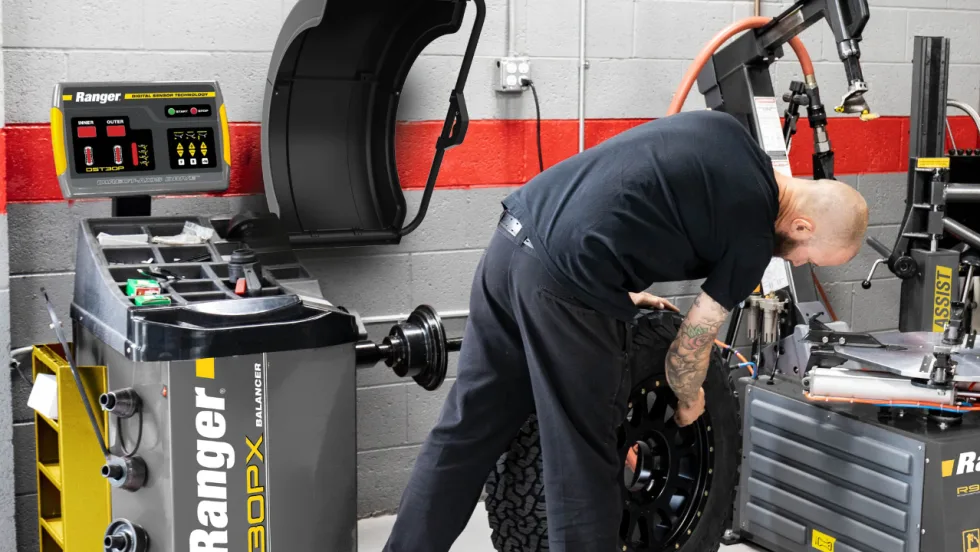
BendPak Launches Ranger DST30PX Balancer for Large Wheel Service
The new DST30PX Professional Wheel Balancer from Ranger Division of BendPak smoothly handles tires up to 43 inches with precision and accuracy.
Read More →
Kooner and Global Partners Connect Mobile Fleet Maintenance and Fueling Services
A new referral partnership connects on-site fueling and maintenance services, with a focus on reducing off-site trips and making better use of fleet downtime.
Read More →From Our Partners
How JASPER Keeps Fleets Moving and Profitable
Sponsored by Jasper Engines & Transmissions
Basic Tracking vs Next Generation Fleet Technology
Sponsored by AT&T Business
5 Facts Every Fleet Manager Should Know About Embedded Telematics
Sponsored by Stellantis/Mobilisights

How AI Video Telematics Boosts Driver Safety and Helps to Avoid Unnecessary Costs
Sponsored by Verizon Connect

Charting the 8 Bottom-Line Benefits of Workforce Optimization
Sponsored by Verizon Connect

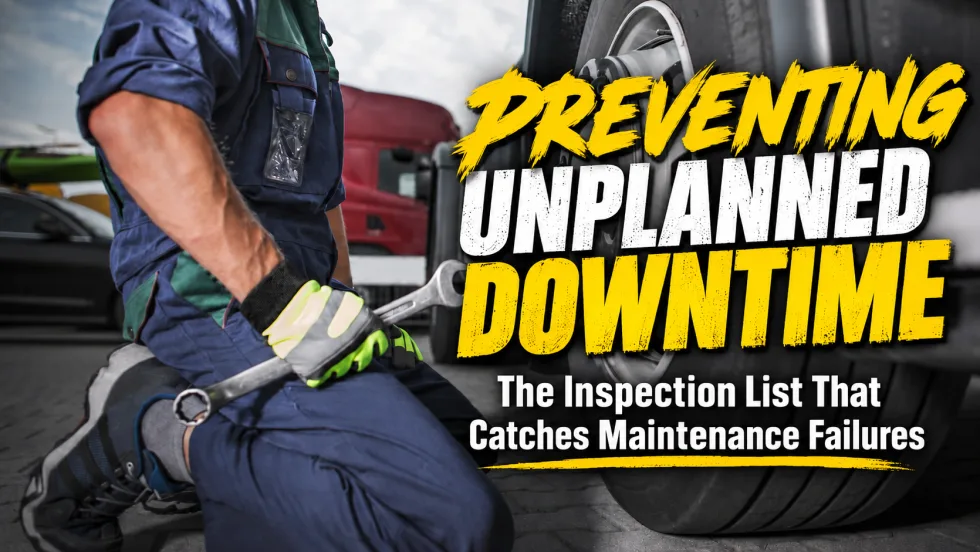
Maintenance Failures That Sideline Work Trucks and the Inspection List That Catches Them Early
Unplanned downtime hurts efficiency and even profitability for work truck fleets, but catching potential problems early can help prevent it. Here is an inspection list that can help potentially prevent that downtime.
Read More →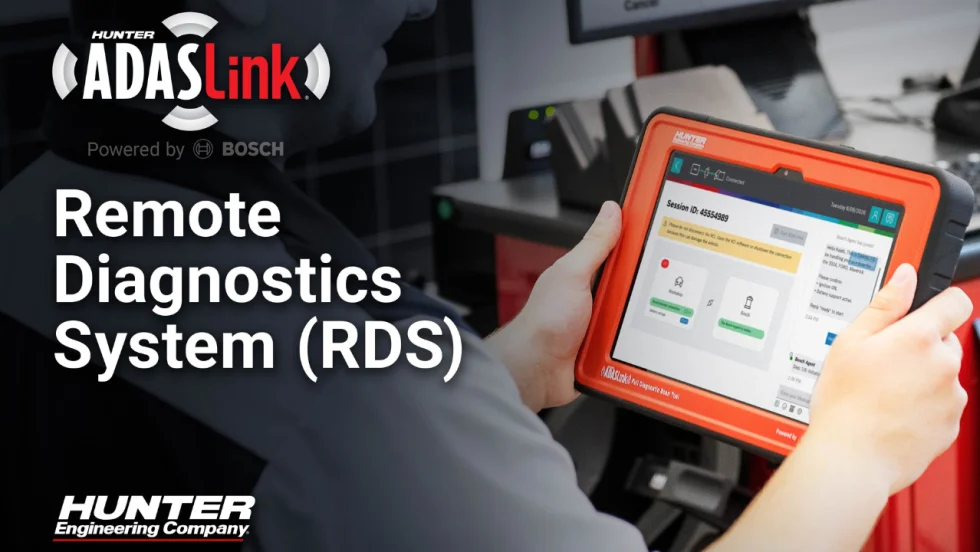
Hunter Engineering Enters Collaborates with Bosch for Remote Diagnostics Service Through ADASLink
Hunter Engineering’s collaboration with Bosch enables ADASLink to connect directly with Bosch diagnostic experts through an integrated remote support platform, allowing shops to service more vehicles.
Read More →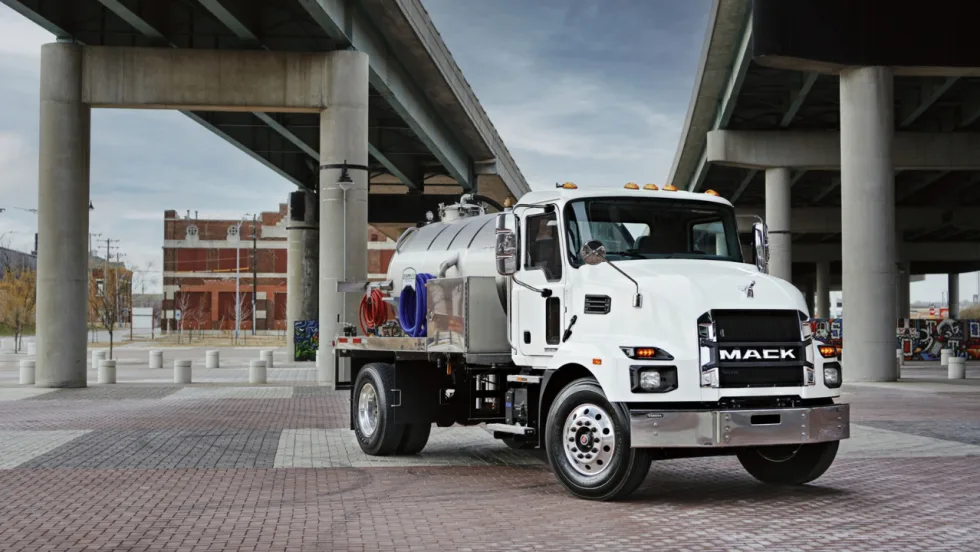
Mack Adds Chassis Coverage Options for Fleet Repair Costs
Mack Trucks introduced four system-specific chassis coverage plans, giving fleets more flexibility to manage repair costs for driveline, HVAC, electronics, safety systems, and other components.
Read More →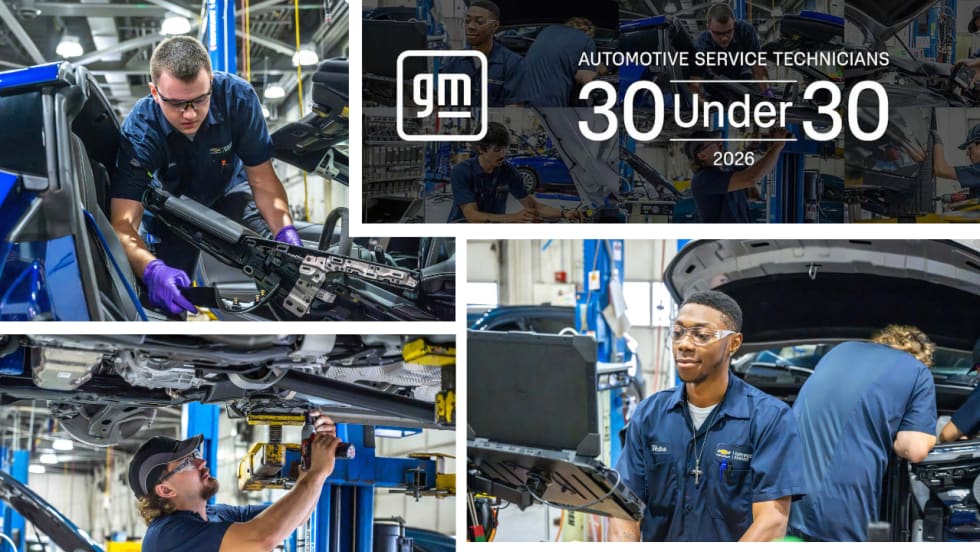
GM Launches ‘30 Under 30’ Program to Elevate Automotive Service Technicians and Inspire the Next Generation
The GM Automotive Service Technicians 30 Under 30 program honors GM service technicians under the age of 30 who demonstrate continuous technical training, exemplary customer service, mentorship, and leadership.
Read More →
Kooner Fleet Management Solutions Named Exclusive On-Site Fleet Maintenance Provider for Safe Truck Parking
A strategic partnership between Kooner Fleet Management Solutions and Safe Truck Parking brings mobile maintenance and 24/7 repair services directly to Safe Truck Parking locations, beginning in San Diego, California, with nationwide expansion planned.
Read More →
Building a Better Vehicle Replacement Model
Meter readings still matter, but engine hours, idle time, maintenance trends, and utilization can help fleets spot costly vehicles before the odometer does.
Read More →
How JASPER Keeps Fleets Moving and Profitable
Every business decision within fleet management ultimately comes down to financial performance. Investing in dependable replacement powertrain components and responsive support can measurably impact the bottom line.
Read More →