




Third of 2015 Models Lack Spare Tire
AAA is urging automakers to ensure that all models come with a spare tire, arguing that inflator kits are an inadequate alternative.
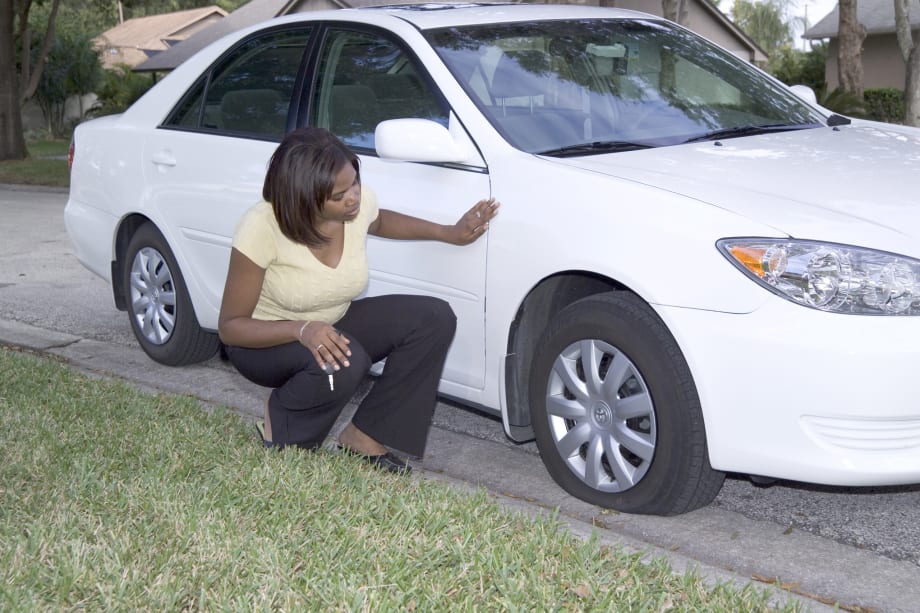
Photo courtesy of AAA.
Photo courtesy of AAA.
Approximately 36 percent of 2015 model-year vehicles sold lack a spare tire, leaving millions of drivers “vulnerable at the roadside” if one of their tires goes flat, AAA said.
Tire inflator kits have replaced the spare tire in millions of vehicles over the past 10 model years, but their limited functionality fails to provide “even a temporary fix for many common tire-related problems,” AAA said.
For comparison, only 5 percent of 2006 model-year vehicles sold lacked a spare tire. More than 29 million vehicles sold in the past 10 model years are missing a spare tire, according to AAA researchers. The organization is calling on automakers to reverse the growing trend and ensure that all new vehicle models include a spare tire.
“Flat tires are not a disappearing problem, but spare tires are,” said John Nielsen, AAA’s managing director of automotive engineering and repair. “AAA responds to more than 4 million calls for flat tire assistance annually and, despite advances in vehicle technology, we have not seen a decline in tire-related calls over the last five years.”
AAA acknowledged that a 4-pound inflator kit eliminates approximately 30 pounds of spare tire weight, resulting in a small savings in fuel consumption. But the organization argued that some kits cost up to $300 per use.
As a result, a tire inflator kit replacement can cost vehicle owners up to 10 times more than a simple tire repair. Additionally, the kit has a shelf life of only four to eight years, AAA said.
“Automakers are facing increasingly stringent fuel economy standards and the spare tire has become a casualty in an effort to reduce weight and boost miles-per-gallon,” Nielsen said. “Advances in automotive engineering allow for weight to be reduced in ways that don’t leave motorists stranded at the roadside.”
AAA tested the most common tire inflator kits in today’s vehicles and found that the units worked well in some scenarios. However, they failed to be an adequate substitute for a spare tire, researchers said.
For an inflator kit to work effectively, the tire must be punctured in the tread surface and the object must remain in the tire. Used correctly, the kit then coats the inner wall of the tire with a sealant and a compressor re-inflates the tire. If the puncture-causing object is no longer in the tire, a sidewall is damaged or a blowout occurs, a tire inflator kit cannot remedy the situation and the vehicle will require a tow.
Knowing how to change a tire is a skill that’s less prevalent among younger age groups, AAA acknowledged. More than one in five millennial drivers (ages 18-34) don’t know how to change a tire, compared to the nearly 90 percent of drivers ages 35-54.
Gender differences also exist. While nearly all men (97 percent) claim to know how to change a tire, only 68 percent of women boast the same ability, AAA researchers said.
“Consumers may mistakenly believe that inflator kits are a one-size-fits-all alternative to installing a spare tire,” Nielsen said. “The reality is these kits can accommodate specific types of tire damage, but having the option to install a spare tire can save stranded drivers time and money.”
Originally posted on Automotive Fleet
More Small Fleet


Developing Budget-Friendly Driver Safety Programs
From driver training and safety meetings to one-on-one coaching and incentive programs, several small fleets share how they have developed a safety culture with their drivers using low- to no-cost resources.
Read More →
Boosting Last-Mile Fleet Uptime, Safety, and Value with AI Vehicle Inspections
AI-powered inspections are transforming last-mile fleets by replacing manual checks with highly accurate automated scans that detect defects in seconds. By giving fleet operations visibility into the daily condition of their vehicles, you can identify trends over the vehicle’s lifecycle that enable improved procurement decisions, route management, driver training and accountability.
Read More →
Five Ways Seat Belts Help Prevent Injuries
There are five ways seat belts protect occupants from injuries, according to the Tennessee Department of Safety and Homeland Security.
Read More →
It’s here: The 2026 Fleet Technology Trends Report
What does AI mean for fleets? Get the answer — and learn other top tech trends.
Read More →
Small Fleets, Big Impact: How Independent Drivers Power Wreaths Across America
Check out how small fleets and independent drivers power Wreaths Across America each December and why their impact matters more than ever.
Read More →
VMS Survey Finds 65% of Small Fleet Managers Run Operations Alone
A new VMS survey shows small fleet managers are stretched thin, with most handling operations solo and eager to adopt digital tools for relief.
Read More →
Tips for Driving Safely on Halloween Night
This video features a reminder from the Connecticut Department of Transportation (DOT) and the Connecticut Police Chiefs Association, urging drivers to prioritize safety this Halloween.
Read More →
AI, Access, and Uptime: VMS’s Next Chapter with David Prusinski
VMS’s new Co-CEO, David Prusinski, shares how an AI-first approach will give small fleets and repair shops the tools to compete like big players.
Read More →
Fleet Managers Share Winter Prep Tips: It's Never Too Early!
Three fleets share best practices to prep vehicles for winter and prevent downtime when the cold sets in.
Read More →