




That Cell Phone Call Could Cost You $30 Million
More businesses are considering banning their employees from talking on cell phones while driving, in order to protect themselves from lawsuits if an employee hits someone while making a business call, according to Lawyers Weekly USA, a national newspaper for small law firms. A law firm is currently being sued in Virginia for $30 million because a lawyer talking on a cell phone struck and killed a teenager walking along a road, the legal newspaper reports. "More companies are telling their employees to not talk on the phone and drive," said Tom Harrison, publisher of Lawyers Weekly USA. "As the number of mobile phones goes up, so are the accidents, and businesses could really become targets for their employees' actions while talking and driving. Recent statistics and studies show people using a cell phone are a danger behind the wheel because their focus is not totally on driving. If an innocent person gets hurt and a cell phone user is driving, a jury could reach out and wring the employee's company financially." More than 90 percent of Americans consider cell phones dangerous while driving, and 69 percent favor banning them in the car, according to statistics in the Lawyers Weekly USA article, which was published in the newspaper's Aug. 20-27 edition and on its Web site, www.lawyersweeklyusa.com. New York recently became the first state to ban handheld cell phones while driving. At least 44 other states and a number of municipalities are considering similar bans, according to the legal newspaper. "There's a stereotype of hotshot lawyers and executives blabbing on their cell phones and not caring about other people," Harrison said. "That's the kind of thing that could make a jury really angry. Increasingly, law firms and other businesses are getting scared of this and telling their employees to be more careful."
More Small Fleet

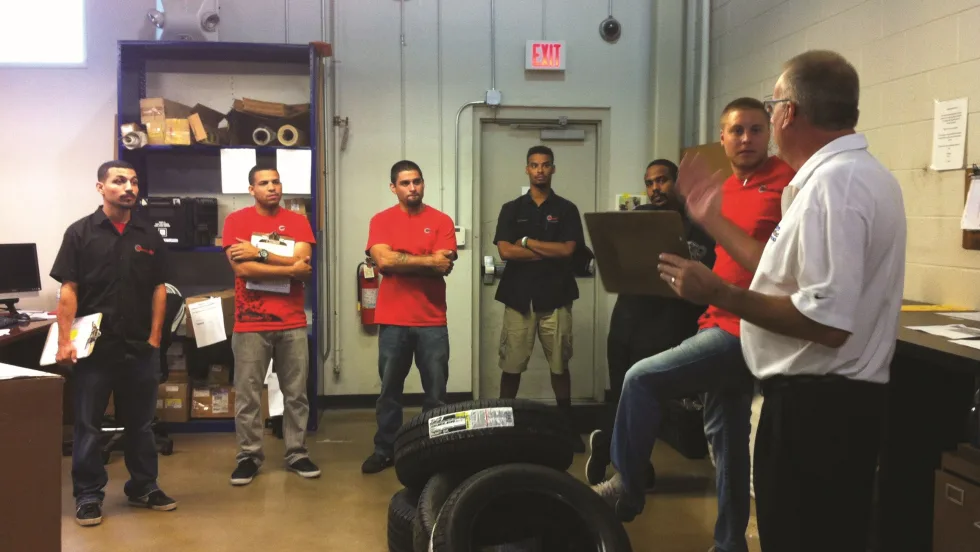
Developing Budget-Friendly Driver Safety Programs
From driver training and safety meetings to one-on-one coaching and incentive programs, several small fleets share how they have developed a safety culture with their drivers using low- to no-cost resources.
Read More →
Boosting Last-Mile Fleet Uptime, Safety, and Value with AI Vehicle Inspections
AI-powered inspections are transforming last-mile fleets by replacing manual checks with highly accurate automated scans that detect defects in seconds. By giving fleet operations visibility into the daily condition of their vehicles, you can identify trends over the vehicle’s lifecycle that enable improved procurement decisions, route management, driver training and accountability.
Read More →
Five Ways Seat Belts Help Prevent Injuries
There are five ways seat belts protect occupants from injuries, according to the Tennessee Department of Safety and Homeland Security.
Read More →
It’s here: The 2026 Fleet Technology Trends Report
What does AI mean for fleets? Get the answer — and learn other top tech trends.
Read More →
Small Fleets, Big Impact: How Independent Drivers Power Wreaths Across America
Check out how small fleets and independent drivers power Wreaths Across America each December and why their impact matters more than ever.
Read More →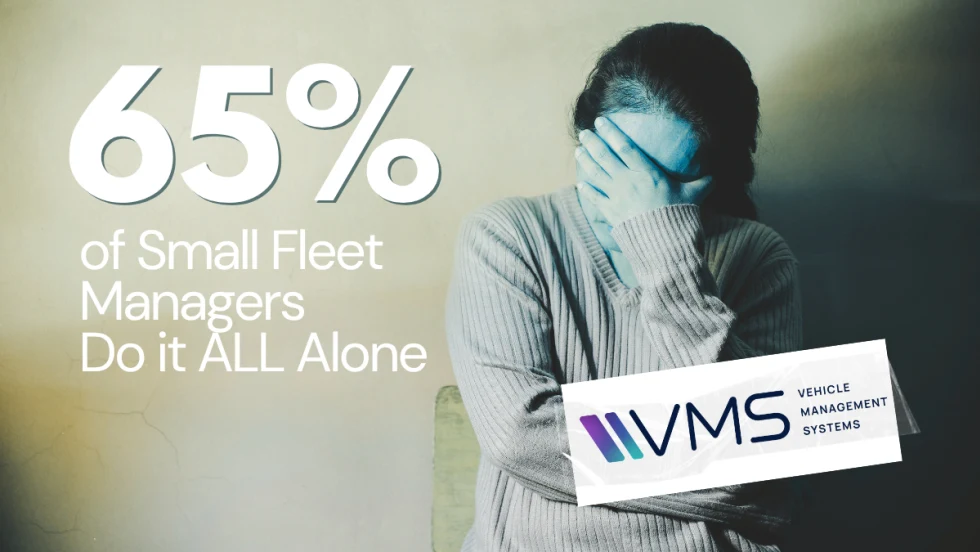
VMS Survey Finds 65% of Small Fleet Managers Run Operations Alone
A new VMS survey shows small fleet managers are stretched thin, with most handling operations solo and eager to adopt digital tools for relief.
Read More →
Tips for Driving Safely on Halloween Night
This video features a reminder from the Connecticut Department of Transportation (DOT) and the Connecticut Police Chiefs Association, urging drivers to prioritize safety this Halloween.
Read More →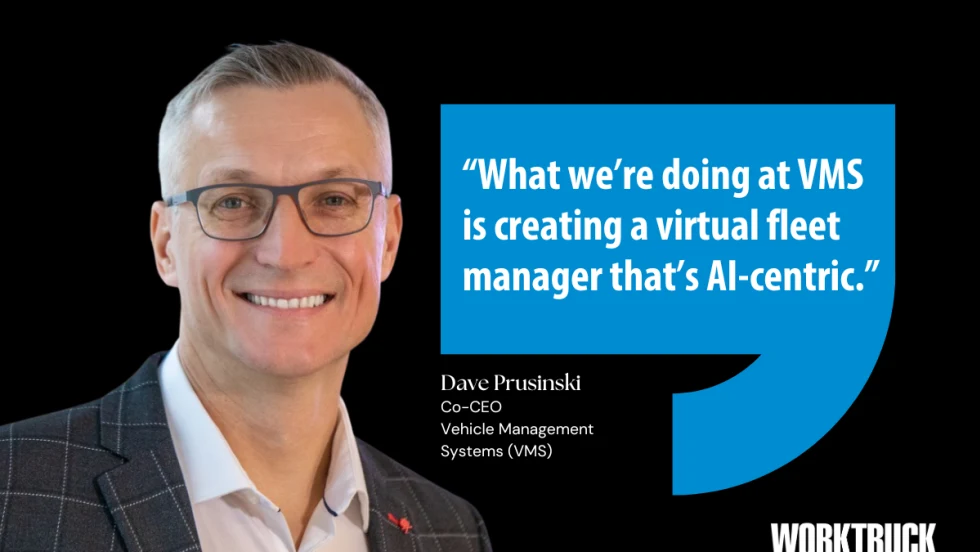
AI, Access, and Uptime: VMS’s Next Chapter with David Prusinski
VMS’s new Co-CEO, David Prusinski, shares how an AI-first approach will give small fleets and repair shops the tools to compete like big players.
Read More →
Fleet Managers Share Winter Prep Tips: It's Never Too Early!
Three fleets share best practices to prep vehicles for winter and prevent downtime when the cold sets in.
Read More →