




Telematics Will Create 'E-Vehicle Wonderland' by 2004: Roland Berger Study
Automotive telematics applications will influence most auto electronics, creating "an e-vehicle wonderland" by 2004, according to a new global study by Roland Berger Strategy Consultants.
Automotive telematics applications will influence most auto electronics, creating "an e-vehicle wonderland" by 2004, according to a new global study by Roland Berger Strategy Consultants.
A wide variety of powerful players will engage on the telematics battlefield, according to the study, which predicts that automotive telematics subscribers in the U.S. will grow from about 820,000 today to more than 11 million subscribers by 2004.
The perfection of the human/machine interface in vehicles, however, is crucial to that growth, the study notes. Banking and shopping from the car will account for the greatest share of applications, in addition to the obvious voice communications use of mobile telephones, according to the report.
The report, available in November 2000 from Roland Berger, is an outgrowth of a previous Berger study of the overall automotive electronics market worldwide which was released last February.
"Our earlier study predicted that automotive electronics applications would grow much faster than the automotive market generally," said Michael M. Heidingsfelder, partner and executive vice president of Roland Berger at the company's Detroit office.
"That dramatic growth was, in effect, the first electronics revolution in autos, and the surge in telematics is the second revolution," Heidingsfelder said.
"Now it's becoming clear that telematics will lead the electronics systems growth parade, and that consumer demand will drive the creation of an incredible array of e-vehicle features," he said. "Our study shows that telematics will influence powertrain, chassis, safety, security, infotainment and interface display systems."
According to the global Roland Berger study, the e-vehicle wonderland of tomorrow will provide a broad range of services to the driver and passengers such as:
* Mobile office features like e-mail, Internet access and telephone
* Mobile commerce features such as shopping and banking
* Traffic and navigation information including dynamic navigation
* Information services
* Emergency and safety features such as remote diagnostics.
Audio, TV/video and computer games, and -- down the road -- intelligent driving features such as braking by GPS (global positioning system), are candidate functions as well. Recent transportation studies have shown that average time spent in vehicles -- as both driver and passenger -- totals some 540 hours per year in the U.S. and 270 hours per year in Eruope, representing (in the U.S.) some nine percent of day-time available.
The size of the telematics market and its rate of growth, however, will be strongly affected by legislation and regulations affecting cell phone use in moving vehicles, the study noted. By mid-2005, for example, estimates of the size of the U.S. market range from about $3 billion up to $13.4 billion -- depending on the effects of legislation and industry self-regulation to reduce accidents caused by distractions (today about 25 percent of crashes, according to the National Highway Transportation and Safety Administration).
In the U.S., NHTSA has already launched a major investigation into cell phone usage while driving. In Europe, 95 percent of countries enforce hands-free use of cell phones, and in Portugal, drivers are forbidden to use car phones at all while driving.
In early October, Suffolk County, N.Y., just minutes from New York City, banned talking on cell phones in moving autos, with a fine of $150 for violators. In order to protect the telematics market, the OEMS and suppliers must work quickly to perfect the critical human/machine interface, according to Heidingsfelder.
The target of the interface must be "keep your eyes on the road and your hands upon the wheel," as the old Doors song went.
To enable the e-vehicle and a "car portal" through which a myriad of features will be available, the study says, four technologies must converge:
1. A sharp increase in bandwidth for mobile data communication (surpassing 2,000 kbps by the middle of the decade)
2. Maturity of systems for voice recognition and text-voice conversion
3. Smart human/machine interface logic to guide the drive quickly and efficiently through the different menus and features
4. Global positioning system (GPS). According to the study, a central, integrated instrument panel will be developed that is customizable like a computer screen and can display information according to the needs and preferences of the driver.
More Small Fleet


Developing Budget-Friendly Driver Safety Programs
From driver training and safety meetings to one-on-one coaching and incentive programs, several small fleets share how they have developed a safety culture with their drivers using low- to no-cost resources.
Read More →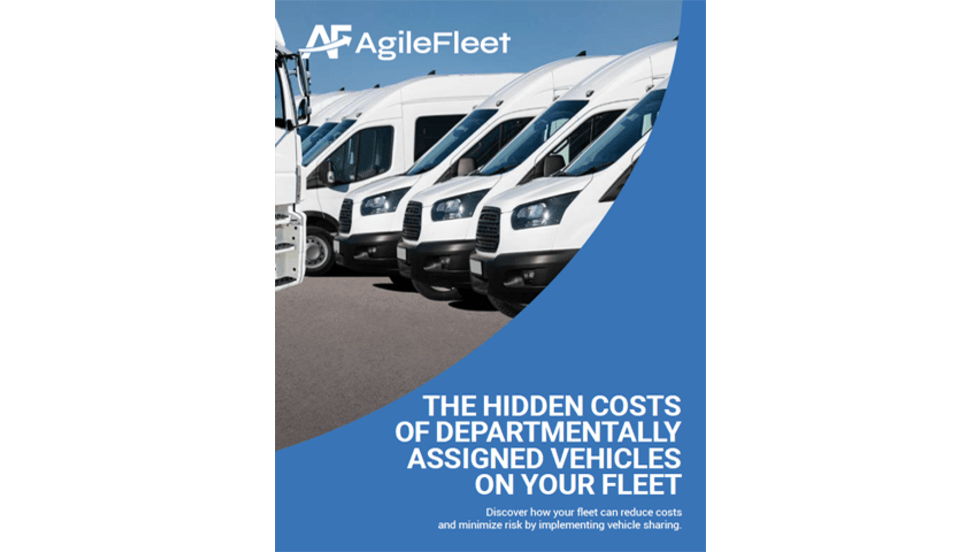
Why Fleet Managers Are Replacing Departmental Vehicles with Shared Motor Pools
Departmentally assigned vehicles often create hidden costs through underutilization, poor visibility, and increased administrative burden. This white paper explores how shared motor pool strategies help fleets reduce costs, improve accountability, and optimize vehicle utilization.
Read More →
Boosting Last-Mile Fleet Uptime, Safety, and Value with AI Vehicle Inspections
AI-powered inspections are transforming last-mile fleets by replacing manual checks with highly accurate automated scans that detect defects in seconds. By giving fleet operations visibility into the daily condition of their vehicles, you can identify trends over the vehicle’s lifecycle that enable improved procurement decisions, route management, driver training and accountability.
Read More →
Five Ways Seat Belts Help Prevent Injuries
There are five ways seat belts protect occupants from injuries, according to the Tennessee Department of Safety and Homeland Security.
Read More →
It’s here: The 2026 Fleet Technology Trends Report
What does AI mean for fleets? Get the answer — and learn other top tech trends.
Read More →
Small Fleets, Big Impact: How Independent Drivers Power Wreaths Across America
Check out how small fleets and independent drivers power Wreaths Across America each December and why their impact matters more than ever.
Read More →
VMS Survey Finds 65% of Small Fleet Managers Run Operations Alone
A new VMS survey shows small fleet managers are stretched thin, with most handling operations solo and eager to adopt digital tools for relief.
Read More →
Tips for Driving Safely on Halloween Night
This video features a reminder from the Connecticut Department of Transportation (DOT) and the Connecticut Police Chiefs Association, urging drivers to prioritize safety this Halloween.
Read More →
AI, Access, and Uptime: VMS’s Next Chapter with David Prusinski
VMS’s new Co-CEO, David Prusinski, shares how an AI-first approach will give small fleets and repair shops the tools to compete like big players.
Read More →