




Telematics Users Receive Emergency Roadside Help Sooner Than Those Using Conventional Methods
Drivers who use a telematics system -- an electronic concierge or in-vehicle personal communications system -- receive faster emergency roadside assistance when needed, according to results from the J.D. Power and Associates 2001 Emergency Roadside Assistance Study(SM) released Aug. 16. The study identifies that drivers calling for service using land-based telephone wait an average of 50 minutes for help to arrive. Cellular phone callers wait nearly as long, an average of 46 minutes, but drivers using an in-vehicle telematics system such as OnStar or Tele Aid wait only an average of 34 minutes for help to arrive. "For the first time, we are seeing early indications of how these systems produce a time-saving benefit. This brings the performance of manufacturer-sponsored roadside telematics programs into range with independent roadside assistance programs," said Dan Lawlor, senior analyst with J.D. Power and Associates. "This could eliminate a competitive advantage in service time currently enjoyed by independents such as AAA. Customer demand for personal assistance or concierge services is growing." The average response time of manufacturer-sponsored emergency roadside assistance programs is 48 minutes compared to 36 minutes among independent programs. In a separate report on automotive features and contenting, J.D. Power and Associates estimates that 30 percent of customers want an electronic concierge system in their next vehicle. Of those consumers surveyed for the study, virtually all (97 percent) used a telephone (land-based or cell) to call their provider when they need roadside assistance. There are currently only two major programs of this sort fully operational, General Motors’ OnStar and Mercedes-Benz’s Tele Aid. Several other manufacturers will begin offering similar services later this year and in 2002. The fastest arrival time among all providers of emergency roadside assistance is the American Automobile Association (AAA) at 35 minutes. Its performance this year is equal to that of last year. Cadillac has the shortest time among manufacturer programs. Cadillac Roadside Assistance Leads Industry in Customer Satisfaction Cadillac’s roadside assistance program achieves the top ranking with an overall performance score of 869 out of a possible 1000. Placing second this year at 842 is Mercedes-Benz program. Cadillac and Mercedes-Benz’s top rankings are due to a combination of conventional original equipment manufacturer emergency roadside assistance and dealer-operated roadside service functionality. Rounding out the top five are Emergency Road Service (838), United States Auto Club (828), and AAA (821). Nearly 8,000 owners of new vehicles who reported using a roadside assistance service or having a roadside assistance experience in the last 12 months responded to the survey. About J.D. Power and Associates Headquartered in Agoura Hills, Calif., J.D. Power and Associates is a global marketing information services firm operating in business sectors including market research, forecasting, consulting, training and customer satisfaction. The firm’s quality and satisfaction measurements are based on actual responses from millions of consumers annually. J.D. Power and Associates can be accessed through the Internet at www.jdpa.com.
More Small Fleet


Developing Budget-Friendly Driver Safety Programs
From driver training and safety meetings to one-on-one coaching and incentive programs, several small fleets share how they have developed a safety culture with their drivers using low- to no-cost resources.
Read More →
Boosting Last-Mile Fleet Uptime, Safety, and Value with AI Vehicle Inspections
AI-powered inspections are transforming last-mile fleets by replacing manual checks with highly accurate automated scans that detect defects in seconds. By giving fleet operations visibility into the daily condition of their vehicles, you can identify trends over the vehicle’s lifecycle that enable improved procurement decisions, route management, driver training and accountability.
Read More →

Five Ways Seat Belts Help Prevent Injuries
There are five ways seat belts protect occupants from injuries, according to the Tennessee Department of Safety and Homeland Security.
Read More →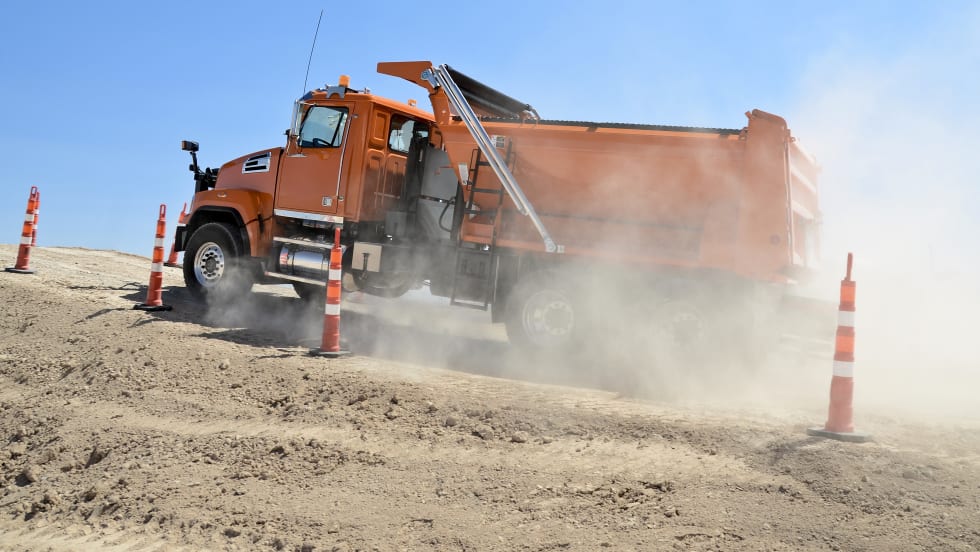
Basic Tracking vs Next Generation Fleet Technology
Fleet software is getting more sophisticated and effective than ever, tying big data models together to transform maintenance, safety, and the value of your existing tech stack. Fleet technology upgrades are undoubtedly an investment, but updated technology can offer a much higher return. Read how upgrading your fleet technology can increase the return on your investment.
Read More →
It’s here: The 2026 Fleet Technology Trends Report
What does AI mean for fleets? Get the answer — and learn other top tech trends.
Read More →
Small Fleets, Big Impact: How Independent Drivers Power Wreaths Across America
Check out how small fleets and independent drivers power Wreaths Across America each December and why their impact matters more than ever.
Read More →
VMS Survey Finds 65% of Small Fleet Managers Run Operations Alone
A new VMS survey shows small fleet managers are stretched thin, with most handling operations solo and eager to adopt digital tools for relief.
Read More →
Tips for Driving Safely on Halloween Night
This video features a reminder from the Connecticut Department of Transportation (DOT) and the Connecticut Police Chiefs Association, urging drivers to prioritize safety this Halloween.
Read More →
AI, Access, and Uptime: VMS’s Next Chapter with David Prusinski
VMS’s new Co-CEO, David Prusinski, shares how an AI-first approach will give small fleets and repair shops the tools to compete like big players.
Read More →