




SUVs Continue to Pull Market Share from Car Segments: J.D. Power Study
Upper midsize car buyers are now more than five times as likely to switch to a sport utility vehicle than they were two years ago, according to the inaugural Power Information Network (PIN) Market Assessment Study released April 24 by J.D. Power and Associates. "Although its market share is shrinking, the upper midsize car segment is still the dominant segment and includes some key of the most popular cars in the industry: Camry, Accord and Taurus," said Tom Libby, analyst and director of PIN consulting operations at J.D. Power and Associates. According to the study, part of the decline in the segment's market share is attributable to the general movement from cars to trucks. Yet, midsize cars have lost more customers than any other car segment. "A key ingredient in the industry is crossovers, which are for the most part a subset of sport utilities," Libby said. "There was only one crossover vehicle in 1997, but there are 18 on the market today. These vehicles, like the Lexus RX300, Acura MDX and Ford Escape, have car-like ride and handling along with the versatility and durability of trucks. Crossover appeal is hard to match." Upper midsize car buyers are the third oldest among the 19 buyer groups in the J.D. Power and Associates segmentation. Only buyers of basic large and traditional luxury cars are older, and van, pickup and SUV buyers all tend to have more children than midsize car buyers. According to the report, 45 percent of SUV buyers have two or more children. The average upper midsize car buyer is also less educated today than just a few years ago. In 1998 and 1999, more than 50 percent of upper midsize buyers had a college degree, but in 2000, that measure slipped below 50 percent. In 2000, all SUV buyers, on average, were more educated that the upper midsize customer. In addition, the average upper midsize buyer made less money in 2000 than the average new car buyer. "The decline of the upper midsize segment will continue," Libby said. "Our forecast indicates that sport utilities will replace midsize cars as the most popular vehicle in the country within the next five years." This is the first of five PIN Market Assessment studies that J.D. Power and Associates will release in 2001. In addition, each study will be updated with the most recent information every two months for the remainder of the year. PIN is a nation-wide electronic data collection network that gathers new vehicle transaction data from more than 5,000 participating auto retailers in 21 U.S. markets. The collected PIN data includes more than 200 details from each new vehicle transaction, such as actual transaction prices, rebates, incentives and customer demographics. These PIN Market Assessments break new ground for J.D. Power and Associates studies by combing information from all three of the firm's major automotive databases: PIN, customer satisfaction and product quality data and the firm's sales and forecasting data. "We've taken our syndicated studies and married them up with PIN data and our sales forecasts to create a rich picture of the industry," Libby said. About J.D. Power and Associates Headquartered in Agoura Hills, Calif., J.D. Power and Associates is a global marketing information services firm operating in key business sectors including market research, forecasting, consulting, training and customer satisfaction. The firm's quality and satisfaction measurements are based on actual customer responses from millions of consumers annually.
More Small Fleet


Developing Budget-Friendly Driver Safety Programs
From driver training and safety meetings to one-on-one coaching and incentive programs, several small fleets share how they have developed a safety culture with their drivers using low- to no-cost resources.
Read More →
Boosting Last-Mile Fleet Uptime, Safety, and Value with AI Vehicle Inspections
AI-powered inspections are transforming last-mile fleets by replacing manual checks with highly accurate automated scans that detect defects in seconds. By giving fleet operations visibility into the daily condition of their vehicles, you can identify trends over the vehicle’s lifecycle that enable improved procurement decisions, route management, driver training and accountability.
Read More →

Five Ways Seat Belts Help Prevent Injuries
There are five ways seat belts protect occupants from injuries, according to the Tennessee Department of Safety and Homeland Security.
Read More →
Basic Tracking vs Next Generation Fleet Technology
Fleet software is getting more sophisticated and effective than ever, tying big data models together to transform maintenance, safety, and the value of your existing tech stack. Fleet technology upgrades are undoubtedly an investment, but updated technology can offer a much higher return. Read how upgrading your fleet technology can increase the return on your investment.
Read More →
It’s here: The 2026 Fleet Technology Trends Report
What does AI mean for fleets? Get the answer — and learn other top tech trends.
Read More →
Small Fleets, Big Impact: How Independent Drivers Power Wreaths Across America
Check out how small fleets and independent drivers power Wreaths Across America each December and why their impact matters more than ever.
Read More →
VMS Survey Finds 65% of Small Fleet Managers Run Operations Alone
A new VMS survey shows small fleet managers are stretched thin, with most handling operations solo and eager to adopt digital tools for relief.
Read More →
Tips for Driving Safely on Halloween Night
This video features a reminder from the Connecticut Department of Transportation (DOT) and the Connecticut Police Chiefs Association, urging drivers to prioritize safety this Halloween.
Read More →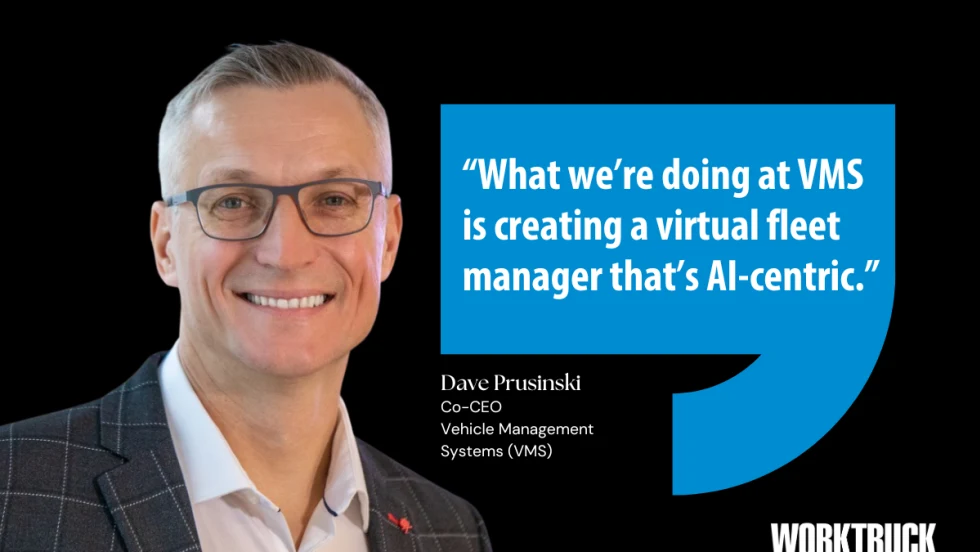
AI, Access, and Uptime: VMS’s Next Chapter with David Prusinski
VMS’s new Co-CEO, David Prusinski, shares how an AI-first approach will give small fleets and repair shops the tools to compete like big players.
Read More →