




Survey: Truck Driving Number One Back-Breaker
In a recent informal survey, members of the American Chiropractic Association (ACA) House of Delegates rated heavy truck driving as the job they considered the most “back breaking.” Constant compression and vibration in such trucks can damage the back. Prolonged sitting also puts pressure on the spine and can result in disc degeneration. Liquid-carrying trucks are particularly bad. When these trucks come to a sudden stop, fluid in the truck´s tank sloshes back and forth, and the driver feels the impact. And because professional truck drivers are always on the road, their diets are seldom what they should be, which can also contribute to back problems. Back pain accounts for approximately one-quarter of all lost or unproductive work. The nine runner-up jobs are: · Construction Worker — The job can involve hammering, lifting, steelwork, or ironwork — all in very awkward positions. · Landscaper — Landscaping may involve lots of heavy lifting. Wheelbarrows can twist and turn, wrenching workers´ backs when they attempt to “catch” a slipping wheelbarrow. · Police officer — Officers may sit in cars for long periods, which is rough on the lower back. When called into action, officers have to make sudden movements. Police officers also wear heavy belts (up to 40 pounds), a common cause of chronic back pain. · Farmer — Farmers lift heavy equipment and bags of feed and grain. When doing fieldwork, they must constantly turn backwards to watch equipment pulled behind a tractor. Depending on the equipment, dairy farmers have to either stand for long periods, or stand up and kneel down repeatedly. · Shingle roofer — The body is always at an angle, twisted, or in some awkward position. · Firefighter/EMT — They have to deal with fire and water pressure from hoses and chop obstacles down with an axe to get closer to the fire. They often have to carry people to safety, which can be particularly difficult if the victim is obese or incapacitated. · Delivery driver — They are always running, often carrying heavy and awkward packages. Packages shipped via the major ground carriers have increased in weight over the years. The job also involves a lot of driving, already cited as rough on the back. · Nursing home worker — They have to lift people into and out of bed. Workers´ bodies can become twisted and off-center. · Auto mechanic — They work in physically awkward positions all day (bending over cars, sliding under cars, etc.). Having to look up and back at the underside of cars also causes neck problems. · The ACA suggests the following to limit back strain: Maintain proper posture. Wear comfortable, low-heeled shoes. Alternate tasks that use different muscle groups. Take periodic stretch breaks. Lift with the knees, keep the object close to the body, and do not twist when lifting.
More Small Fleet


Developing Budget-Friendly Driver Safety Programs
From driver training and safety meetings to one-on-one coaching and incentive programs, several small fleets share how they have developed a safety culture with their drivers using low- to no-cost resources.
Read More →
Boosting Last-Mile Fleet Uptime, Safety, and Value with AI Vehicle Inspections
AI-powered inspections are transforming last-mile fleets by replacing manual checks with highly accurate automated scans that detect defects in seconds. By giving fleet operations visibility into the daily condition of their vehicles, you can identify trends over the vehicle’s lifecycle that enable improved procurement decisions, route management, driver training and accountability.
Read More →
Five Ways Seat Belts Help Prevent Injuries
There are five ways seat belts protect occupants from injuries, according to the Tennessee Department of Safety and Homeland Security.
Read More →
It’s here: The 2026 Fleet Technology Trends Report
What does AI mean for fleets? Get the answer — and learn other top tech trends.
Read More →
Small Fleets, Big Impact: How Independent Drivers Power Wreaths Across America
Check out how small fleets and independent drivers power Wreaths Across America each December and why their impact matters more than ever.
Read More →
VMS Survey Finds 65% of Small Fleet Managers Run Operations Alone
A new VMS survey shows small fleet managers are stretched thin, with most handling operations solo and eager to adopt digital tools for relief.
Read More →
Tips for Driving Safely on Halloween Night
This video features a reminder from the Connecticut Department of Transportation (DOT) and the Connecticut Police Chiefs Association, urging drivers to prioritize safety this Halloween.
Read More →
AI, Access, and Uptime: VMS’s Next Chapter with David Prusinski
VMS’s new Co-CEO, David Prusinski, shares how an AI-first approach will give small fleets and repair shops the tools to compete like big players.
Read More →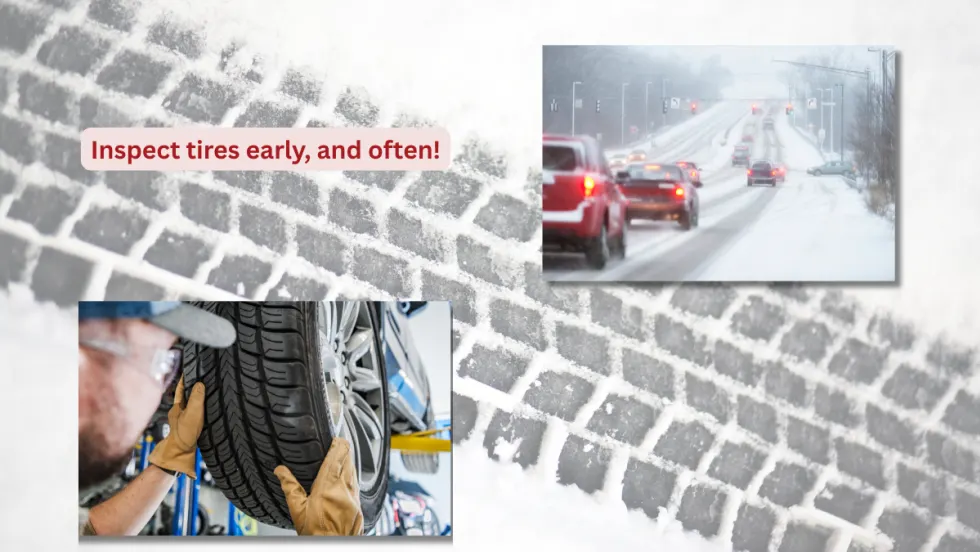
Fleet Managers Share Winter Prep Tips: It's Never Too Early!
Three fleets share best practices to prep vehicles for winter and prevent downtime when the cold sets in.
Read More →