




Survey Finds Bald, Under-inflated Tires Common
Federal highway officials are urging motorists to check their tires after finding that nearly one in 10 passenger vehicles has at least one bald tire.
The U.S. National Highway Traffic Safety Administration (NHTSA) released a study on November 30th which also found that 27 percent of vehicles are driven with one or more highly under-inflated tires.
"It is extremely important to motorists' safety that they ensure their tires have ample tread and are properly inflated," Transportation Secretary Norman Mineta said in a statement. "Motorists who drive on tires that are bald or substantially under-inflated risk injuries or fatalities."
Tire safety has become increasingly important and more publicized since the failure of Firestone tires linked to fatal rollover accidents in Ford Explorers.
NHTSA is launching a tire safety campaign based on the results of its study with the theme, "Tire Safety: Everything Rides On It."
"It is vitally important that motorists monitor tread depth to guard against tire failure and replace unsafe tires," said NHTSA's Administrator, Jeffrey Runge. "Checking tires is a crucial element in regular vehicle maintenance."
According to NHTSA, public service announcements will run on 2,000 radio stations throughout the country, as well as print ads in magazines and newspapers and more than 500,000 flyers given out at tire stores.
NHTSA says that a tire is considered bald if it has 1/16 of an inch or less of tread depth. Tires have built-in treadwear indicators-raised sections spaced in the bottom of the tread groves-that appear accross a tire to inform the motorist that the tire needs to be replaced. Another method for checking tread involves a penny. The driver should place a penny upside down in the tread. If the top of Lincoln's head is visible, the tire needs to be replaced.
According to NHTSA, tires should be inflated in accordance with vehicle maker's recommendations, found in the manual or on a sign in the glove compartment or on the driver's door. The analysis of tire wear was based on information gathered on 6,240 passenger cars during a 14-day period. Information was collected at service stations with the cooperation of drivers who stopped to re-fuel.
More Small Fleet


Developing Budget-Friendly Driver Safety Programs
From driver training and safety meetings to one-on-one coaching and incentive programs, several small fleets share how they have developed a safety culture with their drivers using low- to no-cost resources.
Read More →
Boosting Last-Mile Fleet Uptime, Safety, and Value with AI Vehicle Inspections
AI-powered inspections are transforming last-mile fleets by replacing manual checks with highly accurate automated scans that detect defects in seconds. By giving fleet operations visibility into the daily condition of their vehicles, you can identify trends over the vehicle’s lifecycle that enable improved procurement decisions, route management, driver training and accountability.
Read More →
Five Ways Seat Belts Help Prevent Injuries
There are five ways seat belts protect occupants from injuries, according to the Tennessee Department of Safety and Homeland Security.
Read More →
It’s here: The 2026 Fleet Technology Trends Report
What does AI mean for fleets? Get the answer — and learn other top tech trends.
Read More →
Small Fleets, Big Impact: How Independent Drivers Power Wreaths Across America
Check out how small fleets and independent drivers power Wreaths Across America each December and why their impact matters more than ever.
Read More →
VMS Survey Finds 65% of Small Fleet Managers Run Operations Alone
A new VMS survey shows small fleet managers are stretched thin, with most handling operations solo and eager to adopt digital tools for relief.
Read More →
Tips for Driving Safely on Halloween Night
This video features a reminder from the Connecticut Department of Transportation (DOT) and the Connecticut Police Chiefs Association, urging drivers to prioritize safety this Halloween.
Read More →
AI, Access, and Uptime: VMS’s Next Chapter with David Prusinski
VMS’s new Co-CEO, David Prusinski, shares how an AI-first approach will give small fleets and repair shops the tools to compete like big players.
Read More →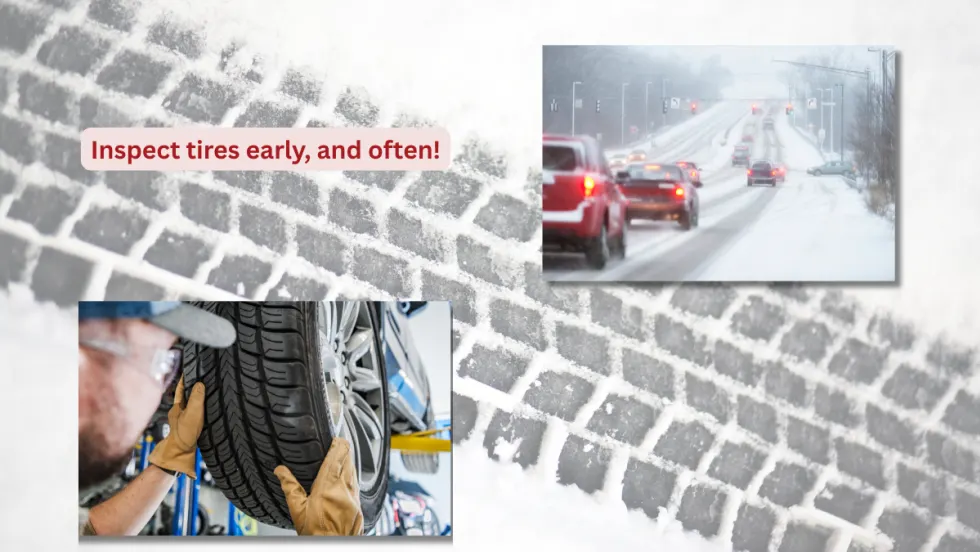
Fleet Managers Share Winter Prep Tips: It's Never Too Early!
Three fleets share best practices to prep vehicles for winter and prevent downtime when the cold sets in.
Read More →